


- by wangfred
New VR AR Headset Risks Being A Monument To Unchecked Ambition
- by wangfred
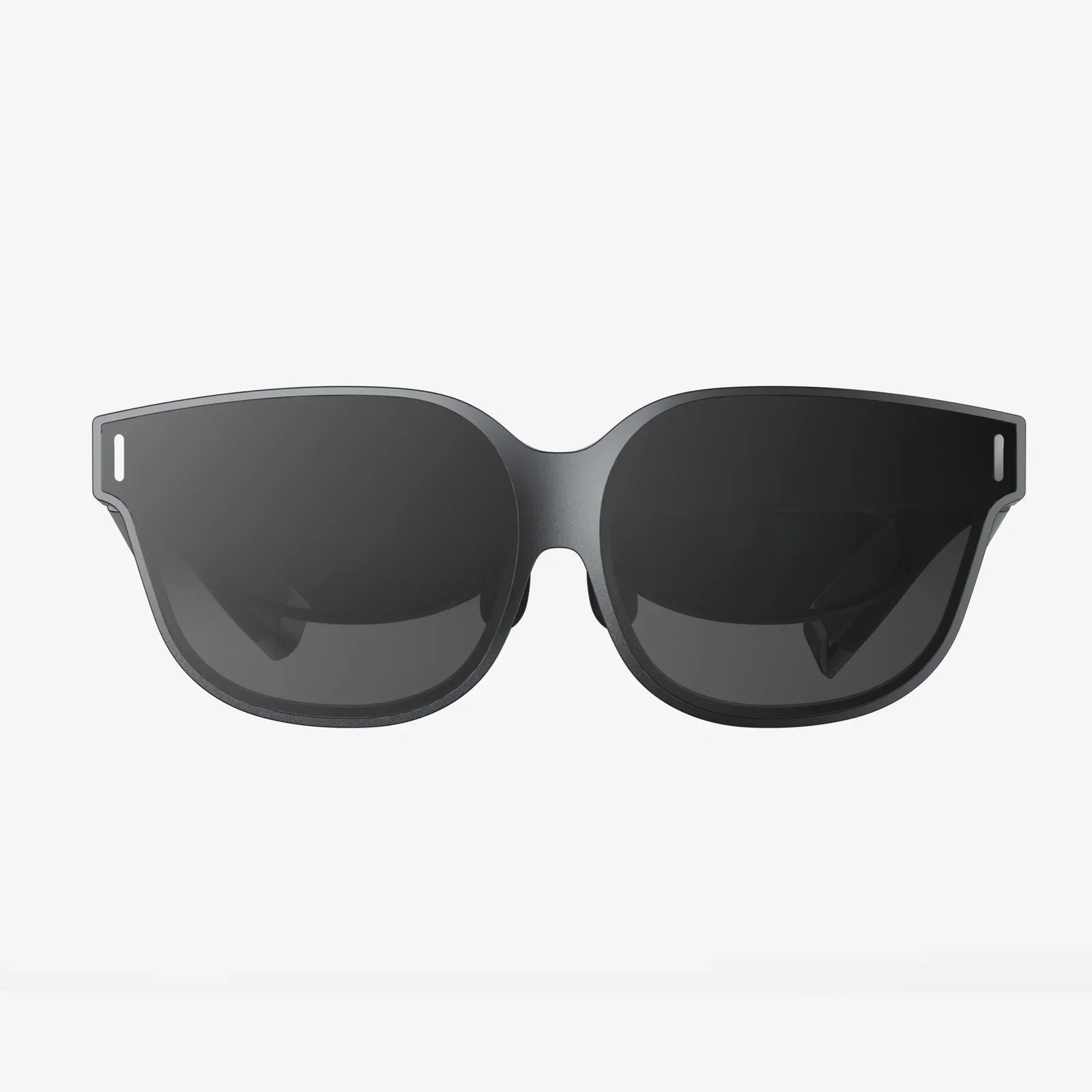
The sleek, futuristic silhouette of the latest mixed-reality device promises a world reborn, a seamless blending of our physical existence with infinite digital possibilities. It’s a siren’s call to early adopters and tech visionaries, beckoning them into a new era of computing. Yet, beneath the glossy marketing and breathtaking demos, a more complex and cautionary narrative is unfolding. This isn't just another incremental update; it represents a fundamental leap in how we interface with reality itself. And with such a profound leap comes immense responsibility—a responsibility that, if ignored, could see this powerful tool become a societal burden. The very ambition that drives this innovation contains the seeds of its potential downfall, creating a pivotal moment where we must choose between a future of empowered augmentation or one of subtle, pervasive control.
The promise is undeniably captivating. Imagine surgeons overlaying precise anatomical guides during complex procedures, mechanics seeing schematic diagrams superimposed on faulty engines, and architects walking clients through virtual buildings long before the first brick is laid. The potential for enhanced productivity, revolutionary educational tools, and entirely new forms of creative expression is staggering. This generation of hardware moves beyond clunky virtual reality that isolates users in entirely digital worlds. It champions augmented reality, aiming to enrich our existing world with a digital layer of information and interaction.
The technological marvels packed into these devices are a testament to human ingenuity. High-resolution micro-displays render crisp visuals that challenge the perception of what is real. Advanced inside-out tracking systems map physical spaces with astonishing accuracy, allowing digital objects to interact convincingly with furniture, walls, and people. Spatial audio technology creates a 3D soundscape that responds to the user's head movements, further cementing the illusion. Sophisticated arrays of sensors, from LiDAR to depth sensors, constantly scan and interpret the environment, making the digital feel tangible. The goal is nothing short of creating an intuitive, always-available companion that understands our context and serves up information before we even know we need it.
However, this very capability—to see, map, and understand our world—unlocks a Pandora's box of privacy concerns unlike any consumer device before it. A smartphone can track our location and listen through its microphone. A smart speaker sits in our home. But a advanced headset is a wearable computer that sees what we see, hears what we hear, and meticulously maps the most intimate spaces of our lives: our homes, our offices, our bedrooms.
The data collected is exponentially more sensitive. It’s not just about where you are; it’s a detailed 3D blueprint of your living room, complete with the objects you own, the books on your shelf, the family photos on the wall. It can observe your unconscious gestures, your facial expressions when you’re stressed or happy, and your daily routines down to the most minute detail. This creates an unprecedented biometric and behavioral profile.
The central question becomes: who owns this data? The potential for misuse is catastrophic. Could this intimate environmental data be accessed by law enforcement without a warrant? Could it be sold to data brokers to build even more invasive advertising profiles? Could a security breach expose the literal layout of your home to malicious actors? The device's always-on, always-watching nature means the line between convenient assistance and perpetual surveillance is perilously thin. Without robust, transparent, and user-controlled data governance frameworks built directly into the technology's core—not added as an afterthought—this new eye into our lives risks becoming the most potent surveillance tool ever placed on the consumer market.
Beyond the privacy of our physical spaces lies the privacy of our minds. The long-term psychological effects of prolonged immersion in blended realities are a vast unknown. We are only beginning to understand the impact of social media on attention spans and mental health; this technology represents a far more profound and immersive intervention into our cognitive processes.
A significant risk is the potential for reality attenuation—a gradual blurring where the digital world becomes more appealing, more manageable, and ultimately more “real” than the complex, often messy, physical world. This could lead to increased social isolation, as users retreat into curated digital experiences. The phenomenon known as “VR hangover,” where users feel disoriented and detached after extended use, could evolve into more persistent forms of derealization or dissociative states.
Furthermore, the power of immersive technology makes it a potent vehicle for new forms of manipulation and propaganda. Imagine an augmented advertisement that doesn’t just appear on a screen but manifests as a seemingly tangible, interactive object in your kitchen. Or political messaging that is spatially integrated into your environment, making it feel like an inherent part of your world. The ability to alter perceived reality grants actors the power to craft narratives with overwhelming persuasive force, challenging our shared sense of objective truth in ways that flat-screen media never could.
The social implications of widespread adoption are equally fraught. These devices risk exacerbating the digital divide into a chasm. If this technology becomes essential for high-level work, education, and social connection, what happens to those who cannot afford it? We risk creating a two-tiered society: the “augmented” class, who have access to enhanced information and capabilities, and the “un-augmented,” who are left behind in a purely analog world. This isn't just about having the latest gadget; it’s about access to information, economic opportunity, and even new forms of literacy.
On an interpersonal level, new social norms and etiquette will need to be negotiated. Is it rude to wear a headset during a conversation with someone who isn't? How do we know if someone is recording us or our surroundings without consent? The constant presence of a device that can record and analyze social interactions could create a culture of paranoia and performance, inhibiting genuine human connection. The shared experience of reality, a fundamental bedrock of human society, becomes fragmented when everyone is perceiving a different, digitally altered version of the same space.
This is not a call to halt progress or to vilify technology. The potential benefits of mixed reality are too great to ignore. Instead, it is a urgent plea for a paradigm of responsible innovation. The race to market dominance must not overshadow the ethical imperative to build safely, inclusively, and with profound respect for the human experience.
Developers and manufacturers must adopt a “privacy by design” philosophy. This means processing sensitive data locally on the device whenever possible, rather than streaming endless feeds of personal information to the cloud. It means providing users with clear, granular controls over what data is collected and how it is used. It means implementing obvious physical indicators like LED lights to signal when sensors are active, restoring a sense of agency and transparency.
Furthermore, independent researchers must be granted access to study the psychological and sociological effects of long-term use. The industry must collaborate with ethicists, psychologists, sociologists, and policymakers to establish guardrails before problematic practices become standardized. We need open dialogues about digital ownership, the right to our own biometric data, and the laws that will protect individuals in augmented spaces.
The success of this technology should not be measured solely by its technical specifications or its sales figures. Its true measure will be in its ability to enhance humanity without diminishing it, to connect us without isolating us, and to empower us without making us vulnerable. The headset itself is neutral; it is a canvas. The responsibility lies with its creators, its regulators, and its users to paint a future that we all actually want to live in.
The final verdict on this technological leap won't be written in code or announced at a keynote; it will be written in our laws, etched into our social norms, and felt in the quiet moments of our daily lives. Will we master this technology, or will it, in subtle and imperceptible ways, begin to master us? The headset sits waiting, its potential and its peril inextricably linked, challenging us to make the right choice before the new reality becomes the only one we have.
Share:
AI Powered Eye Glasses: The Invisible Revolution Reshaping Human Experience
Price of Augmented Reality Headset - A Deep Dive Into Cost, Value, and Market Dynamics