


Imagine walking through a historic city square when the ancient cathedral in front of you suddenly fractures, its stone facade crumbling away to reveal a shimmering, futuristic core before rebuilding itself in a kaleidoscope of light and sound. Now, imagine pointing your device at that same cathedral and seeing a long-extinct dinosaur lumbering around its foundations, visible only to you through your screen. These are not scenes from a distant future but present-day realities powered by two of the most captivating visual technologies: projection mapping and augmented reality. While often mentioned in the same breath of digital innovation, they represent fundamentally different philosophies for bending our perception of reality, each with its own profound strengths and limitations. The choice between them isn't just technical; it's a decision about how we want to tell stories, share information, and connect with the world around us.
Defining the Digital Mirage: Core Principles Unpacked
At its heart, the difference between projection mapping and augmented reality (AR) is a difference of physics versus data, of shared spectacle versus personal experience.
Projection Mapping: The Art of Physical Light
Projection mapping, also known as spatial augmented reality, is a technique that uses specialized software to warp and mask projected imagery to fit perfectly onto irregularly shaped surfaces—buildings, stages, cars, or even entire landscapes. It turns any physical object into a dynamic display surface. The core principle is anchoring digital content directly onto the physical world through light. This process involves precise 3D modeling of the target object, meticulous calibration of projectors, and the artistic choreography of light and motion. The result is a breathtaking, often large-scale illusion that transforms the familiar into the fantastic. Crucially, it is a passive experience for the viewer; no headset, phone, or app is required to see the effect. It exists in the shared physical space, creating a collective moment of awe for everyone present.
Augmented Reality: The Digital Layer on Reality
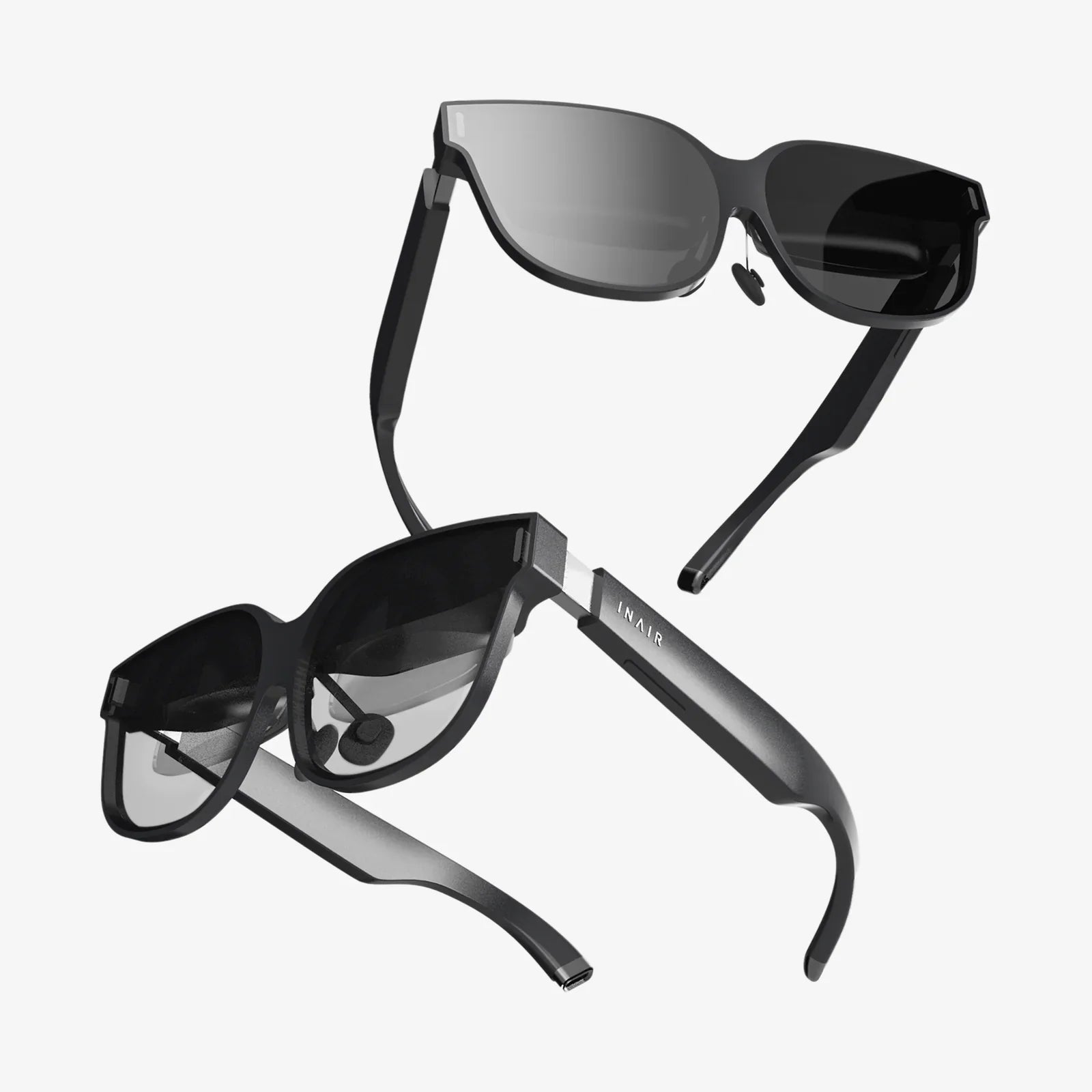
Augmented reality, by contrast, is a technology that superimposes a layer of computer-generated information onto a user's view of the real world. This is achieved not with external projectors, but with a device's camera and sensors—typically a smartphone, tablet, or a pair of smart glasses. Using techniques like simultaneous localization and mapping (SLAM), the device understands its environment and precisely places digital objects within it. The magic of AR is that it is interactive and personalized. The digital content can respond to the user's movements, taps, and voice commands. Unlike projection mapping's shared spectacle, an AR experience is often a personal one, viewed through one's own device, creating a unique blend of the real and the virtual that is tailored to the individual's perspective and actions.
The Technological Divide: How They Actually Work
The underlying machinery that powers these two experiences is vastly different, dictating their applications and accessibility.
The Hardware Ecosystem of Projection Mapping
Creating a projection mapping spectacle is an exercise in technical production. It requires a significant hardware setup:
- High-Lumen Projectors: These are the workhorses, often multiple units working in tandem (a process called blending) to achieve seamless, bright enough imagery to overcome ambient light.
- Media Servers: Powerful dedicated computers running specialized software that handles the complex warping, blending, and triggering of content across the projector array.
- 3D Scanned Data: Accurate digital models of the projection surface are essential for the software to map the content correctly.
- Physical Infrastructure: Rigging, trusses, power distribution, and cabling are all critical, non-glamorous but essential components.
This makes projection mapping a capital-intensive endeavor. It's a fixed installation, tethered to a specific location and object for the duration of the show. You can't easily move a building mapping show to a different building; it requires a complete recalibration.
The Software-Driven World of Augmented Reality
AR, on the other hand, leverages the powerful hardware already in billions of pockets. Its requirements are predominantly software-based:
- Camera and Sensors: The smartphone's camera acts as the eye, while its gyroscope, accelerometer, and magnetometer provide spatial orientation.
- Computer Vision Algorithms: This is the true brain of AR. SLAM algorithms allow the device to understand and map the environment in real-time, recognizing flat surfaces (like floors or tables) and tracking the device's position within that map to anchor digital objects.
- Development Platforms: Software development kits (SDKs) and game engines have made AR app development more accessible than ever, allowing creators to build experiences for a massive existing user base.
This software-centric model makes AR incredibly scalable and portable. An AR experience can be deployed globally via an app store update, instantly reaching millions of users in their own homes, streets, or workplaces without any physical setup.
A Tale of Two Experiences: Audience and Interaction
The technological gulf creates a chasm in how audiences engage with each medium.
The Collective Gasp of Projection Mapping
Projection mapping is the modern-day equivalent of a grand fireworks display or a public monument. Its power lies in collective audience engagement. Thousands of people can gather in a town square and simultaneously experience the same narrative unfold on a historic building. It’s a social event, a shared memory. The experience is linear and curated; the audience is a spectator to a pre-rendered show. The interaction is emotional and communal, not tactile. You can’t touch the light, but you can feel the collective wonder of the crowd around you. It is storytelling on an epic, architectural scale.
The Personal Portal of Augmented Reality
AR offers a deeply personal and interactive portal. The experience is non-linear and user-driven. One person might use AR to see how a new piece of furniture would look in their living room, manipulating its position and color. Another might play a game where cartoon characters hide under their real-world desk. A technician might use AR glasses to see repair instructions overlaid directly on a malfunctioning machine. The experience is intimate, practical, and on-demand. The audience is not a passive crowd but an active participant, controlling the viewpoint and often the narrative itself. This creates a powerful sense of agency and utility that projection mapping cannot match.
Battlegrounds and Best Uses: Where Each Technology Shines
Choosing between projection mapping and AR is about selecting the right tool for the right job. Their ideal applications highlight their inherent strengths.
The Domain of Projection Mapping
- Large-Scale Advertising and Brand Activations: Transforming a flagship store or a skyscraper into a dynamic advertisement creates an unforgettable spectacle that dominates the urban landscape.
- Live Events and Concert Visuals: From transforming a stage for a rock band to creating immersive environments for theatrical productions, it adds a layer of magical realism to performances.
- Cultural and Heritage Projects: "Reanimating" historical buildings and monuments for festivals, educating the public, and bringing history to light in a visually stunning way.
- Art Installations: Many artists use projection mapping to create批判性的, site-specific works that comment on the architecture and its context.
Its strength is its impact and scale.
The Realm of Augmented Reality
- Retail and E-Commerce: "Try before you buy" experiences for furniture, home decor, clothing, and cosmetics directly on the user's device.
- Industrial and Field Service: Providing workers with hands-free instructions, diagrams, and remote expert guidance overlaid on complex machinery.
- Education and Training: Interactive textbooks where a dinosaur skeleton can be explored layer by layer, or a training manual for an engine comes to life on the page.
- Navigation: AR wayfinding arrows superimposed on the real world in airports, malls, or city streets.
- Gaming and Entertainment: Creating persistent game boards in public parks or placing persistent digital art in specific locations.
Its strength is its utility, personalization, and accessibility.
The Inevitable Convergence: Blurring the Lines
The future is not a zero-sum game where one technology wins. Instead, we are seeing a fascinating convergence. The line between projection mapping and AR is beginning to blur in innovative ways. Imagine a hybrid experience where a projection-mapped show on a building is the shared centerpiece, but attendees can then point their AR-enabled devices at specific parts of the building to unlock additional layers of content, character backstories, or interactive elements. This merges the collective power of projection with the personal depth of AR. Furthermore, advancements in spatial computing and wearable technology promise a future where AR becomes a shared experience, moving beyond the isolation of a single screen. The ultimate goal of both technologies is the same: to enrich our reality with a layer of digital magic. The path to that goal is simply different, offering creators a rich and expanding palette of tools to craft the experiences of tomorrow.
Whether you seek to unite a crowd under a shower of digital light or empower an individual with information at their fingertips, the key lies in understanding this fundamental dichotomy. The next time you witness a building breathe with light or summon a holographic pet into your room, you'll appreciate the intricate dance of photons and pixels that makes it possible—and you'll know exactly which technological wizard is behind the curtain. The real magic is that this is only the beginning; the canvas of our world is now digital, and the tools to paint on it are finally in our hands.
Share:
Components of Wearable Computing: Deconstructing the Tech on Your Wrist and Beyond
Fashion AI: The Digital Revolution Reshaping Style, Sustainability, and Self-Expression