


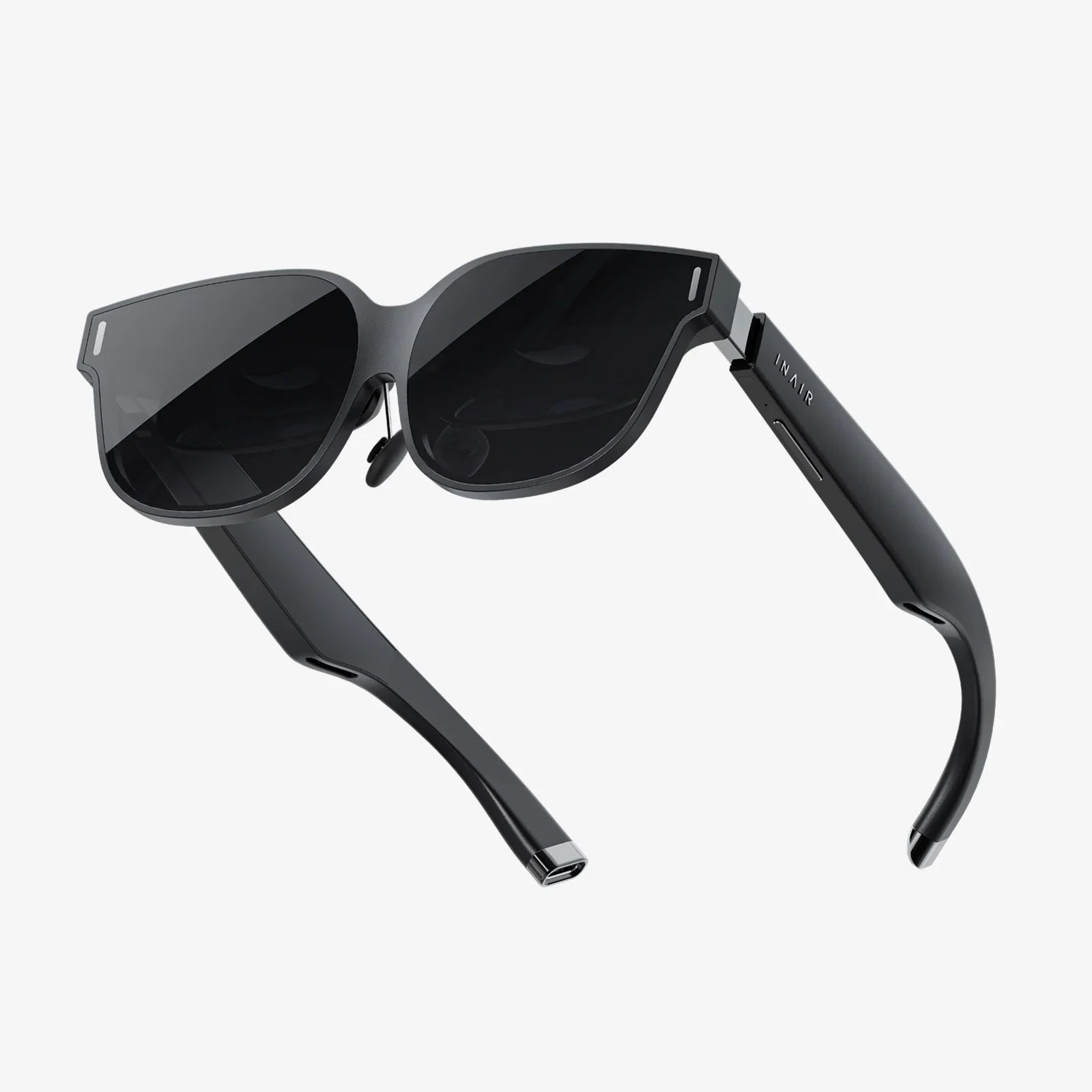
Imagine slipping on a sleek visor and, within seconds, standing on the surface of Mars, painting in three-dimensional space, or facing down a dragon in a mythical castle. This is no longer the stuff of science fiction or the exclusive domain of tech enthusiasts with powerful computers and a tangle of cables. The era of the ready to use VR headset is here, and it’s fundamentally changing our relationship with digital content, offering a frictionless gateway to immersive experiences that are as simple to access as they are breathtaking to behold.
The Dawn of Accessibility: From Niche to Mainstream
Virtual reality technology has existed in various forms for decades, but for much of its history, it was shackled by complexity and cost. Early systems required immense processing power, external sensors placed meticulously around a room, and a daunting setup process that acted as a significant barrier to entry for the average consumer. It was a playground for developers and hardcore gamers, a fascinating promise that had yet to be delivered to the living room.
The paradigm shift began with the conceptualization of the all-in-one, ready to use VR headset. The core philosophy was elegant in its simplicity: integrate all the necessary technology—the display, processors, sensors, and batteries—directly into the headset itself. This eliminated the need for a connection to an expensive external device, transforming VR from a stationary, PC-tethered experience into a truly untethered and liberated one. Suddenly, the virtual world wasn't confined to a single room; it could be experienced anywhere with enough space to move safely.
Anatomy of a Modern Ready to Use VR Headset
So, what exactly makes these devices so revolutionary? It’s the seamless integration of sophisticated technology designed for intuitive use.
The All-in-One Design
At the heart of every ready to use VR headset is its self-contained nature. High-resolution, fast-switch LCD or OLED displays are positioned mere centimeters from the user's eyes, viewed through precisely engineered lenses that create a wide field of view and the crucial illusion of depth and scale. Powerful mobile processors, often comparable to those found in high-end smartphones, run a customized operating system built from the ground up for VR, handling the complex math of tracking and rendering immersive environments in real-time.
Inside-Out Tracking
This is the magic trick that makes setup instantaneous. Instead of relying on external base stations or cameras placed around the room, these headsets use a array of embedded cameras on their outer shell. These cameras act as eyes, constantly scanning the surrounding environment. Sophisticated computer vision algorithms interpret this visual data to track the headset's position in real-world space and map the geometry of the room. This same technology tracks the motion of the controllers, which are also equipped with sensors, allowing users to see their virtual hands and interact with the digital world naturally and precisely.
Intuitive Controllers
Gone are the days of confusing button layouts. Controllers for modern standalone systems are designed to feel like an extension of the user's hands. They typically feature an ergonomic ring that houses the tracking sensors, a thumbstick, trigger buttons for primary actions, and grip buttons that simulate picking up objects. Haptic feedback provides subtle vibrations, adding a crucial layer of tactile immersion when interacting with virtual objects.
A Curated Content Ecosystem
A device is only as good as its software. Ready to use VR headsets are supported by dedicated digital storefronts that offer a vast and ever-growing library of content. This includes sprawling adventure games, hyper-realistic social spaces, innovative productivity apps, breathtaking 360-degree videos, and immersive educational experiences. The closed nature of these platforms ensures that every application is optimized to run smoothly on the device, guaranteeing a high-quality, consistent user experience without the need for troubleshooting drivers or hardware compatibility.
Unlocking New Realms: Applications Beyond Gaming
While gaming remains a primary driver of VR adoption, the true potential of ready to use VR headsets extends far beyond entertainment. Their accessibility has opened doors in fields previously untouched by the technology.
Education and Training
Imagine medical students practicing complex surgical procedures on virtual patients, history students walking through ancient Rome, or mechanics training on the internal systems of a jet engine—all without real-world risk or astronomical cost. VR provides a safe, scalable, and deeply engaging platform for experiential learning that improves knowledge retention and understanding.
Social Connection and Remote Work
Platforms have emerged that function as virtual meeting spaces. Instead of a grid of faces on a flat screen, colleagues from around the world can gather around a virtual whiteboard as if they were in the same room, manipulating 3D models together. Friends can meet up to watch movies, play games, or simply chat in fantastical environments, fostering a sense of presence and togetherness that traditional video calls cannot replicate.
Fitness and Wellbeing
A new genre of VR applications has turned exercise into an exhilarating adventure. Users can box against virtual opponents, slice through flying blocks to the rhythm of music, or follow guided meditation sessions in serene, computer-generated landscapes. By making fitness fun and immersive, these headsets are helping people lead more active and mindful lives.
Design and Architecture
Architects and interior designers are using VR to walk clients through unbuilt structures, allowing for changes to be made before a single brick is laid. Artists are using applications that let them sculpt, model, and paint in three dimensions, creating art in ways that were previously impossible.
Choosing Your Portal: What to Consider
With several compelling options on the market, selecting the right headset depends on individual needs and preferences. Key factors to consider include the display resolution and refresh rate for visual clarity and comfort, the available storage capacity for apps and games, and the battery life which dictates session length. The content library is also paramount; while there is significant overlap, some experiences may be exclusive to a particular platform's ecosystem.
The Future is Already Here
The technology continues to advance at a rapid pace. We are already seeing the integration of augmented reality (AR) passthrough cameras, allowing digital objects to be superimposed onto the real world, blurring the lines between physical and virtual spaces. Eye-tracking and facial expression tracking are emerging technologies that will soon enable more nuanced and expressive avatars in social applications, making interactions feel more human and authentic than ever before.
The journey of virtual reality is one of constant evolution, but the advent of the ready to use VR headset marks its most significant milestone yet. It has successfully dismantled the technical and financial barriers that once held it back, placing an entire universe of possibility directly onto our heads. It represents not just a new way to play games, but a new platform for human connection, creativity, and exploration. The door is open, the threshold is low, and an infinite number of worlds are waiting just on the other side, ready for you to take that first step.
You’ve seen the demos, heard the stories, and wondered what it’s truly like. The barrier between curiosity and experience has never been thinner. That sleek, self-contained device isn’t just another piece of tech; it’s a ticket to front-row seats at concerts that haven’t happened, a passport to walk through history, and a canvas for creativity that defies the limits of physics. The revolution isn't coming—it's already sitting on the store shelf, fully charged and waiting for you to press 'start'. Your new reality is ready.
Share:
VR Headset Good for Kids: The Ultimate Guide to Benefits, Risks, and Safe Usage
An AR Headset Could Cost Over $3,500: The Hidden Economics of Next-Gen Reality