


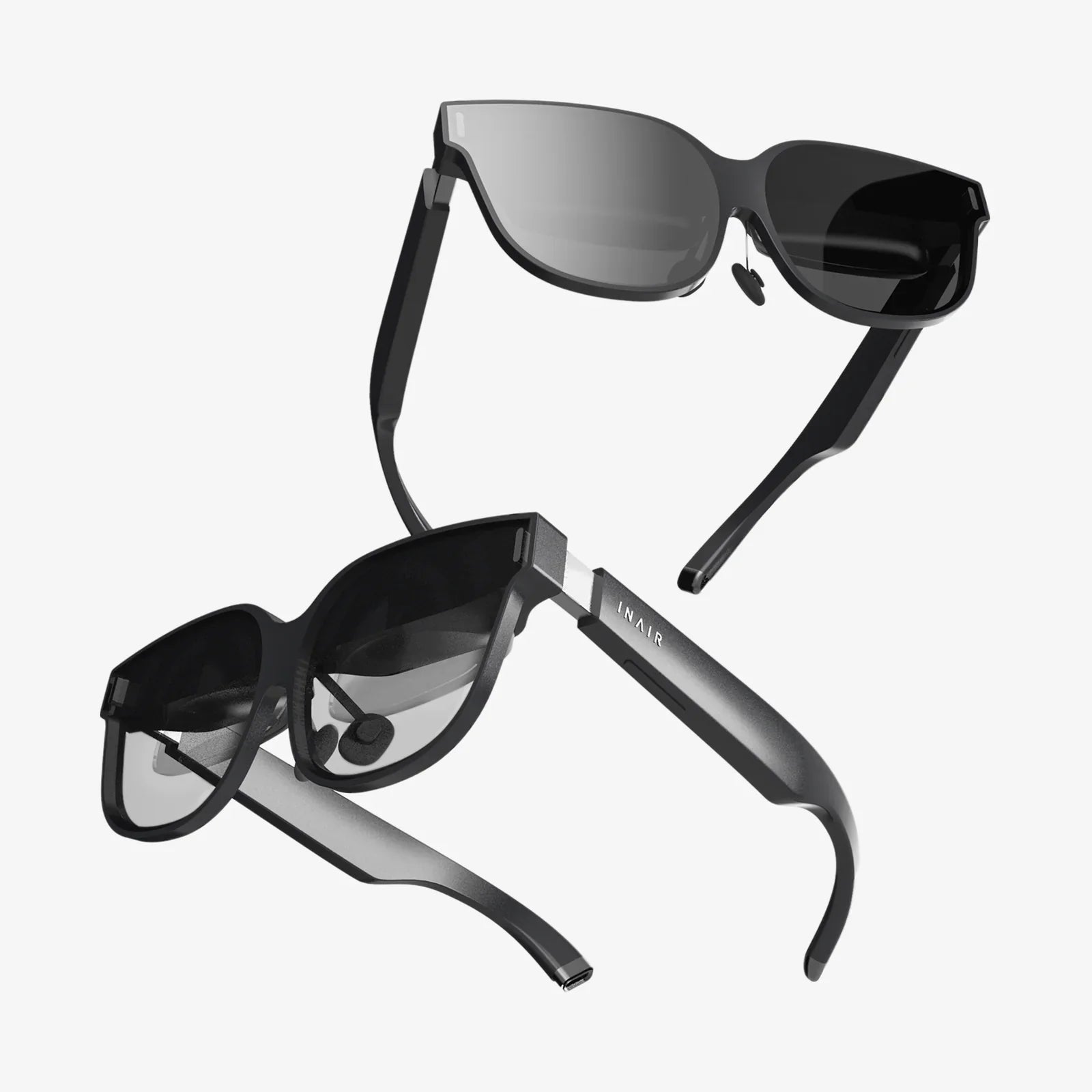
Imagine a world where the line between the digital and the physical doesn't just blur—it disappears. You're no longer just using an app; you're stepping inside it. This is the promise, and increasingly the reality, of real virtual reality apps, a technological frontier that is captivating millions and poised to revolutionize everything from how we work to how we heal. This isn't about watching a screen; it's about existing within a new dimension, and the implications are as vast as the virtual worlds being created.
The Essence of True Immersion: Beyond the Hype
At its core, a real virtual reality app is a software application designed to be experienced through a head-mounted display that fully immerses the user in a three-dimensional, computer-generated environment. Unlike traditional media, which is observed from the outside, VR is felt from within. The key differentiator for a truly immersive experience lies in its fidelity to several core principles.
Presence is the holy grail of VR. It's the undeniable, often startling, sensation of actually being in the virtual space. This is achieved through a combination of high-resolution displays with a wide field of view, precise head-tracking that matches your movements one-to-one with the virtual world, and convincing stereoscopic 3D audio that changes as you turn your head. When these elements align, your logical mind may know you're standing in your living room, but your perceptual system is convinced you're walking on Mars.
Another critical component is interactivity. Real virtual reality apps grant users agency. You can manipulate objects, push buttons, draw, build, or even wield a lightsaber using motion-tracked controllers or, increasingly, sophisticated hand-tracking technology that uses your bare hands as the interface. This interactivity transforms the experience from a passive viewing into an active doing, forging a deeper cognitive and emotional connection to the content.
Finally, there is the element of embodiment. Many advanced applications provide users with a virtual body or pair of hands that mirrors their real movements. This phenomenon, known as proprioception, further anchors the user in the virtual space, enhancing the sense of presence and making social interactions with other users feel more genuine and impactful.
A Universe of Applications: More Than Just Games
While gaming remains a massive driver of consumer adoption, the true potential of real virtual reality apps extends far beyond entertainment. They are becoming powerful tools in a diverse range of professional and therapeutic fields.
Revolutionizing Education and Training
Imagine medical students performing intricate virtual dissections without ever touching a cadaver, or history students walking through ancient Rome as it teems with life around them. Real virtual reality apps make this possible. They create safe, repeatable, and cost-effective training environments for high-stakes professions. Surgeons can practice complex procedures, pilots can navigate emergency scenarios, and mechanics can learn the intricacies of a new engine model—all without real-world risk or the expense of physical machinery. This experiential learning paradigm boosts knowledge retention and skill acquisition dramatically.
Transforming Healthcare and Therapy
The therapeutic potential of VR is staggering. It is being used for exposure therapy, helping individuals with phobias (like fear of heights or flying) confront their triggers in a controlled, gradual manner. It's aiding in physical rehabilitation by turning repetitive exercises into engaging games, motivating patients to complete their regimens. Furthermore, VR is providing powerful distractions for burn victims during painful wound care procedures and is being explored for managing chronic pain and treating post-traumatic stress disorder (PTSD) by allowing patients to process traumatic memories in a new context.
Redefining Social Connection and Remote Work
In an increasingly globalized and remote world, real virtual reality apps offer a compelling alternative to flat video calls. Social VR platforms allow people to gather in virtual spaces as personalized avatars, watching movies together, playing games, or simply conversing. The sense of shared space and non-verbal cues like gesture and head movement foster a much richer form of communication than a grid of video feeds.
This extends to the corporate world. Virtual offices and meeting rooms enable remote teams to collaborate on 3D models, brainstorm on virtual whiteboards, and interact with a naturalness that Zoom cannot replicate. This concept of the "metaverse" for work promises to reduce travel, enhance collaboration, and create a more cohesive culture for distributed teams.
Unlocking Design and Architecture
For architects, interior designers, and urban planners, VR is an invaluable visualization tool. Instead of looking at blueprints or 3D models on a screen, clients can don a headset and literally walk through their unbuilt home. They can experience the scale of a room, the flow of the space, and the play of light at different times of day. This allows for informed feedback and design changes before a single brick is laid, saving immense time and resources.
The Technology Behind the Illusion
The magic of real virtual reality apps is powered by a sophisticated stack of technologies working in perfect harmony.
Hardware: Modern VR headsets, often called Head-Mounted Displays (HMDs), are engineering marvels. They pack high-pixel-density displays, often with refresh rates of 90Hz or higher to ensure smooth motion and prevent nausea. Inside-out tracking uses integrated cameras to map the physical room and track the headset's position without external sensors. Advanced optics, including Fresnel lenses, focus the screen to appear clear and vast. Haptic feedback devices, from controllers to vests and gloves, provide the sense of touch, completing the sensory immersion.
Software and Development: Creating these immersive worlds requires powerful game engines, which provide the foundation for rendering complex 3D environments in real-time. Developers use these tools to build interactions, physics, and AI. A critical software challenge is maintaining a high, stable frame rate; any lag or stutter can break the sense of presence and cause discomfort. Techniques like foveated rendering, which leverages eye-tracking to render only the area you're directly looking at in full detail, are crucial for managing the immense computational load.
Navigating the Challenges and Considerations
The path to perfect virtual reality is not without its obstacles. A significant portion of users experience cybersickness, a form of motion sickness caused by a disconnect between visual motion cues and the body's vestibular sense. Mitigating this requires impeccable software optimization, high frame rates, and thoughtful design that minimizes unnatural camera movements.
Accessibility is another major hurdle. The cost of high-end hardware, the need for a powerful computer, and the physical space required for room-scale experiences can be prohibitive for many. Furthermore, designing experiences for users with different physical abilities and needs is a complex but essential undertaking for the industry.
As with any transformative technology, ethical questions arise. Data privacy is paramount, as VR systems can collect incredibly detailed biometric and behavioral data. The long-term psychological effects of prolonged immersion are not fully understood. There are also concerns about virtual addiction and the potential for hyper-realistic simulations to be used for malicious purposes. Establishing robust ethical frameworks and safety guidelines is critical for the responsible development of this medium.
The Future is Immersive: What Lies Ahead?
The evolution of real virtual reality apps is accelerating at a breathtaking pace. We are moving towards lighter, wireless headsets with higher-resolution displays that approach retinal clarity. Haptic technology will evolve from simple controller rumble to full-body suits that can simulate texture, pressure, and temperature.
The integration of Artificial Intelligence will make virtual worlds more dynamic and responsive. AI-powered non-player characters (NPCs) will hold natural conversations and adapt to users' actions, creating infinitely replayable narratives. AI will also be used to generate vast, detailed environments on the fly, a concept known as procedural generation.
Perhaps the most profound frontier is the development of brain-computer interfaces (BCIs). While still in early stages, this technology aims to allow users to control virtual experiences with their thoughts alone, and even to simulate sensations directly in the brain, potentially leading to experiences that are indistinguishable from physical reality.
The journey of real virtual reality apps is just beginning. They are not a passing trend but a fundamental shift in our relationship with technology. They hold the key to unlocking deeper understanding, fostering genuine connection across vast distances, and experiencing the impossible. The virtual door is open, and it leads not away from our reality, but to a limitless expansion of it. The next time you consider downloading an app, ask yourself: do you want to use it, or do you want to step into it?
Share:
Difference Between Mixed Reality and Virtual Reality: A Comprehensive Guide to Our Digital Future
Types of Portable Computing Devices: A Comprehensive Guide to Mobile Technology