


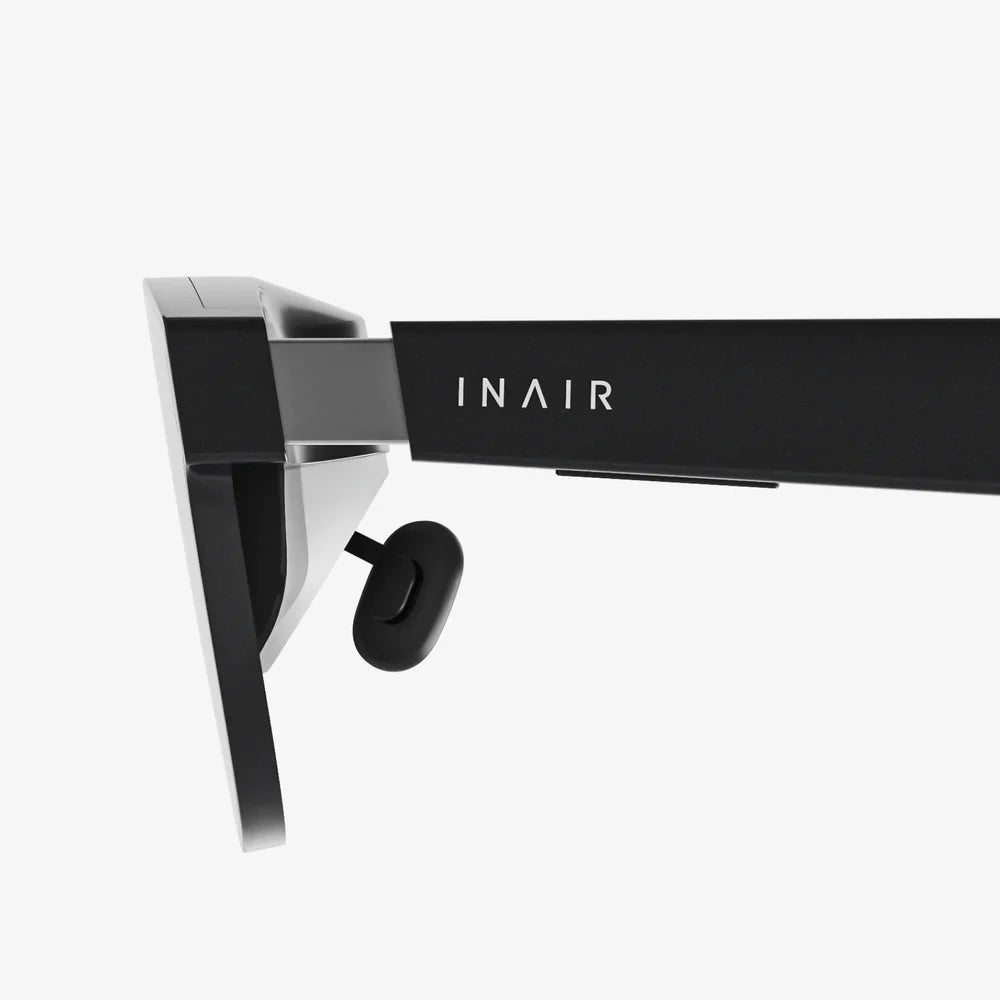
Imagine a world where a technician, high atop a wind turbine with greasy hands and howling winds, can instantly pull up a complex wiring schematic. A world where a surgeon in a remote clinic can be guided through a rare procedure by a specialist thousands of miles away, their view perfectly aligned. A world where a field engineer, deep within a manufacturing plant, can conduct a live equipment inspection for a manager back at headquarters, all while keeping their hands on the tools. This is not a glimpse into a distant sci-fi future; this is the reality being built today, powered by a transformative technology known as RealWear smart glasses. These are not the consumer-grade augmented reality glasses you might be thinking of; they are rugged, purpose-built tools designed for the most demanding industrial environments, and they are fundamentally reshaping the nature of work itself.
The Genesis of Assisted Reality: A Tool Forged in Industry
The story of RealWear smart glasses begins not in a Silicon Valley design lab focused on gaming or social media, but on factory floors, in utility vaults, and on construction sites. The core philosophy is one of human-centric design: how can technology augment human capability without getting in the way? The answer was a new category often termed 'assisted reality'—a subset of augmented reality that prioritizes hands-free, voice-controlled access to information within the user's line of sight, without fully immersing them in a digital world. This crucial distinction makes them ideal for safety-critical jobs where situational awareness is paramount.
These devices are engineered for environments that would destroy consumer electronics. They are built to military-grade durability standards, capable of surviving drops onto concrete, operating in extreme temperatures, and resisting water and dust ingress. The audio technology is equally advanced, using bone conduction to deliver clear sound without blocking the ear, allowing the wearer to hear both their digital assistant and the ambient sounds of their worksite—a shouted warning, a machine's abnormal hum, the beep of a reversing vehicle. This rugged, focused design is what separates them as a tool for productivity, not a gadget for entertainment.
Unleashing Potential: Core Functionalities Revolutionizing Frontline Work
The true power of these smart glasses lies in their practical applications. By serving as a wearable hub for information and communication, they solve age-old industrial problems.
Remote Expert Guidance: The Power of "See What I See"
This is arguably the most powerful use case. When a worker encounters a problem they can't solve, instead of pausing work to call for help, take blurry photos, or try to explain the issue over a crackling radio, they can initiate a live, hands-free video call with an off-site expert. Using the high-definition camera on the glasses, the expert can see exactly what the worker sees, annotate the live video feed with arrows, circles, and text, and guide them through the repair step-by-step. This drastically reduces equipment downtime, minimizes travel costs for specialists, and empowers less experienced workers to perform complex tasks correctly the first time.
Digital Workflow and Documentation
Paper manuals, checklists, and clipboards are cumbersome, can get lost or damaged, and force workers to constantly look down and away from their task. Smart glasses digitize these workflows. Checklists appear in the worker's field of view, which they can navigate and check off using simple voice commands. Digital work instructions, including text, images, and video, can be called up instantly, guiding them through intricate assembly or quality assurance processes. Furthermore, they can document their work hands-free, capturing photos and videos for compliance records, insurance claims, or future training purposes, all tagged with metadata like time, date, and location.
Data Access and Visualization
Integrating with existing enterprise systems, these glasses can become a live dashboard for physical assets. A technician looking at a piece of machinery can call up its service history, live performance metrics, or energy consumption data, displayed in a small, non-obtrusive window in their peripheral vision. This instant access to contextual data enables predictive maintenance and informed decision-making on the spot.
The Tangible Impact: Measuring the Return on Innovation
The adoption of this technology is driven by a compelling return on investment that manifests in several key areas:
- Dramatic Increase in First-Time Fix Rates: With remote expert support, problems are resolved correctly on the first visit, eliminating costly recall trips and prolonging asset life.
- Significant Reduction in Downtime: Faster repairs and maintenance mean machines and production lines are back online quicker, directly impacting the bottom line.
- Enhanced Safety and Compliance: Hands-free operation keeps workers focused on their environment. Digital checklists ensure procedures are followed meticulously, reducing human error and improving safety records.
- Knowledge Capture and Transfer: As a generation of skilled workers retires, these glasses allow organizations to capture their expertise in digital workflows and remote guidance sessions, effectively upskilling the newer workforce.
- Reduced Travel Costs and Carbon Footprint: Experts can support multiple sites globally from a single location, eliminating the need for expensive and time-consuming travel.
Navigating the Future: Challenges and The Road Ahead
Despite the clear benefits, widespread adoption faces hurdles. The initial investment, while increasingly justified by the ROI, can be a barrier for some smaller enterprises. Furthermore, successful implementation requires more than just hardware; it necessitates a robust and secure wireless network infrastructure, integration with backend enterprise software, and a change management strategy to gain workforce buy-in and overcome cultural resistance to new technology.
Concerns around data privacy, security, and user fatigue also need to be addressed. Companies must establish clear policies on data usage and recording. The technology itself continues to evolve at a rapid pace. We are moving towards devices with wider field-of-view displays, improved battery life, more sophisticated artificial intelligence for object recognition and automated data overlay, and even more intuitive user interfaces that may incorporate gesture control.
The future will likely see these glasses becoming even more deeply integrated into the Internet of Things (IoT) ecosystem, acting as the primary human interface for a world of connected machines and sensors. They will not only show us data but will also understand what we are looking at and proactively provide the information we need to act.
The arrival of rugged, industrial-grade smart glasses marks a pivotal moment in the long relationship between humanity and technology. They represent a shift away from immersive experiences that take us away from our world and towards assisted experiences that enhance our interaction with it. This is not about replacing workers with automation; it is about augmenting their skills, amplifying their knowledge, and empowering them to achieve levels of efficiency, safety, and expertise previously unimaginable. The industrial metaverse isn't a virtual world to escape to; it is a layer of intelligent information being draped over our physical reality, and it is being built not for consumers, but for the people who build, maintain, and power our world. The tools are here, the revolution is underway, and the future of work is looking brighter, smarter, and more connected than ever before.
Share:
Smart Glasses with Built-in Display 2025: The Dawn of Seamless Augmented Reality
Smart Glasses Market Size 2025: A Vision of the Future