


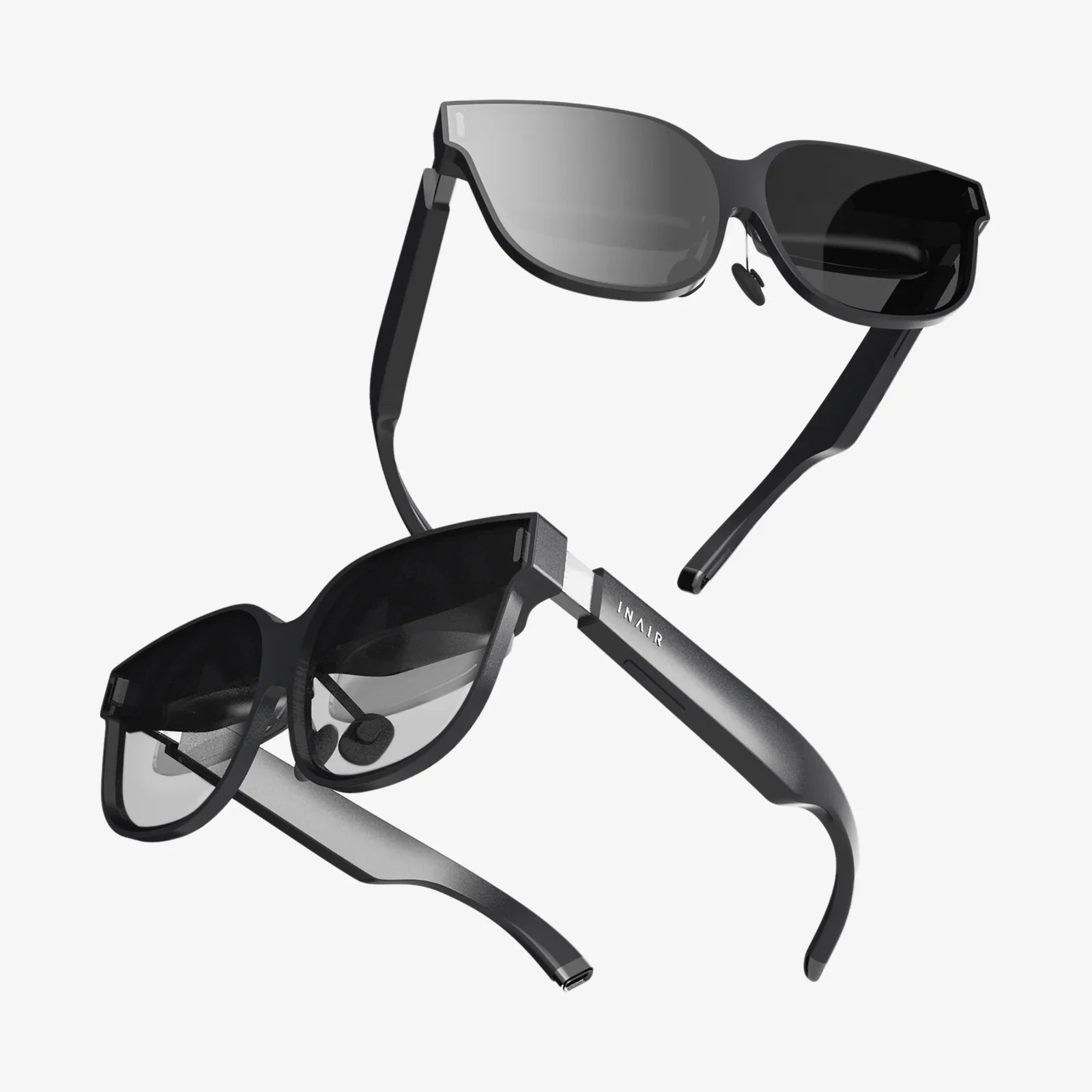
The ping of a new email, the gentle hum of your computer, the soft comfort of your favorite chair—this is the new symphony of productivity. Gone are the days of grueling commutes and sterile cubicles for millions. The remote work office isn't just a trend; it's a fundamental shift in how we conceptualize work, life, and the space in between. But this newfound freedom comes with a hidden challenge: without intention, the lines blur, focus frays, and the home becomes a place of constant distraction rather than concentrated effort. The key to unlocking the immense potential of working from anywhere lies in a single, powerful concept: the deliberate design of your remote work office. This isn't about claiming a corner of the dining table. It's about crafting a sanctuary for success, a dedicated ecosystem engineered for peak performance, profound well-being, and sustainable career growth.
The Philosophical Foundation: More Than Just a Desk
Before selecting a single piece of furniture, it's crucial to understand the 'why' behind your remote work office. This space serves three distinct, yet interconnected, purposes:
A Zone of Deep Work: Your home is filled with distractions—household chores, streaming services, family members. A physically and psychologically separated office creates a barrier against these interruptions. It signals to your brain, "It's time to work," allowing you to enter a state of flow where complex problems are solved and meaningful progress is made.
A Bastion of Well-being: The traditional office often prioritizes cost-efficiency over human comfort. Your home office flips this script. It is your domain to optimize for physical health with ergonomic furniture, for mental health with natural light and plants, and for emotional health with personal touches that spark joy.
A Statement of Professionalism: Whether on a video call with executives or hosting a client meeting virtually, your remote work office is your new professional backdrop. A clean, organized, and thoughtfully designed space communicates competence, credibility, and attention to detail.
Location, Location, Location: Choosing Your Sacred Space
The first and most critical decision is where to place your remote work office. This choice will influence everything that follows.
- The Dedicated Room: The gold standard. A separate room with a door you can close offers the ultimate in acoustic privacy, visual separation, and the ability to literally "leave work at the office" at the end of the day. It provides an unambiguous boundary for both you and your household.
- The Converted Nook: Not everyone has a spare bedroom. A large closet, an underutilized alcove, or a partitioned section of a larger room can be transformed into a highly effective workspace. The key is using room dividers, bookshelves, or even strategic furniture placement to create a visual and psychological barrier from the rest of the living area.
- The Mobile Setup: For those in tight quarters, a portable office that can be set up and packed away each day is a viable solution. This might involve a laptop stand and peripherals stored in a cabinet, allowing the kitchen table to revert to its primary function after hours. While requiring more daily discipline, it prevents work from visually dominating your home.
Evaluate each option based on access to natural light, proximity to noise (like kitchens or living rooms), and the ability to control temperature and airflow.
The Ergonomic Trinity: Investing in Your Physical Health
An aching back, a stiff neck, and tired eyes are not badges of honor; they are signs of a poorly designed workspace. Ergonomics—the science of designing the workplace to fit the user—is non-negotiable. It is the single most important investment you will make in your remote work office, directly impacting your long-term health and productivity.
The Chair: Your Throne of Productivity
Do not underestimate this. A high-quality ergonomic chair supports the natural curve of your spine, promotes good posture, and is adjustable to fit your unique body dimensions. Look for lumbar support, adjustable armrests, seat height and depth controls, and a comfortable, breathable material. You will spend thousands of hours in this chair; view it as a long-term investment in your health.
The Desk: The Foundation of Your Workspace
Your desk must work in harmony with your chair. The ideal height allows your elbows to rest at a 90-degree angle with your forearms parallel to the floor. The rise of the sit-stand desk has been a game-changer for remote workers. Alternating between sitting and standing throughout the day reduces the risks associated with prolonged sitting, boosts energy levels, and can even improve circulation and focus.
The Monitor: Gateway to Digital Clarity
Squinting at a small laptop screen is a recipe for eye strain and headaches. A large external monitor is essential. Position the top of the screen at or slightly below eye level, about an arm's length away. This neutral neck position prevents hunching. For even greater comfort, consider a second monitor to eliminate constant tab-switching and streamline your workflow.
Technology and Connectivity: The Digital Nervous System
Your remote work office is only as good as its connection to the world. Reliable, high-speed technology is the lifeline that makes everything else possible.
Internet: The Non-Negotiable Backbone
A sluggish internet connection is the ultimate productivity killer. Invest in the fastest and most reliable service available in your area. For critical tasks, a wired Ethernet connection often provides a more stable and faster link than Wi-Fi. Always have a backup plan, such as knowing how to quickly tether to your smartphone's data plan in case of an outage.
Peripherals: Tools of Efficiency
The right tools minimize friction and maximize output.
- Mechanical Keyboard: More comfortable for long typing sessions and can improve speed and accuracy.
- Precision Mouse: Reduces wrist strain and allows for efficient navigation.
- Webcam & Microphone: The built-in versions on laptops are often poor. An external HD webcam and a dedicated microphone (even a simple USB model) dramatically improve your presence on video calls, making you look and sound more professional.
- Docking Station: A single cable to connect your laptop to power, monitors, and all your peripherals simplifies your setup and makes it easy to disconnect.
Illumination and Atmosphere: Crafting Your Ambiance
Lighting is profoundly important for mood, energy, and reducing eye strain. The goal is to create a layered lighting scheme.
Natural Light: Position your desk to take advantage of natural light from a window, but avoid having the screen directly facing it to prevent glare. Side light is ideal.
Ambient Light: This is the general illumination of the room, often from a ceiling light. Avoid harsh, overhead lighting that creates shadows and glare on your screen.
Task Lighting: A dedicated desk lamp with adjustable brightness and temperature (warm to cool light) allows you to illuminate your workspace without causing screen glare. It's perfect for reading documents or writing notes without straining your eyes.
Beyond lighting, personalize your space. Add plants to improve air quality and bring a touch of nature indoors. Hang art that inspires you. Choose a color palette that promotes the desired mood—calming blues and greens, or energizing yellows and oranges.
Mastering the Psychology: Routines and Boundaries
The perfect physical setup can be undone by poor habits. Your remote work office must be governed by psychological rules.
The Ritual of Transition: Without a commute to bookend your day, you must create your own rituals. A morning walk around the block before entering your office can mimic the "arrival" at work. Similarly, a ritual at the end of the day—shutting down the computer, closing the door, meditating for five minutes—signals to your brain that the workday is over.
Defending Your Focus: Use technology to your advantage. Turn off non-essential notifications during deep work sessions. Utilize apps that block distracting websites. Communicate your focus hours to your household so they know not to interrupt unless necessary.
Embracing Movement: Schedule short breaks every hour. Stand up, stretch, look out the window at something far away to rest your eyes, and walk around. This is not wasted time; it's an investment in sustained concentration and physical health.
Future-Proofing Your Space: The Long Game
The world of work continues to evolve. Your remote work office should be adaptable.
Think about cable management solutions to keep your space clutter-free and adaptable. Consider furniture on casters for easy reconfiguration. As new collaboration technologies like augmented reality or advanced spatial audio become mainstream, ensure your space and connectivity can accommodate them. Your office is not a static entity; it's a dynamic tool that should evolve with your career.
The remote work revolution handed us the freedom to design our own days, but it also handed us the responsibility. That responsibility finds its physical form in the remote work office. It is far more than a mere place to open a laptop; it is the command center for your career, the incubator for your most brilliant ideas, and the guardian of your health and happiness. By applying thought, intention, and investment into crafting this sanctuary, you aren't just setting up a desk—you are architecting the conditions for a more productive, balanced, and fulfilling professional life. The door to your future of work is quite literally the one you choose to open every morning.
Share:
Human Computer Interaction HCI: The Invisible Art Shaping Our Digital Destiny
Human Computer Interaction HCI: The Invisible Art Shaping Our Digital Destiny