


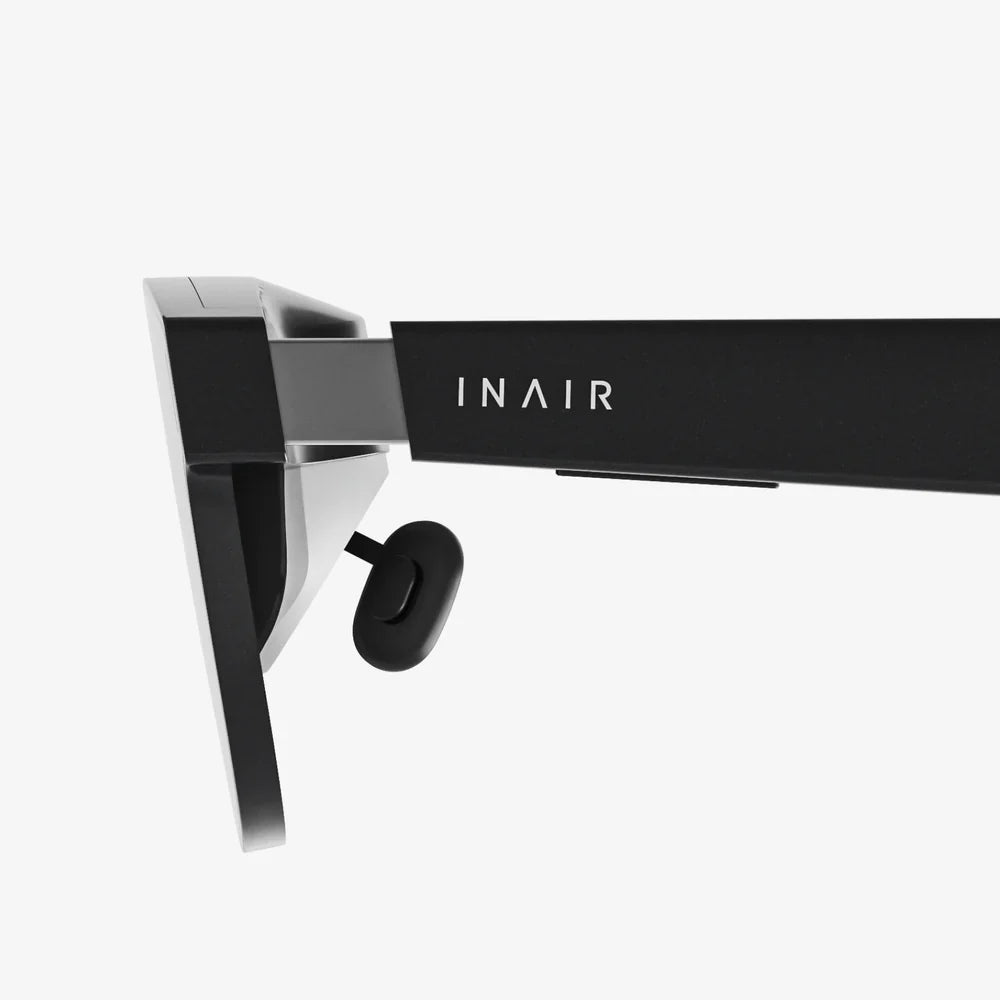
You feel it after a long day: the dry, gritty sensation, the subtle throb behind your eyes, the world seeming just a bit too bright. It’s the toll of modern life, a tax levied by the countless hours we spend bathed in the glow of our digital devices. But what if the solution was as simple as the glasses on your face? This isn't science fiction; it's the practical, powerful reality of screen eye glasses, a technological marvel designed not just to correct vision, but to shield it from the digital onslaught.
The Digital Assault on Our Eyes: Understanding the Problem
To appreciate the value of screen eye glasses, one must first understand the unique challenges posed by our screens. Unlike natural light or traditional ambient lighting, digital screens emit a specific spectrum of light, particularly high-energy visible (HEV) blue light. This light is short-wavelength and high-energy, meaning it flickers more easily and scatters more readily within the eye than other visible light. This scattering creates visual noise, reducing contrast and forcing our eyes to work significantly harder to maintain focus.
This phenomenon is the primary driver of a collection of symptoms known collectively as Digital Eye Strain or Computer Vision Syndrome. The American Optometric Association estimates that a staggering 50-90% of computer users experience some form of this condition. The symptoms are all too familiar:
- Eyestrain and fatigue
- Headaches, often centered around the temples and forehead
- Dry, irritated, or red eyes
- Blurred or double vision
- Difficulty focusing after looking away from the screen
- Neck and shoulder pain, often from poor posture adopted to compensate for visual discomfort
Beyond the immediate discomfort, the long-term implications of chronic blue light exposure are a growing area of scientific concern. Research suggests that prolonged exposure, especially in the evening, can significantly suppress the production of melatonin, the hormone responsible for regulating our sleep-wake cycle. This disruption can lead to poor sleep quality, insomnia, and the cascade of health issues associated with chronic sleep deprivation. Furthermore, while more research is needed, some studies indicate that cumulative blue light exposure may contribute to an increased risk of age-related macular degeneration (AMD), a leading cause of permanent vision loss.
How Screen Eye Glasses Work: The Science of Clarity and Protection
Screen eye glasses are engineered with sophisticated lens technology to act as a multifaceted shield against these digital aggressors. They are far more than just a tinted lens; they are a precision optical tool.
The Blue Light Filter: The Primary Defense
The most critical feature is the integrated blue light filter. This is not a simple dark tint. Advanced lens coatings are designed to selectively filter out a significant portion of the most harmful HEV blue light wavelengths (typically in the 400-455 nm range) emitted by LEDs, smartphones, tablets, and computer monitors. This filtering is achieved through two primary methods:
- Coating-Based Filters: A microscopic, multi-layer coating is applied to the surface of the lens. This coating reflects a portion of the blue light away from the eye. These lenses often have a slight blue, purple, or green reflective tint when seen from the outside.
- Material-Embedded Filters: The filtering agent is built directly into the lens material itself. These lenses typically appear completely clear and colorless to the wearer and others, offering protection without altering the aesthetics of the glasses.
By reducing the amount of blue light reaching the retina, these filters help to minimize glare, increase contrast, and drastically reduce the scattering effect that causes eye strain. The result is a more relaxed viewing experience, allowing your ocular muscles to work less frantically.
The Anti-Glare Coating: Enhancing Visual Comfort
Often used in conjunction with blue light filtering, an anti-reflective (AR) or anti-glare coating is almost always a standard feature on quality screen glasses. This coating minimizes reflections from the front and back surfaces of the lenses. Without it, light sources from behind you or overhead would create distracting reflections on your lenses, forcing your pupils to constantly adjust between the bright screen and the dark reflections. The AR coating ensures that more light passes through the lens directly to your eye, eliminating these competing light sources and providing a cleaner, sharper, and more comfortable field of view.
Optimized for Intermediate Distance
Traditional reading glasses are designed for the short range of a book held in your hands. Computer screens, however, are typically positioned at an "intermediate" distance—further away than a book but closer than driving distance. Many screen eye glasses are designed with this specific intermediate zone in mind. They can include a slight prescription power (even for those who normally have 20/20 vision) to help the eyes focus effortlessly at this exact distance, reducing the focusing strain that contributes to fatigue. For those who already wear prescription lenses, optometrists can create specialized computer glasses with this optimized intermediate zone.
Who Truly Needs Screen Eye Glasses? Beyond the Obvious
The straightforward answer is: almost anyone who uses digital devices for more than two hours a day. However, some groups stand to benefit more profoundly.
- The Office Professional: For the millions who spend eight or more hours daily working on a computer, screen glasses are not a luxury; they are a vital piece of ergonomic equipment, as important as an adjustable chair and proper keyboard placement.
- Gamers and Content Creators: These individuals engage in marathon sessions of intense visual concentration. Screen glasses can be the difference between a productive, enjoyable session and one cut short by pounding headaches and blurred vision.
- Students of All Ages: From elementary school children using tablets for learning to university students pulling all-nighters researching on a laptop, their developing eyes are particularly vulnerable. Protecting them during formative years is crucial.
- The Constantly Connected: If your day is a cycle of checking your smartphone, scrolling through social media, watching videos on a tablet, and then relaxing by watching television, your cumulative exposure is immense. Screen glasses help manage this constant barrage.
- Individuals Post-Cataract Surgery: The natural lens of the eye offers some protection against UV and blue light. After cataract surgery, the artificial lens implanted may not provide the same level of filtration, making supplemental protection from screen glasses especially important.
Selecting the Right Pair: A Buyer's Guide
Not all screen glasses are created equal. When considering a pair, several factors should guide your decision to ensure you get the maximum benefit.
1. Lens Quality and Filtering Percentage: The efficacy of the blue light filter is paramount. Look for products that specify the percentage of blue light filtered, particularly in the harmful HEV spectrum. A quality pair will typically filter between 30% to over 90% of this light. Be wary of vague marketing claims without technical backing.
2. Prescription vs. Non-Prescription (Plano): Screen glasses are widely available without a prescription (plano) for those with naturally good vision. However, if you already require vision correction, it is highly advisable to consult with an eye care professional. They can create a custom pair that combines your precise prescription with the blue light filtering and anti-glare technology, often optimized for that critical intermediate computer distance.
3. Lens Color and Clarity: While embedded filters are clear, coating-based filters can sometimes impart a very slight yellow, amber, or rose tint to the lens. This tint actually enhances contrast by blocking blue light, which can be particularly beneficial for gamers or designers working with color-sensitive tasks. For most office work, a clear lens is preferred for true color perception.
4. Fit and Comfort: Since you'll likely be wearing these for extended periods, frame comfort is non-negotiable. Look for lightweight materials and adjustable nose pads. Full-frame styles offer maximum protection from peripheral light, while semi-rimless or rimless styles offer a more minimalist aesthetic.
5. Additional Coatings: Consider lenses that also include scratch-resistant and hydrophobic (water-repelling) coatings. These will keep your glasses cleaner and clearer for longer, ensuring optimal performance day after day.
Integrating Screen Glasses into a Holistic Eye Health Strategy
While powerful, screen eye glasses are not a magic bullet. They work best as part of a broader strategy for digital wellness. Adopting healthy habits will compound their benefits and further protect your vision.
The 20-20-20 Rule: This is the golden rule of digital eye care. Every 20 minutes, look away from your screen and focus on something at least 20 feet away for a full 20 seconds. This simple practice gives your focusing muscles a crucial break.
Optimize Your Workspace: Ensure your screen is positioned about an arm's length away, with the center of the monitor slightly below your eye level. Adjust brightness and contrast to comfortable levels—your screen shouldn't be the brightest light source in the room. Increase text size to avoid squinting.
Mindful Blinking and Hydration: We blink significantly less often when staring at a screen, leading to dry eyes. Make a conscious effort to blink fully and regularly. Consider using lubricating eye drops if dryness persists, and stay hydrated throughout the day.
Embrace Night Mode: Most devices now have a built-in "Night Shift" or "Blue Light Reduction" mode that warms the color temperature of the display. Use this feature religiously in the evenings to further minimize melatonin disruption. Screen glasses provide a constant, physical filter, while this software solution is an excellent supplemental practice.
Regular Comprehensive Eye Exams: There is no substitute for professional care. Regular check-ups with an eye care professional are essential to monitor your eye health, update prescriptions, and discuss the best strategies, including screen glasses, for managing your digital life.
The digital world is not going away, and our reliance on its screens will only deepen. But we don't have to accept the accompanying discomfort and potential long-term consequences as an inevitable cost of doing business. Screen eye glasses represent a profound intersection of optical science and modern necessity. They are a simple, elegant, and incredibly effective tool that empowers us to reclaim comfort, protect our most precious sense, and engage with the digital world on our own terms. Investing in a pair is an investment in your immediate well-being and your vision's future, ensuring that you can see clearly, work comfortably, and sleep soundly in the glowing heart of the digital age.
Share:
Smart Sunglasses with Display: The Future on Your Face is Here
Augmented Reality AR Testing: The Critical Frontier for Seamless Digital Overlays