


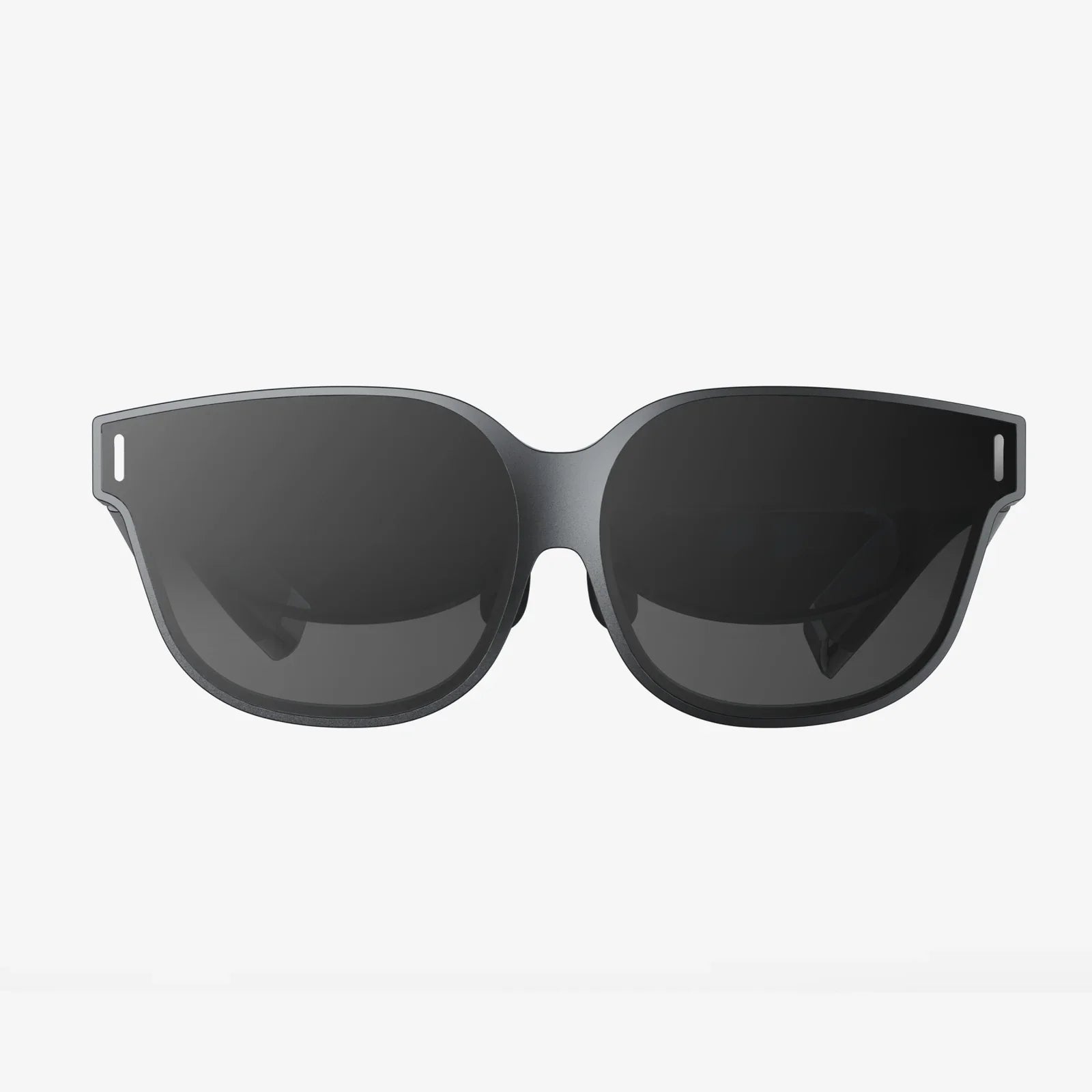
You’ve felt it after a long day: that gritty, tired feeling behind your eyes, the dull headache creeping in from your temples, the struggle to fall asleep after hours spent scrolling. It’s the undeniable toll of our digital lives, a silent tax levied by the very devices that connect us to the world. But what if a simple, elegant solution sat right on the bridge of your nose, offering a shield against the relentless glow of your screens? This is the promise, the potential, and the science behind screen light glasses.
The Digital Dawn and Its Unseen Cost
Our world is illuminated by screens. From the moment we wake to the gentle glow of a smartphone alarm to the late-night movie streamed on a tablet, we are bathed in an artificial luminescence that is both a marvel of modern engineering and a source of significant physiological stress. The average adult now spends over six hours a day looking at digital devices, a number that has skyrocketed in recent years. This constant exposure has given rise to a collection of symptoms so common they have their own medical term: Digital Eye Strain, or Computer Vision Syndrome.
The symptoms are a familiar chorus for many: eyestrain, blurred vision, dry and irritated eyes, and even neck and shoulder pain. But the impact goes deeper than mere physical discomfort. The primary culprit behind these issues is High-Energy Visible (HEV) light, often called blue light, which is emitted in significant quantities by LEDs, the technology behind most modern screens.
Beyond the Strain: The Blue Light and Sleep Connection
While eye strain is the most immediate complaint, the most profound effect of screen-emitted blue light is its disruptive influence on our circadian rhythms—our natural sleep-wake cycle. Our bodies are finely tuned to the natural light of the sun. The blue-rich light of morning signals our brains to suppress melatonin, a hormone that promotes sleep, and boosts cortisol, making us alert and awake. As the day progresses into evening, natural light becomes warmer and redder, signaling the pineal gland to ramp up melatonin production and prepare the body for rest.
Staring at a bright, blue-light-emitting screen at night effectively tricks our brains into thinking it’s still midday. This suppresses melatonin production, delays the onset of sleep, reduces the overall amount of REM sleep, and compromises sleep quality. The result? We not only struggle to fall asleep but we wake up feeling less rested, which can impact mood, cognitive function, and long-term health.
How Screen Light Glasses Create a Sanctuary for Your Eyes
This is where screen light glasses enter the picture. They are not merely tinted lenses; they are a sophisticated optical filter designed to intervene in the process of digital eye strain and circadian disruption. They function on two primary fronts: filtering and comfort.
The Science of Selective Filtering
Most screen glasses utilize a specially engineered coating that selectively filters a portion of the blue light spectrum, specifically the higher-energy wavelengths between approximately 400-455 nanometers, which are most strongly linked to eye strain and melatonin suppression. This coating is often a subtle yellow or amber tint, though many modern options are nearly clear, filtering light without significantly distorting color perception—a crucial feature for designers, photographers, and anyone who requires accurate color vision.
By attenuating this harsh light, these glasses reduce the visual glare and high-energy exposure that causes pupils to constrict and eyes to work harder. This filtering dramatically increases contrast on digital displays, making text appear sharper and reducing the need for your eyes to constantly refocus, which is a major contributor to fatigue.
Enhancing Visual Comfort
Beyond filtering, many screen glasses incorporate other features to maximize comfort. An anti-reflective (AR) coating is standard, which minimizes reflections from the front and back surfaces of the lenses that can contribute to glare. Some models also include a slight magnification (a low-power reading addition) tailored for the specific distance at which we hold phones and laptops, reducing the focusing burden on the eye’s internal lens, a muscle that can become fatigued just like any other.
Debunking Myths and Setting Realistic Expectations
As with any wellness product, it’s important to separate fact from marketing fiction. One common misconception is that screen glasses must block 100% of blue light to be effective. This is not only unnecessary but potentially counterproductive. Blue light during the day is natural and beneficial for maintaining alertness and a healthy circadian rhythm. The goal is not to eliminate blue light entirely but to mitigate the excessive, ill-timed exposure from artificial sources, particularly in the evening.
Furthermore, screen light glasses are a powerful tool, but they are not a magical cure-all. They should be part of a holistic approach to digital wellness that includes conscious habits. They work in tandem with practices like the 20-20-20 rule (looking 20 feet away for 20 seconds every 20 minutes), conscious blinking to combat dryness, and adjusting screen brightness and color temperature settings, a feature now built into most operating systems as a "night shift" or "blue light filter" mode.
Who Stands to Benefit the Most?
While virtually anyone who uses digital devices can experience relief from screen glasses, certain groups may find them particularly transformative.
- The Office Professional: For those spending eight or more hours daily on spreadsheets, video calls, and documents, the reduction in end-of-day fatigue can be profound.
- The Avid Gamer: Marathon gaming sessions are notoriously hard on the eyes. Glasses can reduce glare and eye strain, allowing for longer, more comfortable play.
- The Night Owl Student: Anyone burning the midnight oil to study or complete projects can protect their sleep cycle by filtering blue light in the late hours.
- Individuals Post-Cataract Surgery: The natural lens of the eye offers some protection against UV and blue light. After cataract surgery, an artificial lens is implanted, and while many now offer some blue light filtering, supplemental glasses can provide an extra layer of defense.
- Those with Pre-existing Eye Conditions: People who suffer from chronic dry eye or are prone to migraines often find that screen light significantly exacerbates their symptoms. Glasses can serve as a proactive barrier.
Integrating Screen Glasses into a Healthy Digital Lifestyle
Adopting screen glasses is a simple step, but maximizing their benefit involves mindful integration into your daily routine. Consider having a dedicated pair at your desk for work hours. For those concerned with aesthetics, the market offers a wide array of stylish frames with nearly clear lenses, making them indistinguishable from standard eyewear. The most critical usage window is typically the 2-3 hours before bedtime. Wearing them while watching television or scrolling through your phone in the evening can significantly improve your body’s ability to wind down and prepare for restorative sleep.
It’s also advisable to combine them with software-based solutions. Using the built-in night mode on your devices all day can make colors unnaturally warm, but scheduling it to activate automatically around sunset, while wearing your glasses, creates a powerful one-two punch against circadian disruption.
Imagine finishing your workday without that familiar pressure behind your eyes, or reading a novel on your tablet in bed and actually feeling sleepy when you turn out the light. Picture a world where your technology serves you without the accompanying ache. Screen light glasses are more than an accessory; they are a statement of intentionality, a small but powerful declaration that you are taking control of your well-being in a digitally saturated world. They are the barrier between you and the glare, allowing you to harness the power of your devices while protecting your most valuable connection to the world—your eyes.
Share:
Smart Sunglasses App: The Ultimate Guide to Unlocking Your Wearable's Full Potential
Top Smart Sunglasses: The Ultimate Guide to Tech-Infused Eyewear