


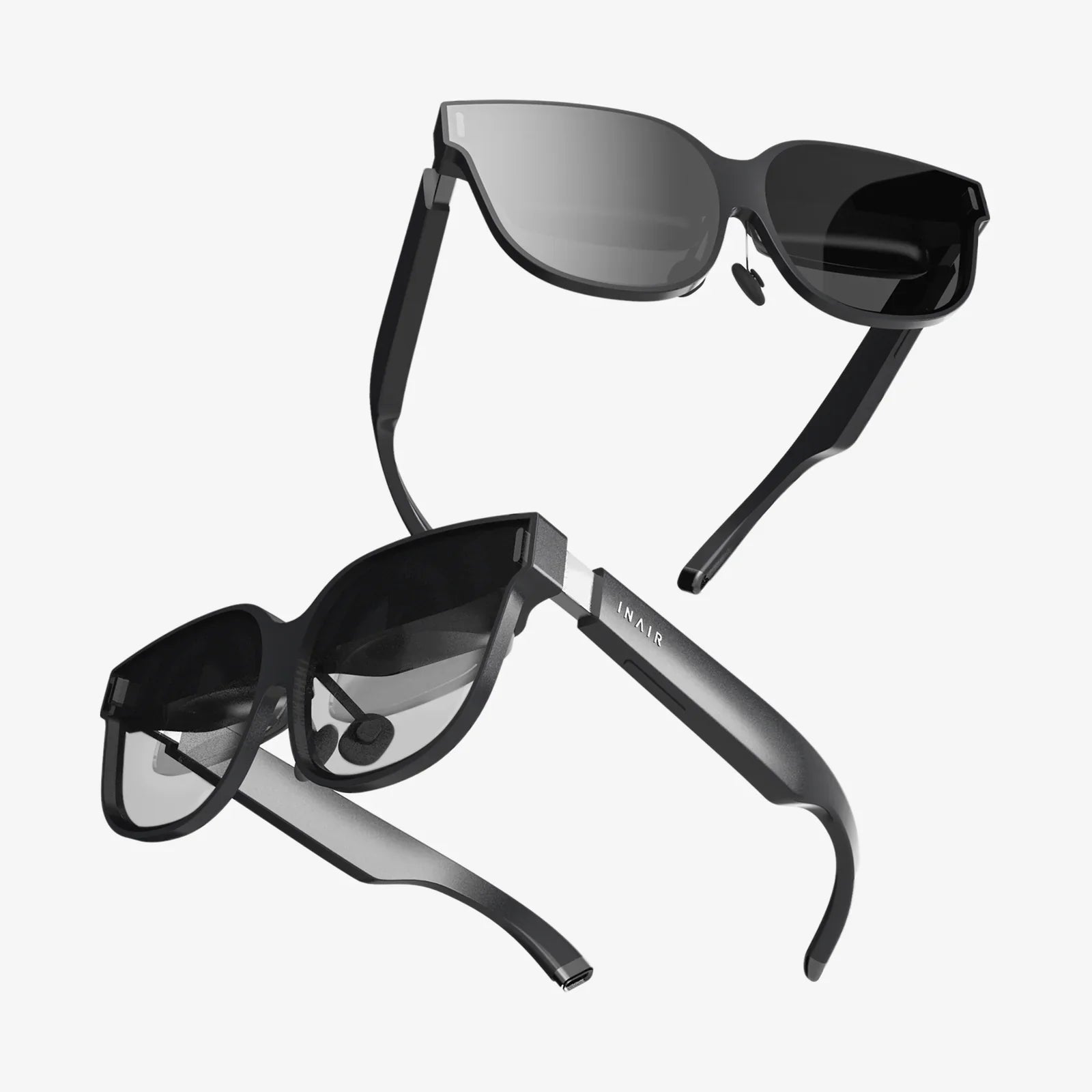
Imagine a world where your sunglasses do more than just shield your eyes from the sun. A world where they are a seamless extension of your digital life, a personal assistant on your face, and a gateway to an augmented layer of reality. This is no longer the realm of science fiction; it is the present and future being shaped by the emergence of top smart sunglasses. This wearable technology category is rapidly evolving, merging high-fashion aesthetics with powerful computing to create a product that is as much about statement-making style as it is about groundbreaking functionality. For the tech enthusiast, the fashion-forward individual, and the perpetually connected professional, these devices represent a new frontier in personal technology, offering a glimpse into a hands-free, screen-less future.
The Convergence of Fashion and Function
The most successful examples of top smart sunglasses understand a fundamental truth: if they don't look good, people won't wear them. The first generation of wearable tech often suffered from a clunky, utilitarian design that prioritized function over form. Today, the industry has matured. Leading designs are indistinguishable from high-end traditional sunglasses, crafted from premium materials like acetate, stainless steel, and titanium. The technological components—the microprocessors, batteries, sensors, and speakers—are miniaturized and meticulously integrated into the arms and frames, becoming virtually invisible to the casual observer. This meticulous attention to design ensures that the wearer enjoys the benefits of advanced technology without compromising on personal style, making them a viable accessory for any occasion, from a day at the beach to a important business meeting.
Core Technologies Redefining the Experience
Beneath the stylish exterior of top smart sunglasses lies a sophisticated array of technologies working in concert. The core experience is typically built around several key features:
Advanced Audio Integration
One of the most popular and practical features is open-ear audio. Instead of placing speakers inside the ear canal, these sunglasses use miniaturized transducer technology or directional speakers built into the frames. They create sound waves that are directed into the ear, allowing the wearer to listen to music, take calls, and hear navigation prompts while still being fully aware of their surroundings. This is a significant safety advantage for runners, cyclists, and city dwellers, as it eliminates the auditory isolation of traditional earbuds. The sound quality has improved dramatically, offering rich, clear audio for personal listening without bothering those nearby.
Seamless Connectivity
Bluetooth connectivity is the lifeblood of these devices, tethering them wirelessly to a smartphone. This allows for effortless management of calls, music, and other audio content directly from the sunglasses. Many models feature intuitive touch controls swiped along the arms or voice assistant integration for completely hands-free operation. This untethers the user from their phone, allowing them to stay connected and entertained while their device remains in a pocket or bag.
Intelligent Voice Assistance
Integrating a voice assistant directly into the frame transforms top smart sunglasses into a powerful, on-the-go tool. With a simple voice command, users can set reminders, send messages, get directions, control smart home devices, or ask for information. This creates a truly immersive and interactive experience that feels far more natural and less intrusive than constantly looking at a screen.
Beyond Audio: The Cutting Edge of Augmentation
While audio features are now commonplace, the true vanguard of top smart sunglasses is pushing into visual augmentation. This involves overlaying digital information onto the real world, a concept known as augmented reality (AR).
Heads-Up Display (HUD) Technology
The holy grail for many developers is integrating a micro-display that projects information directly onto the lens. Imagine seeing turn-by-turn navigation floating on the road ahead, real-time translation of foreign street signs, or performance metrics during a workout—all without ever looking down. Early implementations of this technology are already here, using laser projectors and waveguides to etch images onto the lens. While current field-of-view and brightness challenges remain, the potential is staggering for industries ranging from logistics and manufacturing to tourism and gaming.
Integrated Cameras for a First-Person View
Some high-end models incorporate discreet HD cameras, enabling hands-free photography and videography. This is a boon for content creators, athletes, and travelers who want to capture their perspective without holding a device. The ethical and privacy implications of wearable cameras are a topic of ongoing discussion, leading most manufacturers to include clear recording indicators to notify subjects.
Prioritizing Eye Health and Protection
It is crucial to remember that, first and foremost, these are sunglasses. Top smart sunglasses do not neglect their primary duty: protecting the eyes from harmful ultraviolet radiation. Reputable models feature polarized lenses with 100% UVA and UVB protection, reducing glare and enhancing visual clarity in bright conditions. Furthermore, the integration of technology offers new avenues for health monitoring. Future iterations could potentially include sensors to monitor UV exposure levels, alerting the wearer when it's time to seek shade, or even using micro-cameras to analyze retinal health over time.
Navigating the Considerations: Battery, Privacy, and Price
As with any technology, there are important factors to weigh before investing in a pair of top smart sunglasses.
Battery Life and Charging
The addition of technology inevitably demands power. Battery life varies significantly between models, typically ranging from 3-4 hours of continuous use with audio to a full day on a single charge for some. Most charge via a proprietary magnetic or USB-C charging case. For heavy users, battery life is a key specification to scrutinize, as running out of power mid-day can revert them to being just regular sunglasses.
Data Privacy and Security
Devices with always-on microphones and cameras understandably raise privacy concerns. It is paramount to research how a company handles user data. Reputable brands are transparent about their data policies, often processing voice commands locally on the device rather than streaming them to the cloud, and providing physical camera shutoff switches to give users full control.
Investment and Value Proposition
Top smart sunglasses represent a significant investment, often costing several times more than a premium pair of traditional sunglasses. The value proposition lies in the convergence of multiple devices into one: you are effectively purchasing high-quality sunglasses, wireless headphones, and a wearable tech interface simultaneously. For those who value convenience, innovation, and cutting-edge style, the cost can be justified.
The Future is Clear and Connected
The trajectory of top smart sunglasses points toward even deeper integration into our daily lives. We can anticipate advancements in biometric sensors for health and wellness tracking, more sophisticated and brighter AR displays, improved battery technology, and AI that becomes more contextual and predictive. As the underlying components become smaller, cheaper, and more power-efficient, we will see this technology trickle down into more affordable and diverse styles, moving from a niche product to a mainstream accessory.
The era of passive eyewear is coming to an end. Top smart sunglasses are heralding a new category of personal technology that empowers the user, enhances reality, and redefines what is possible from an accessory we've worn for centuries. They are not just a gadget; they are a platform, a window into a connected world, and a bold statement that the future of tech isn't in your hand—it's on your face.
Share:
Screen Light Glasses: Your Ultimate Defense Against Digital Eye Strain
Augmented Reality What Is It: A Comprehensive Guide to the Digital Overlay