


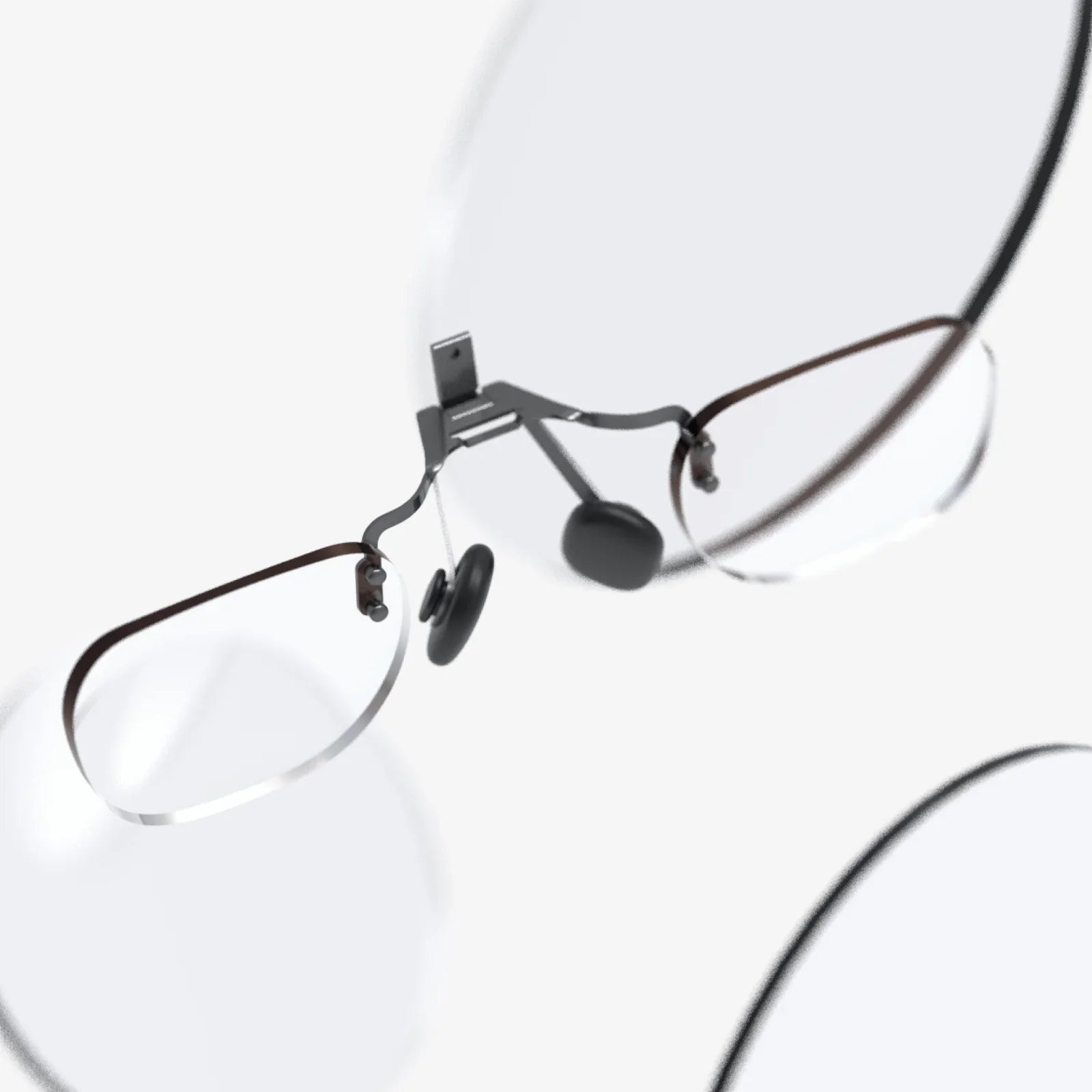
You feel it after a long day: the gritty, tired sensation behind your eyes, the subtle throb at your temples, the struggle to focus as the sun sets. Your world is digital, your work is on a screen, and your relaxation often is too. But what if the very tool that connects you to everything is slowly disconnecting you from your comfort and well-being? This is the modern paradox for millions of women, and a silent revolution is underway in the form of elegantly engineered screen time glasses for women. This isn't just about another accessory; it's about reclaiming visual comfort in a pixelated world.
The Digital Landscape and the Modern Woman's Eyes
The average professional spends upwards of seven hours a day staring at a digital device. For women, this time is often compounded by the multifaceted nature of modern life—juggling careers, managing households, and maintaining social connections, all of which are increasingly mediated through screens. This constant exposure subjects the eyes to high-energy visible (HEV) blue light, a short-wavelength light emitted by LEDs, smartphones, tablets, and computer monitors.
Unlike ultraviolet light, which is mostly absorbed by the cornea and lens, blue light penetrates all the way to the retina. Prolonged, unfiltered exposure can lead to a condition known as Digital Eye Strain (DES) or Computer Vision Syndrome. Symptoms are all too familiar:
- Eye strain and fatigue
- Dry or irritated eyes
- Blurred vision
- Difficulty focusing
- Headaches
- Neck and shoulder pain
- Even potential disruption to circadian rhythms, impacting sleep quality
For women, whose eyes can be physiologically different—sometimes more prone to dryness due to hormonal fluctuations—the effects of screen time can be particularly pronounced. The need for a dedicated, protective solution is not a luxury; it is a necessity for long-term ocular health.
Beyond the Blue Light: The Science of Spectral Filtering
While the term "blue light glasses" is commonplace, the technology in high-quality screen time glasses is far more nuanced. It's not about blocking all blue light, which is naturally present in sunlight and helps regulate mood and wakefulness. Instead, it's about selective filtration.
Premium lenses are engineered to filter a significant portion of the most potent high-energy blue-violet light (approximately 400-455 nm) while allowing less harmful blue-turquoise light to pass through. This targeted approach is achieved through various methods:
- Integrated Filtering: The filtering capability is built directly into the lens material itself. This is a permanent solution that doesn't wear off and provides consistent protection.
- Surface Coating: A special anti-reflective coating is applied to the lens surface. This multi-layer coating is designed to reflect harmful blue light away from the eye while minimizing glare from overhead lighting and screens.
The result is a lens that maintains excellent color neutrality and clarity—a crucial factor for designers, editors, and anyone whose work requires accurate color perception—while significantly reducing the optical energy reaching the retina. This reduction in glare and high-energy light allows the eye's focusing system to work with less effort, thereby alleviating strain.
A Fusion of Form and Function: Design Tailored for Women
Historically, functional eyewear was often clunky, overtly technical, and devoid of style. Screen time glasses for women have shattered that stereotype. Recognizing that eyewear is a fundamental part of personal style, designers have created collections that are as chic as they are scientific.
The design philosophy centers on a woman's unique facial structure and aesthetic preferences. This includes:
- Proportional Sizing: Frames are designed with proportions that complement a typically smaller, narrower facial structure, ensuring a comfortable fit across the nose bridge and temples without slipping.
- Lightweight Materials: The use of advanced acetates, lightweight metals, and flexible hinges ensures all-day comfort, even during marathon virtual meetings or binge-watching sessions.
- Style-Conscious Shapes: From classic cat-eyes and sophisticated rectangles to modern geometric and minimalist round shapes, the variety is vast. There are options that convey professional authority in the boardroom and frames that are perfect for a relaxed, off-duty look.
- A Palette of Possibilities: The color ranges extend far beyond basic black or tortoiseshell. Think translucent pastels, vibrant jewel tones, two-tone acetates, and metallic finishes—allowing for self-expression and complementing any wardrobe.
This commitment to design means that these glasses are not something you reluctantly put on at your desk; they are a seamless part of your daily ensemble, a statement of savvy self-care.
Who Truly Benefits? Identifying the Need
While virtually any woman who uses a digital device can benefit, certain groups will find screen time glasses particularly transformative:
- The Corporate Professional: For those in office settings or working remotely, hours spent on video calls, reviewing spreadsheets, and writing reports are the primary source of eye strain. These glasses can turn a day of screen work from draining to manageable.
- The Creative and Content Creator: Graphic designers, video editors, photographers, and writers rely on sharp vision and color accuracy. Glasses with high-quality, color-neutral lenses protect their most valuable tool—their eyes—without compromising their work product.
- The Student and Academic: Endless hours of research, online classes, and writing papers demand intense visual focus. Reducing strain can improve concentration and endurance during long study sessions.
- The Gamer and Entertainment Enthusiast: Immersive gaming sessions or movie marathons expose the eyes to sustained blue light, often during evening hours when it can most disrupt sleep patterns. Amber-tinted lenses for evening use can help mitigate this effect.
- The Menopausal Woman: Fluctuating hormones can lead to increased dry eye syndrome. Screen time, which naturally reduces blink rate, exacerbates this. Protective glasses with a slight magnification (a reader power) can ease focusing strain and alleviate discomfort.
Integrating Screen Time Glasses into a Holistic Eye Care Routine
Screen time glasses are a powerful tool, but they are most effective as part of a broader strategy for digital wellness. Think of them as the cornerstone of a holistic approach to eye care:
- The 20-20-20 Rule: Every 20 minutes, look at something 20 feet away for at least 20 seconds. This simple practice gives your eyes' focusing muscles a critical break.
- Mindful Blinking: We blink significantly less often when staring at a screen. Make a conscious effort to blink fully and frequently to keep the ocular surface lubricated.
- Optimize Your Workspace: Position your screen so it's about an arm's length away, with the top of the monitor at or slightly below eye level. Adjust brightness and contrast to comfortable levels and minimize glare from windows and lights.
- Regular Eye Exams: Schedule comprehensive dilated eye exams regularly. An eye care professional can not only prescribe corrective lenses if needed but also check for early signs of eye conditions that might be exacerbated by blue light exposure.
- Night Mode Settings: Utilize the built-in blue light shifting features on your devices (e.g., Night Shift on iOS, Night Light on Android) for evening use, pairing them with your glasses for maximum effect.
Your screen time glasses become the constant, wearable layer of protection that works in tandem with these healthy habits.
Navigating the Selection Process: What to Look For
With a growing market, choosing the right pair can feel daunting. Focus on these key factors to make an informed decision:
- Lens Quality and Technology: Prioritize lenses that specify the percentage of blue light filtered (look for filters of 40% or more of the harmful spectrum) and that emphasize color accuracy. Avoid lenses with a strong yellow or orange tint for all-day use unless specifically desired for evening.
- The Right Fit: Comfort is non-negotiable. The frames should sit snugly without pinching your nose or temples. The arms should be long enough to rest comfortably over your ears without bowing out.
- Prescription Compatibility: If you require vision correction, the best screen time glasses for women will accommodate your prescription. You can have the blue light filtering technology integrated into single-vision, bifocal, or progressive lenses.
- Durability and Warranty: Look for scratch-resistant coatings and consider the durability of the frame materials. A good warranty can provide peace of mind.
- Trusted Sources: While many options exist online, consulting with an optician or eye care professional can provide invaluable guidance. They can help you select a frame that fits your face perfectly and ensure the lenses are crafted to the highest optical standards.
Remember, this is an investment in your health and daily comfort. The goal is to find a pair you love wearing so much that you never want to take them off.
Imagine ending your workday without that familiar pressure behind your eyes, feeling ready to enjoy your evening rather than retreating into a dark room. Picture waking up feeling more refreshed because your sleep was undisturbed by the spectral remnants of a late-night scroll. This is the promise held in a carefully crafted pair of glasses—a small, stylish shield against the demands of a connected life. The future of digital wellness is clear, comfortable, and undoubtedly chic, waiting for you to try it on.
Share:
What The Best VR Headset Offers in 2024: A Deep Dive Into Immersive Technology
Best Cheap VR Headset: A Comprehensive Guide to Affordable Immersion