


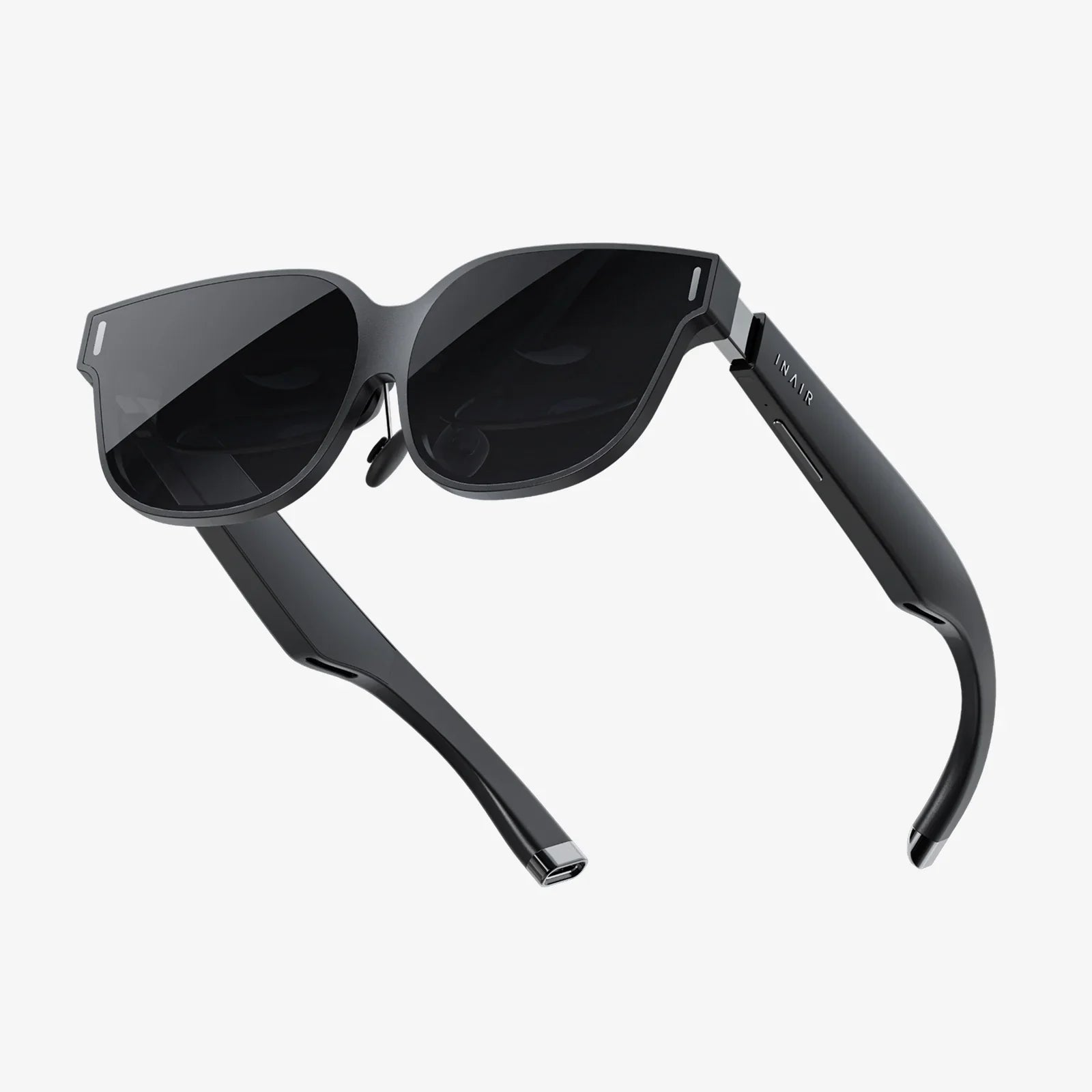
You’ve seen the future, and it’s wearing a headset. The promise of virtual reality has shifted from science fiction to a tangible, breathtaking experience that can transport you to other worlds, train you for a new job, or connect you with friends across the globe. But with a market flooded with options, each boasting a different set of specs and features, the central question remains: what separates a good VR headset from the truly best VR headset? The answer isn't found in a single brand or model, but in a combination of technological excellence, user-centric design, and immersive potential that aligns perfectly with your expectations.
The Pillars of VR Excellence: What Truly Matters
To understand what makes a headset great, we must move beyond marketing jargon and focus on the core components that directly shape your experience inside the virtual realm. These are the non-negotiable pillars that define the upper echelon of VR hardware.
Visual Fidelity: The Window to Another World
The primary goal of VR is to trick your brain into believing the digital is real, and that illusion starts with what you see. Visual fidelity is paramount, and it's governed by several key factors.
Resolution and Pixel Density (PPI): Simply put, higher resolution means a sharper, clearer picture with less of the "screen door effect"—that distracting grid of lines between pixels that can shatter immersion. The best VR headsets boast high-resolution displays for each eye, often exceeding 4K combined, ensuring text is readable and distant objects are well-defined.
Lens Quality and Clarity: The displays are only part of the story. The lenses placed between your eyes and the screens are responsible for focusing the image correctly. Fresnel lenses have been common, but the latest premium headsets are moving to pancake lenses. These advanced optics allow for a much slimmer headset design and provide a significantly larger "sweet spot"—the area where the image remains perfectly clear without needing constant adjustment.
Field of View (FoV): A narrow field of view can feel like looking through a pair of binoculars. A wide FoV, ideally over 100 degrees, expands your peripheral vision, deepening the sense of presence and making the virtual world feel vast and all-encompassing.
Refresh Rate: Measured in Hertz (Hz), the refresh rate determines how smoothly motion appears. A higher refresh rate (90Hz and above, with 120Hz becoming the new standard for high-end devices) is crucial for comfort. It reduces motion blur and, critically, minimizes the risk of VR-induced nausea, allowing for longer, more enjoyable sessions.
Tracking Precision: Your Body in the Virtual Space
For VR to feel responsive and natural, the headset must accurately track your movements—both the orientation of your head and the position of your hands.
Inside-Out vs. Outside-In Tracking: Modern headsets predominantly use inside-out tracking, where cameras mounted on the headset itself scan your environment to track its position and that of the controllers. This eliminates the need for external base stations or sensors placed around your room, offering a fantastic blend of convenience and accuracy. The best implementations of this technology are incredibly robust, tracking complex movements even at the edges of your vision.
Controller Design and Haptics: Your controllers are your hands in VR. The best ones are ergonomic, feel natural to hold, and offer precise, lag-free tracking. Furthermore, advanced haptic feedback goes beyond simple vibration, providing nuanced sensations like the gentle pull of a bowstring, the recoil of a weapon, or the tactile click of a virtual button. This sensory feedback is a huge leap forward for immersion.
Comfort and Ergonomics: Forgetting You're Wearing It
The most technologically advanced headset is worthless if it's a pain to wear. Comfort is a feature that is often underestimated until you're trying to enjoy a two-hour gaming session or a full-length movie.
Weight Distribution: It's not just about being light; it's about how the weight is balanced. A front-heavy device will strain your neck and face. The best designs use counterweights or a well-designed strap system (like a rigid halo strap or an elasticated top strap) to distribute weight evenly across your head, not just on your face.
Materials and Adjustability: Plush, breathable facial interfaces (often made of materials like silicone or hypoallergenic foam) are essential. A wide range of IPD (Interpupillary Distance) adjustment, both software-based and mechanical, is critical for users to align the lenses with their eyes for a clear and comfortable view.
Audio: The Unseen Half of Immersion
3D spatial audio is what completes the illusion. Hearing a sound and instinctively knowing its location and distance behind you, above you, or to your side is a powerful tool for presence. The best solutions often use off-ear speakers or high-quality built-in headphones that deliver rich, directional sound while allowing you to remain aware of your real-world surroundings if desired.
The Ecosystem: The World Beyond the Hardware
A headset is merely a gateway; its value is defined by the worlds it can access. The software and content ecosystem are just as important as the physical device.
Content Library: Games, Apps, and Experiences
What can you actually *do* with it? A robust library of high-quality, exclusive titles is a massive advantage. This includes not only blockbuster games but also creative tools, social platforms, fitness applications, and professional software for design and architecture. The best VR headset for you is one that has a steady stream of content you want to engage with.
Performance and Processing Power
There are two main paths here: standalone and PC-powered (tethered).
Standalone Headsets: These are all-in-one units with a mobile processor, battery, and everything needed to run VR built right in. They offer unparalleled freedom and ease of use—no wires, no powerful computer required. The trade-off is that graphical fidelity is necessarily lower than what a high-end gaming PC can produce.
PC-Powered (Tethered) Headsets: These devices act as a display for a nearby gaming computer. They are connected via a cable (or increasingly, a high-quality wireless solution) and leverage the immense processing power of the PC to deliver the absolute highest-fidelity visuals and most complex simulations. This is the domain of the hardcore gamer and professional user.
The line is blurring, as some standalone headsets can also connect to a PC, offering the best of both worlds: portable convenience and access to premium, high-performance content when desired.
Defining Your "Best": It's a Personal Equation
There is no single "best" headset for everyone. The ultimate choice is a personal calculation based on your priorities, budget, and existing hardware.
- The Hardcore Gamer & Enthusiast: Your "best" prioritizes raw performance. You'll value a high refresh rate, maximum resolution, a wide field of view, and a tether to a powerful gaming PC above all else. Comfort for long sessions is also non-negotiable.
- The Fitness & Wellness User: Your priorities are comfort, hygiene (easy-to-clean materials), and a strong library of fitness apps. A lightweight, secure, and well-ventilated standalone headset is likely your ideal match.
- The Social Explorer & Casual User: You want an accessible, easy-to-use device with a fantastic social and creative app library. A standalone headset with inside-out tracking, a simple setup, and intuitive controls is your gateway.
- The Professional & Creator: Your needs are niche. You might require ultra-high resolution for detailed CAD work, precise eye and face tracking for realistic avatars in meetings, or specific enterprise software support. Your "best" is defined by professional features, reliability, and support.
The Future is Already Here
The trajectory of VR is incredibly exciting. We are already seeing the emergence of technologies that will define the next generation of headsets. Varifocal displays that adjust focus dynamically to mimic how our eyes work in the real world, advanced eye and facial tracking that allows for more expressive avatars and new forms of interaction, and haptic gloves that move beyond controllers to let you truly feel virtual objects. The best VR headset of tomorrow will integrate these technologies seamlessly, bringing us ever closer to the ultimate goal: perfect presence.
So, the search for the best VR headset isn't about finding a single perfect device; it's about recognizing the constellation of features that create a perfect experience for you. It’s the moment the hardware disappears—when the headset feels weightless on your face, the controllers become an extension of your hands, and the digital world breathes with a clarity that tricks your every sense. That moment, where wonder eclipses technology, is the true destination, and it’s closer than you think.
Share:
VR Headset to TV: The Ultimate Guide to Sharing Your Virtual Reality Experience
Screen Time Glasses for Women: The Ultimate Guide to Digital Eye Wellness