


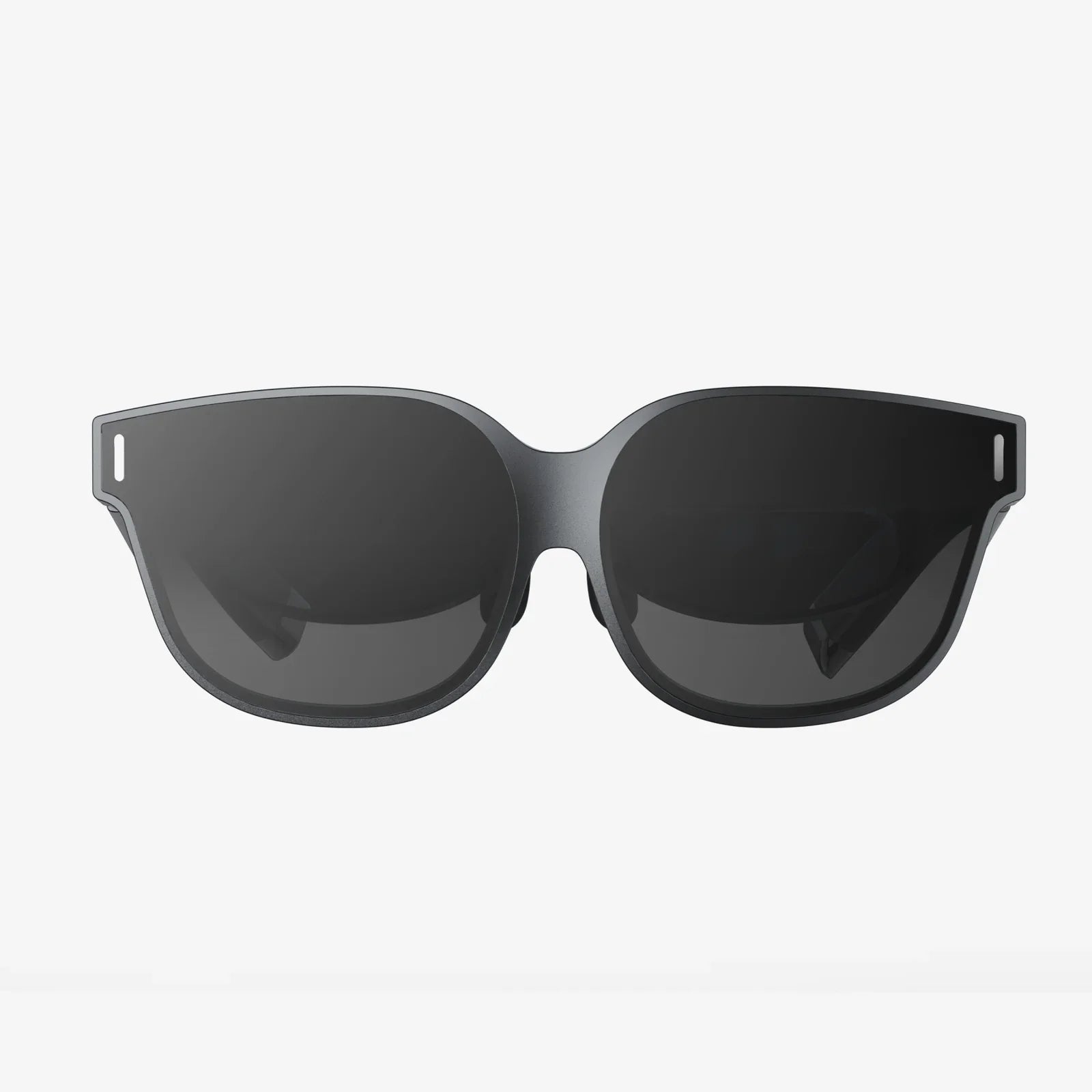
Imagine a device on your wrist that knows your heartbeat, tracks your location, and listens to your conversations. Now imagine that information in the wrong hands. This is the double-edged sword of modern innovation, where the very features that make wearable technology so powerful also make it a prime target for malicious actors. The conversation around secure wearable tech is no longer a niche concern for developers and privacy advocates; it is a critical dialogue for every individual who straps a device to their body, entrusting it with their most intimate data. The future of this technology hinges not on its ability to collect more information, but on its capacity to guard it with unwavering vigilance.
The Expanding Universe of Wearables and Its Inherent Risks
The term 'wearable technology' has evolved far beyond simple step counters. Today's ecosystem is a vast and interconnected web of devices designed to be intimately woven into the fabric of our daily lives. From smart glasses that overlay digital information onto the physical world to advanced biosensors that monitor glucose levels and electrocardiograms, these devices are becoming extensions of our bodies and minds. This deep integration is their greatest strength and their most significant vulnerability.
The data harvested by these devices is profoundly personal. It is a continuous, real-time log of our existence:
- Biometric Data: Heart rate, blood oxygen levels, sleep patterns, body temperature, and even electrodermal activity (a measure of stress).
- Location and Movement Data: GPS tracks, step count, altitude, and precise movement patterns that can reveal daily routines, workplace, and home address.
- Audio and Visual Data: Smartwatches and glasses with microphones and cameras can capture ambient conversations and visuals.
- Health and Medical Data: For regulated devices, this can include diagnosed medical conditions, medication adherence, and specific physiological alerts.
When aggregated, this data creates a digital twin of the user—a highly detailed profile that can be exploited for everything from targeted advertising and insurance premium adjustments to identity theft, blackmail, and corporate espionage. The risk is not merely theoretical; vulnerabilities have been demonstrated in numerous devices, showing that hackers can intercept unencrypted data transmissions, spoof Bluetooth connections, or even gain remote access to the device's functions.
Deconstructing the Threat Landscape: How Wearables Are Compromised
Understanding the path a hacker might take is the first step toward building better defenses. The attack surface for a typical wearable device is multifaceted, presenting several points of potential failure.
1. The Device Itself: Hardware and On-Device Software
The physical device is the first line of defense—and often the weakest. Manufacturers, in a race to market, sometimes prioritize miniaturization and battery life over robust security. This can lead to:
- Insecure Sensors: Sensors feeding data to the main processor without verification can be manipulated, providing false readings.
- Lack of Secure Boot: Without this, malicious firmware can be loaded onto the device, giving an attacker complete control.
- Physical Tampering: A lost or stolen device can be disassembled to extract data directly from memory chips if they are not properly encrypted.
2. The Communication Link: Bluetooth and Wi-Fi
Most wearables communicate with a smartphone or a cloud server via Bluetooth Low Energy (BLE) or Wi-Fi. This wireless bridge is a notoriously vulnerable channel.
- Man-in-the-Middle (MitM) Attacks: An attacker within range can intercept the data transmission between the wearable and its paired smartphone. If this data is not end-to-end encrypted, it can be read and altered in transit.
- Bluetooth Impersonation: Hackers can spoof the identity of a trusted device, tricking the wearable into pairing with them instead of the legitimate phone, allowing them to siphon off all data.
- Unpatched Protocols: Vulnerabilities in the Bluetooth protocol stack itself are regularly discovered. If a device cannot receive updates to patch these flaws, it remains permanently exposed.
3. The Mobile Application: The Gateway
The companion app on the user's smartphone is the gateway to the wearable's data. This app often stores a cache of synced information and manages the authentication tokens for cloud services. A compromised phone or a malicious app on the same device can easily access this stored data if the app does not employ strong local encryption and sandboxing practices.
4. The Cloud Backend: The Data Fortress
This is where the crown jewels are stored: years of aggregated user data. A breach at the cloud server level is a catastrophic event, potentially exposing millions of users' most sensitive information. Threats include:
- Insufficient Access Controls: Poorly implemented APIs might allow one user to access another's data.
- Database Vulnerabilities: SQL injection attacks and other exploits can give attackers direct access to stored data.
- Internal Threats: Malicious insiders or employees tricked by phishing schemes can inadvertently expose vast datasets.
The Pillars of Building Truly Secure Wearable Tech
Addressing these vulnerabilities requires a holistic approach to security, often described as 'security by design.' This means baking security into every layer of the product's development, from the initial concept to its eventual decommissioning. It cannot be an afterthought.
1. Data Encryption: The Non-Negotiable Standard
All data, without exception, must be encrypted.
- Data at Rest: Data stored on the device and on cloud servers must be encrypted using strong, modern algorithms (like AES-256). This renders stolen data useless without the decryption keys.
- Data in Transit: All communication between the device, the phone, and the cloud must be secured with end-to-end encryption (E2EE). This ensures that even if data is intercepted, it remains an unreadable jumble to the attacker. Transport Layer Security (TLS) should be the minimum standard for all API calls.
2. Robust Authentication and Authorization
Ensuring that only the rightful user can access their data is paramount.
- Strong Pairing Protocols: The initial Bluetooth pairing process should use secure methods like Numeric Comparison or Passkey Entry to prevent impersonation attacks.
- Multi-Factor Authentication (MFA): For accessing cloud accounts associated with the wearable, MFA should be mandatory. This adds a critical layer of defense beyond a simple password.
- Biometric Authentication on Device: Using a fingerprint or heart-rate-based authentication on the device itself can prevent unauthorized physical access.
3. The Imperative of Regular Software Updates
A device's security is only as good as its last update. The industry must move away from treating wearables as disposable gadgets with a two-year support cycle. Manufacturers must commit to:
- Transparent Update Policies: Clearly stating the duration of support for each device model.
- Seamless Update Delivery: Creating an over-the-air (OTA) update infrastructure that delivers patches quickly and easily to the user, without requiring a complex manual process.
- Automated Security Patching: For critical vulnerabilities, the update process should be as automated as possible to ensure widespread adoption.
4. Privacy by Design: Minimizing the Data Footprint
The most secure data is the data that is never collected. The principles of Privacy by Design advocate for:
- Data Minimization: Only collecting data that is absolutely necessary for the stated functionality of the device.
- On-Device Processing: Wherever possible, data should be processed directly on the wearable instead of being sent to the cloud. For example, a smartwatch could analyze heart rate patterns locally to detect atrial fibrillation and only send a positive alert to the cloud, rather than streaming every heartbeat.
- User Control and Transparency: Providing users with clear, intuitive privacy dashboards where they can see what data is being collected, why it's being collected, and who it is being shared with. They must have the ability to delete their data or export it easily.
The Human Element: User Education and Shared Responsibility
Technology can only do so much. The user is an integral part of the security chain. Therefore, education is non-negotiable. Users must be taught to:
- Scrutinize privacy policies before purchasing a device.
- Use strong, unique passwords and enable multi-factor authentication for their accounts.
- Be cautious about which third-party apps they grant access to their wearable data.
- Install software updates as soon as they are available.
- Disable features they do not use, such as constant microphone access or location tracking.
This shared responsibility model—where manufacturers build secure systems and users practice good digital hygiene—is the only sustainable path forward.
The Road Ahead: Regulation and the Future of Trust
The market alone may not be sufficient to drive the highest security standards, as consumers often prioritize features and price over privacy. This is where regulation plays a crucial role. Frameworks like Europe's General Data Protection Regulation (GDPR) and California's Consumer Privacy Act (CCPA) have set important precedents by giving users rights over their data and imposing heavy fines for negligence.
Looking forward, we may see more specific regulations aimed at the Internet of Things (IoT) and wearable devices, mandating minimum security standards, vulnerability disclosure programs, and clear labeling about the security and privacy posture of a product. Such 'cyber fitness' labels would allow consumers to make informed choices, rewarding companies that prioritize security.
Furthermore, the future will be shaped by emerging technologies. Blockchain could offer new models for decentralized, user-controlled identity and data management. Advanced homomorphic encryption could allow cloud servers to process data without ever decrypting it. Zero-trust architectures, which assume no entity is trusted by default, could become the standard for protecting cloud infrastructure.
The journey toward truly secure wearable tech is continuous. It is an arms race between innovators and adversaries. But by embracing security as a core feature, not a checkbox, manufacturers can build not just gadgets, but guardians. They can create devices that empower users to understand their bodies and their lives without forcing them to sacrifice their privacy and security. The goal is a world where our wearable technology protects us in every sense of the word—monitoring our health, enhancing our productivity, and vigilantly guarding the digital essence of who we are. The strap on your wrist should feel like a shield, not a shackle.
Share:
VR AR Mix Media: The Confluence of Realities Reshaping Our World
AR Technology in Malaysia: A Nation's Journey from Novelty to Necessity