


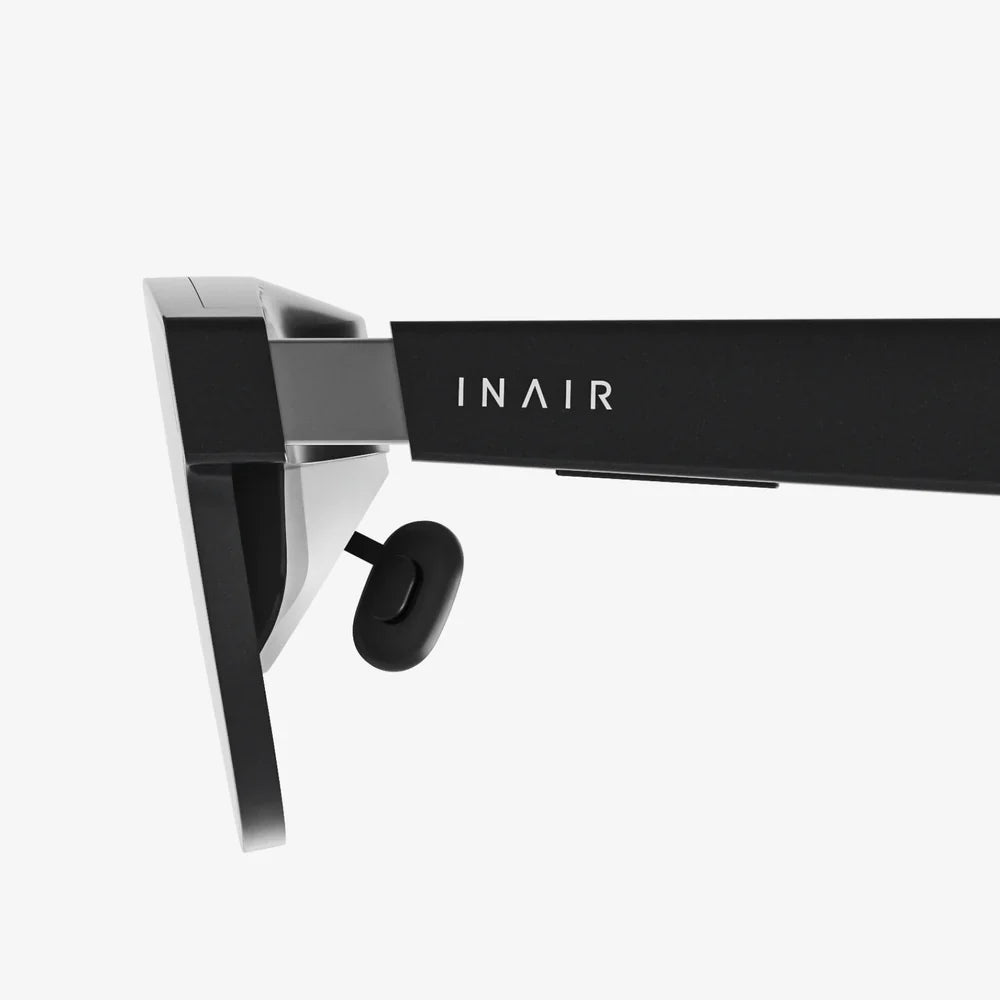
The immersive world of virtual reality is constantly evolving, with new hardware pushing the boundaries of what's possible. Perhaps you're upgrading to the latest model, or maybe that initial burst of excitement has faded into a device gathering dust on a shelf. Whatever the reason, you've decided it's time to sell your VR headset. But where do you begin? Navigating the second-hand tech market can be daunting, filled with questions about value, safety, and the sheer process of it all. This definitive guide is designed to transform that uncertainty into confidence, equipping you with the knowledge and strategies not only to secure a great price but to ensure a smooth, secure, and entirely positive transaction. Let's dive into the crucial steps that will turn your pre-loved portal to other worlds into cash and a happy new owner.
Pre-Sale Preparation: Maximizing Value and Appeal
Before you even think about taking photos or writing a description, the single most important step is to prepare your headset for sale. This process is what separates a quick, high-value sale from a listing that languishes for weeks. A clean, fully-functional, and complete package is infinitely more appealing to potential buyers.
The Deep Clean: Aesthetics Matter
First impressions are everything. A grimy headset suggests poor maintenance and can be a major turn-off.
- Headset and Controllers: Power down the device completely. Use a microfiber cloth slightly dampened with distilled water or a screen-safe cleaning solution to gently wipe down all hard surfaces. Pay special attention to the lenses—these are the most critical and delicate components. Never spray liquid directly onto them; instead, apply it to the cloth. Use a dry portion of the cloth to buff them to a perfect, streak-free shine. For crevices and hard-to-reach areas, a dry, soft-bristled brush (like a clean makeup brush) can dislodge dust and debris.
- Straps and Facial Interface: If the interface is removable and made of a foam or fabric material, check the manufacturer's guidelines. Some can be gently hand-washed with a mild soap and air-dried thoroughly. Wipe down plastic straps and headbands. Ensuring the headset smells fresh and looks pristine adds significant perceived value.
Functionality Check: Ensuring Everything Works
Buyers will expect a fully operational device. A thorough test is non-negotiable.
- Charge the headset and controllers to full capacity.
- Power it on and run through a basic functionality test: check that all buttons on the controllers respond, analog sticks recenter properly, and haptic feedback is functional.
- If possible, put the headset on. Check for any "dead" pixels on the displays, which appear as permanent bright or dark spots. Look for significant scratches on the lenses that would impair the view.
- Test the speakers and microphone if applicable.
Factory Reset: Protecting Your Data
This is the most critical step for your personal security. A factory reset will wipe all your personal data, accounts, saved logins, preferences, and downloaded content from the device, restoring it to its original out-of-the-box state. The exact process varies by device, but it is typically found in the system settings under a menu like "Device," "System," or "Privacy." Consult the official support website for your specific headset model for precise instructions. Never skip this step.
Gather All Components: Completing the Package
A complete set is worth more than the sum of its parts. Buyers strongly prefer getting everything they need in one go.
- Find the original packaging if you have it. It adds immense value and provides safety for shipping.
- Round up all cables (power adapter, USB cables, link cables).
- Include all controllers and any controller accessories (like replaceable battery covers or straps).
- Include any original documentation, manuals, or warranty cards.
Determining the Right Price: The Art and Science of Valuation
Pricing your headset correctly is arguably the most crucial factor in selling it quickly. Price it too high, and it will be ignored. Price it too low, and you leave money on the table.
Research the Market
Do not guess. Research what others are asking for the same model in a similar condition.
- Browse popular marketplaces and search for your exact headset model. Use the filter options to view "Sold" or "Completed" listings. This tells you what people are actually willing to pay, not just what sellers are asking for.
- Note the differences in price between listings that are just the headset, those that include all original accessories, and those that bundle in extra items like games or accessories.
- Be brutally honest about your headset's condition. Is it "Like New," "Very Good," or just "Good"? Cosmetic wear, missing accessories, and non-original packaging all affect the value.
Factor in Depreciation and Generation
Technology depreciates quickly. The value of your headset is not what you paid for it; it's what the current market dictates based on its age, technical specifications, and the availability of newer models. An older generation headset, even if barely used, will not command a price anywhere near its original retail value. Anchor your price expectations to recent sales of identical items, not your initial investment.
Setting Your Asking Price
Based on your research, set a competitive but realistic price. A good strategy is to price it slightly above the average sold price to give yourself a small amount of negotiation room. This makes potential buyers feel like they are getting a deal when you agree to a slightly lower offer, facilitating a faster sale. In your listing, you can mention that the price is "firm" if you are unwilling to negotiate, but be prepared for a slower selling process.
Choosing the Right Platform: Where to List Your Headset
The platform you choose will determine your audience, the fees you pay, and the overall safety of the transaction. Each has its pros and cons.
General Online Marketplaces
These sites have massive audiences, meaning your item gets maximum visibility.
- eBay: Excellent reach and a well-established system for selling tech. Auction-style listings can sometimes create bidding wars that drive the price up, but "Buy It Now" with Best Offer is often a safer bet. Be aware of final value fees and PayPal processing fees, which will eat into your final profit. Shipping can be complex, so factor that cost in carefully.
- Facebook Marketplace: The prime destination for local, cash-based sales. The huge benefit is no selling fees and the ability to have the buyer inspect the item and exchange cash in hand immediately. The downside is you have to deal with people directly, which can sometimes mean no-shows or lowball offers. Always insist on meeting in a safe, public place.
Specialized Tech and Classified Sites
These platforms often attract a more knowledgeable audience who understands the value of the technology.
- Craigslist: The original online classifieds. Similar to Facebook Marketplace, it's best for local sales. The interface is more dated, and you may get less traffic, but it remains a viable option. Exercise the same caution with in-person meetings.
- Reddit: Subreddits like hardwareswap are dedicated communities for buying and selling tech. They have strict rules and a flair system to establish user trust. Transactions are often done via PayPal Invoice for buyer and seller protection. This is a great option if you're comfortable with the process and want to reach an audience of enthusiasts.
Trade-In Programs
For ultimate convenience and guaranteed payment, consider a trade-in program offered by major retailers or the manufacturers themselves.
- Pros: It is incredibly easy. You get a quote, mail your device in (often with a free shipping label), and receive store credit or a gift card. There's no negotiation, no meeting strangers, and no risk of payment fraud.
- Cons: You will almost always receive a significantly lower monetary value compared to a private sale. This is the price you pay for convenience and security. This is the best option for those who prioritize a hassle-free experience over maximizing profit.
Crafting the Perfect Listing: Your Digital Sales Pitch
Your listing is your salesperson. It needs to be honest, detailed, and compelling to attract serious buyers.
High-Quality Photography is Key
Use the best camera you have access to, which is likely your smartphone. Take photos in a well-lit, clean area.
- Take a photo of the complete set, laid out neatly.
- Take clear, front-on photos of the headset, controllers, and all accessories.
- Take close-up photos of the lenses (clean and shiny!) to prove they are scratch-free.
- Do not hide flaws. Take clear photos of any scratches, scuffs, or signs of wear. Being honest upfront builds trust and prevents disputes later.
- If you have the original box, include a photo of it.
Writing a Compelling Description
Your description should be a detailed yet scannable information hub.
- Title: Include the exact full model name, its condition (e.g., "Like New"), and key features (e.g., "256GB," "Full Kit").
- Body: Start with a brief, engaging intro. Then, create a bulleted list of everything included. Detail the device's condition honestly. Mention that it has been fully factory reset and is ready for a new owner. Specify your reason for selling (e.g., "Upgraded to a new model," "Not used as much as I'd hoped").
- Keywords: Think about what a buyer would search for and include those terms naturally in your description.
Setting Clear Terms
Be explicit about the terms of the sale to avoid misunderstandings.
- State your price and whether it is negotiable.
- Specify your preferred payment methods (e.g., "Cash only for local meet-up," "PayPal Goods & Services for shipping").
- For local sales, state your general area and preferred meeting spot (e.g., "Local meet-up only, at the downtown police station lobby").
- For shipping, state whether the price includes shipping or if it's separate, and where you are willing to ship to.
Navigating the Sale and Ensuring Safety
You've got interest! Now it's time to manage communication and execute the transaction safely.
Communication and Negotiation
Respond to inquiries promptly and professionally. Be prepared for questions, even if the answers are in your listing. Be polite but firm during negotiations. If you have a minimum price in mind, know when to walk away from a lowball offer. Anyone who seems pushy, uses guilt trips, or proposes overly complex payment schemes is likely a scammer. Trust your instincts.
Avoiding Common Scams
Fraud is a reality of online sales. Be vigilant.
- Overpayment Scams: A buyer sends a check or digital payment for more than the asking price and asks you to refund the difference. The original payment will eventually be found fraudulent, and you will be out the money you refunded.
- Fake Payment Confirmations: Scammers send fake emails that look like they are from PayPal or another service confirming payment. Always log into your account directly to confirm funds have been received before shipping anything.
- Shipping to a Different Address: If using a service with buyer protection, only ship to the address provided and confirmed by that service. Shipping elsewhere voids your protection.
- Local Sale Safety: Never invite a stranger to your home. Always meet in a well-lit, public place with good foot traffic, like a coffee shop or police station parking lot. Bring a friend if possible. Handle cash transactions at the meeting point.
The Final Exchange
For local sales, allow the buyer to inspect the headset. For shipped sales, pack the headset securely. Use plenty of bubble wrap and ensure it cannot move around inside the box. Using the original box inside another shipping box is ideal. Ship promptly and provide the buyer with the tracking number. Keep all communication and proof of shipment until the transaction is fully complete.
Successfully selling your VR headset is about more than just a transaction; it's about passing on a key to countless worlds and experiences. By meticulously preparing your device, pricing it smartly, crafting an irresistible listing, and navigating the sale with confidence and caution, you're not just offloading old tech—you're creating a seamless and positive experience for another enthusiast. The thrill of a great deal is universal, and now you're perfectly positioned to provide it, freeing up space and funds for whatever comes next in your own tech journey. Your next adventure, and someone else's, is waiting.
Share:
VR Headset Price Comparison: Your Ultimate Guide to Finding the Perfect Headset for Your Budget
VR Headset Price Comparison: Your Ultimate Guide to Finding the Perfect Headset for Your Budget