


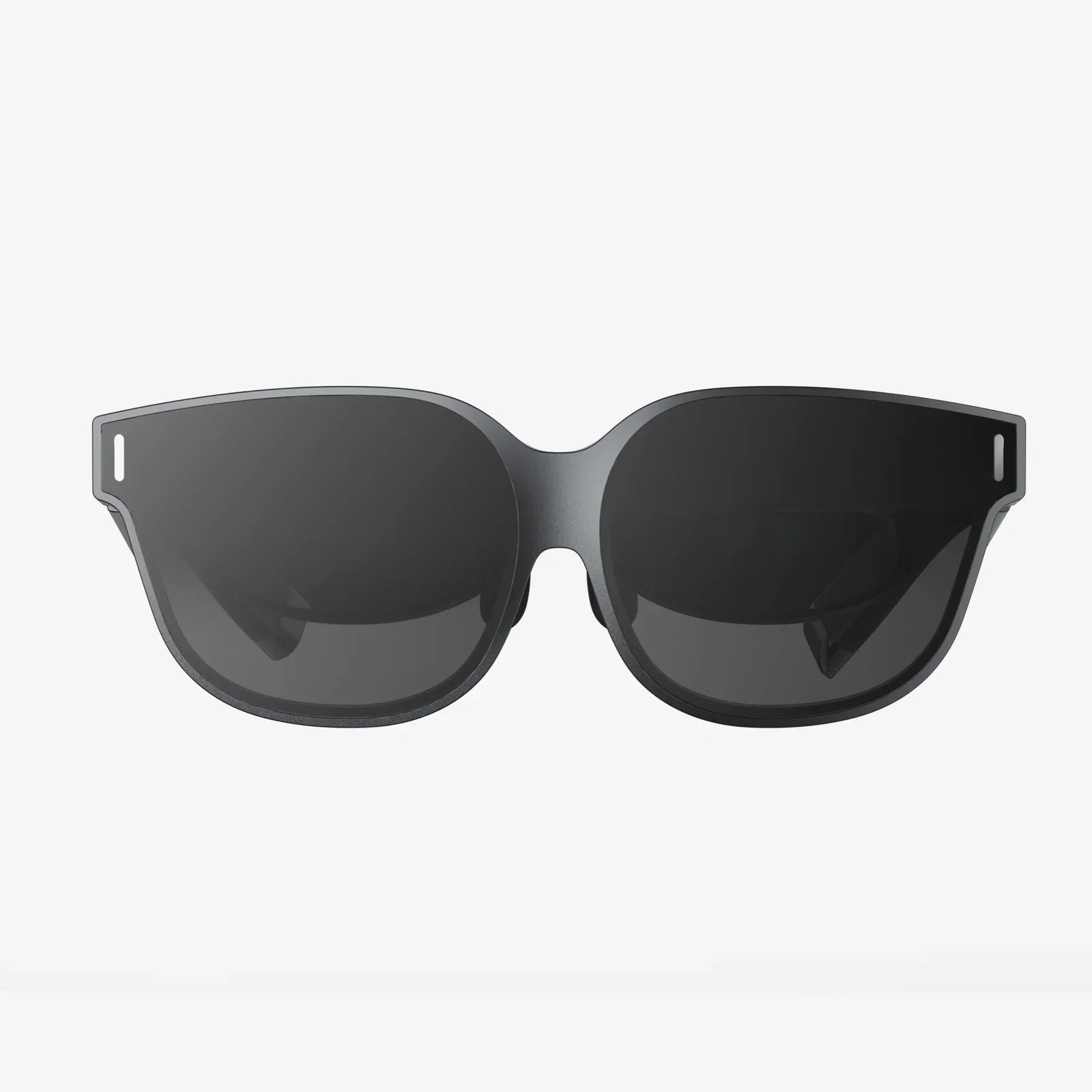
Stepping into the vast and immersive world of virtual reality is an exhilarating prospect, but the first question that gives most potential explorers pause is a practical one: how much will it truly cost? The landscape of VR headset pricing is a complex tapestry, woven with threads of cutting-edge technology, varying performance capabilities, and diverse user aspirations. It's a market where a seemingly simple piece of hardware can range from the cost of a casual dinner out to a significant investment rivaling a high-end laptop. Navigating this terrain requires more than just looking at a price tag; it demands a deep understanding of what you're actually paying for. This ultimate guide to VR headset price comparison will demystify the costs, break down the value propositions across different tiers, and empower you to make an informed decision that aligns your budget with your virtual ambitions. Forget the confusion and the marketing hype; we're cutting through the noise to deliver a clear, concise, and comprehensive financial roadmap to your perfect VR experience.
The Foundation of Cost: Understanding What Drives VR Headset Pricing
Before diving into specific price brackets, it's crucial to understand the core technological components that dictate the cost of a VR headset. The price is not arbitrary; it's a direct reflection of the engineering, research, and materials inside the device.
Display Technology: The Window to Another World
The display is arguably the heart of the VR experience. The quality of the screens directly impacts immersion, comfort, and visual fidelity. Key factors include:
- Resolution and Pixel Density (PPI): Higher resolution screens, often Quad HD or 4K per eye, drastically reduce the "screen door effect" (the visible lines between pixels) and provide a sharper, more realistic image. These premium displays are a significant cost driver.
- Refresh Rate: Measured in Hertz (Hz), a higher refresh rate (90Hz, 120Hz, and even 144Hz) ensures smoother motion, which is critical for preventing simulation sickness and enhancing the feeling of presence. Achieving high, stable refresh rates requires more powerful internal hardware.
- Lens Quality and Field of View (FoV): Advanced lens systems, like Fresnel or pancake lenses, are engineered to provide a wide, clear field of view with minimal distortion. A wider FoV increases immersion but requires more complex and expensive optical engineering.
Processing Power: Standalone vs. Tethered
This is the single biggest differentiator in VR headset price comparison. The method of processing dictates not only the cost of the headset itself but also the required investment in external hardware.
- Standalone Headsets: These devices have all the necessary computing power built directly into the headset. They are fully wireless and self-contained. The cost includes a mobile-grade system-on-a-chip (SoC), RAM, and internal storage, making them a complete all-in-one package. This convenience and integration come at a premium.
- Tethered (PC-Powered) Headsets: These devices act primarily as sophisticated display and input devices. They rely on an external, high-powered computer to run the software. While the headset itself might lack internal processing, its cost is tied to superior displays, precise tracking systems, and high-quality materials. The true total cost must include a capable gaming PC, which can be a substantial additional expense.
- Console-Powered Headsets: A subset of tethered headsets, these are designed to work exclusively with a specific video game console. This offers a more streamlined and often more affordable entry point into high-fidelity VR, as the console acts as a known, standardized processing unit.
Tracking and Controllers: How You Interact with the Virtual
How a headset tracks your movement and translates your actions into the game is a key differentiator.
- Inside-Out Tracking: Cameras on the headset itself track the environment and the controllers without the need for external sensors. This is convenient and easier to set up but can sometimes be less accurate than external solutions, especially outside the cameras' field of view.
- Outside-In Tracking: External sensors or base stations placed around the room precisely track the headset and controllers. This method is often considered the gold standard for accuracy and latency, particularly for competitive gaming and professional applications, but it adds to the overall cost and complexity of the system.
- Controller Quality:
The controllers themselves can range from simple remote-like wands to sophisticated devices with finger-tracking, haptic feedback, and adaptive triggers. More advanced controllers provide a deeper level of immersion and interaction, contributing to a higher overall package price.
Build Quality and Comfort
A headset you can wear for hours requires thoughtful design and quality materials. This includes:
- Straps: Basic elastic straps vs. rigid, adjustable halo-style straps with counter-weights for better balance.
- Materials: Lightweight plastics, fabrics, and foam facial interfaces. Premium models may use more advanced composites, magnetic interfaces, and replaceable hygiene covers.
- Ergonomics: Engineering for long-term comfort isn't free. It involves extensive research and testing, the cost of which is factored into the final product.
The Budget Tier: Affordable Entry into Virtual Worlds
For those dipping their toes into the VR waters, the budget tier offers a surprisingly capable experience without a significant financial outlay. Headsets in this category are almost exclusively standalone, prioritizing accessibility and a curated library of experiences.
Expected Price Range: $200 - $300
What You Get: For this price, you are purchasing a complete, all-in-one system. The headset contains the processor, battery, displays, and speakers. It will feature inside-out tracking and capable, though not top-of-the-line, controllers. The content library will be robust but may lack the graphically intensive, AAA titles found on more powerful platforms. The focus is on casual gaming, social experiences, 360-degree videos, and fitness applications.
Compromises: To hit this price point, manufacturers make trade-offs. The display resolution and refresh rate will be good but not exceptional. The build materials will be primarily plastic, and the comfort level may require aftermarket accessories for extended sessions. The processing power limits the graphical complexity of the software.
Who It's For: This tier is perfect for first-time users, families, educators, and anyone who wants to explore VR without a major commitment. It represents the best value for casual entertainment and social connectivity.
The Mid-Range Tier: The Sweet Spot of Performance and Value
This tier is the fiercely competitive heart of the market, often seen as the best balance between performance, features, and cost. It includes both advanced standalone headsets and the more affordable end of the tethered spectrum.
Expected Price Range: $400 - $600
What You Get: In this bracket, you encounter significant generational leaps in technology. Standalone headsets here feature vastly more powerful processors, enabling better graphics, more complex game worlds, and enhanced performance for productivity and creativity apps. They often boast much higher-resolution displays, reduced screen-door effect, and improved refresh rates.
This range also includes tethered headsets that require a PC. While the headset itself lacks a processor, that cost is reallocated to superior panels (often OLED or high-end LCD), better lenses, and more accurate tracking systems. For users who already own a capable gaming PC, this path offers higher fidelity experiences than similarly priced standalone devices.
Compromises: A tethered headset in this range still requires the upfront cost of a gaming PC. Even advanced standalone headsets cannot match the raw graphical power of a high-end PC-driven system. You may still see compromises in FoV or maximum refresh rates compared to flagship models.
Who It's For: Enthusiasts who want a high-quality, versatile experience. This could be a dedicated gamer looking for deeper, more immersive titles, a professional using VR for design or architecture, or a fitness enthusiast who wants the best standalone experience available.
The High-End and Enthusiast Tier: Pushing the Boundaries of Reality
At the pinnacle of the market, price becomes a secondary concern to achieving the absolute best performance, clarity, and immersion possible. This tier is dominated by tethered PC-powered headsets, though it also includes professional-grade standalone devices.
Expected Price Range: $900 - $1,500+
What You Get: This is where you find the cutting edge. Headsets in this category feature state-of-the-art micro-OLED displays with incredible pixel density, eliminating the screen-door effect entirely. They offer the widest fields of view, the highest refresh rates (140Hz+), and exquisite lens clarity. Tracking is ultra-precise, often using outside-in lighthouse technology for millimetric accuracy. Build quality is premium, with high-comfort materials and advanced features like eye-tracking and varifocal displays beginning to appear.
Compromises: The primary compromise is cost. These headsets are expensive investments on their own, and they mandate a top-tier gaming PC with a powerful graphics card, easily adding another $1,500+ to the total cost of entry. They can also be more complex to set up and calibrate.
Who It's For: Hardcore sim racers and flight enthusiasts, competitive VR gamers, developers, and enterprise users in fields like medical simulation, automotive design, and research. This tier is for those for whom any visual or performance compromise is unacceptable.
The Hidden Costs: A Complete VR Headset Price Comparison
An honest price comparison must look beyond the initial headset purchase. The true total cost of ownership (TCO) includes several often-overlooked factors.
- Required Hardware: For tethered headsets, the cost of a VR-ready PC is the single largest additional expense. Ensure your computer meets the specific requirements of the headset you're considering.
- Software and Games: While many platforms have free titles and experiences, premium games typically cost between $20 and $60 each. A robust library can represent a significant ongoing investment.
-
Accessories: These are almost inevitable. Common purchases include:
- Additional external trackers for tethered systems
- Rechargeable battery packs for controllers
- Premium comfort straps, often with integrated audio
- Lens inserts for glasses wearers
- Additional facial interfaces for hygiene, especially in shared or fitness use cases
- VR covers and cases
- Replacement Parts: Controllers, with their complex internals and propensity for being swung into walls, are the most common item needing replacement. Budget for potential accidents.
Making the Right Choice: Aligning Price with Purpose
The perfect headset isn't the most expensive one; it's the one that best serves your intended use. Ask yourself these questions:
- What is my primary use case? (Gaming, fitness, social, creative work, consumption of media?)
- What is my total budget? (Including the headset, any required PC upgrades, and accessories?)
- Do I value convenience or absolute performance? (Wireless freedom vs. graphical fidelity?)
- Where will I use it? (Do I have a large, dedicated play space or a smaller living room?)
- Who will use it? (Just me, or will I be sharing with friends and family?)
By cross-referencing your answers with the capabilities and compromises of each price tier, you can pinpoint the device that offers the best value for you. A budget headset is a terrible value for a flight sim enthusiast, just as a $1,000 headset is a colossal waste of money for someone who just wants to watch 360-degree videos and play casual games.
The journey into virtual reality is one of the most exciting technological adventures available today, and it has never been more accessible. From the affordable entry-point that offers a stunning introduction to the medium, to the no-compromise enthusiast gear that truly feels like a portal to another dimension, there is a perfect headset waiting for every budget and every dream. By arming yourself with a clear understanding of the VR headset price comparison landscape, you can confidently invest in your gateway to new worlds, knowing you've made the smartest choice for your virtual future. The only question left is, which reality will you choose to step into first?
Share:
Sell VR Headset: Your Ultimate Guide to a Profitable and Responsible Sale
Sell VR Headset: Your Ultimate Guide to a Profitable and Responsible Sale