


- by wangfred
Simple Augmented Reality: The Invisible Technology Reshaping Our Daily Lives
- by wangfred
Imagine pointing your phone at a dusty, disassembled engine in your garage and watching a ghostly, translucent guide materialize, showing you exactly which bolt to turn next. Or picture walking through a foreign city where floating historical markers pop into view, narrating tales of the past directly over the modern streets. This isn't a distant sci-fi fantasy; it's the tangible, accessible reality offered by simple augmented reality today. This technology, once the domain of expensive hardware and complex software, has quietly slipped into our pockets and daily routines, and it's fundamentally changing our relationship with information and the physical world around us.
At its core, simple augmented reality is about one thing: layering digital information seamlessly onto our perception of the real world. Unlike its cousin, Virtual Reality (VR), which aims to replace your entire field of vision with a simulated environment, AR enhances your existing reality. It doesn't require you to disconnect from your surroundings; instead, it connects you to them more deeply. The "simple" qualifier is crucial. It refers to AR experiences that are:
This simplicity is the key to its explosion in popularity. The barrier to entry is virtually nonexistent; if you have a modern smartphone, you have a powerful AR portal in your hand.
The magic of simple AR feels like witchcraft, but it's powered by a sophisticated convergence of technologies working in harmony. When you open an AR app, a complex ballet unfolds in milliseconds:
This entire process happens faster than the human eye can perceive, creating a smooth and immersive experience that feels effortless to the user.
While gaming provided the first mainstream AR hit, the true revolution is happening in practical, everyday applications that are boosting productivity and enhancing understanding across numerous fields.
The days of guessing whether a new sofa will fit in your living room or if a shade of lipstick will suit you are rapidly ending. Simple AR allows customers to:
This "try-before-you-buy" capability is bridging the final gap between online and physical retail, creating more confident consumers and more successful businesses.
AR is turning abstract concepts into interactive, 3D experiences that students can manipulate and explore. Imagine:
This hands-on, visual learning dramatically improves comprehension and retention, making education more engaging and effective for all ages.
For technicians, engineers, and warehouse workers, simple AR is a game-changer. Through smartphones or smart glasses, it provides:
Creating a successful simple AR experience isn't just about the technology; it's about thoughtful design. The best applications adhere to a few key principles:
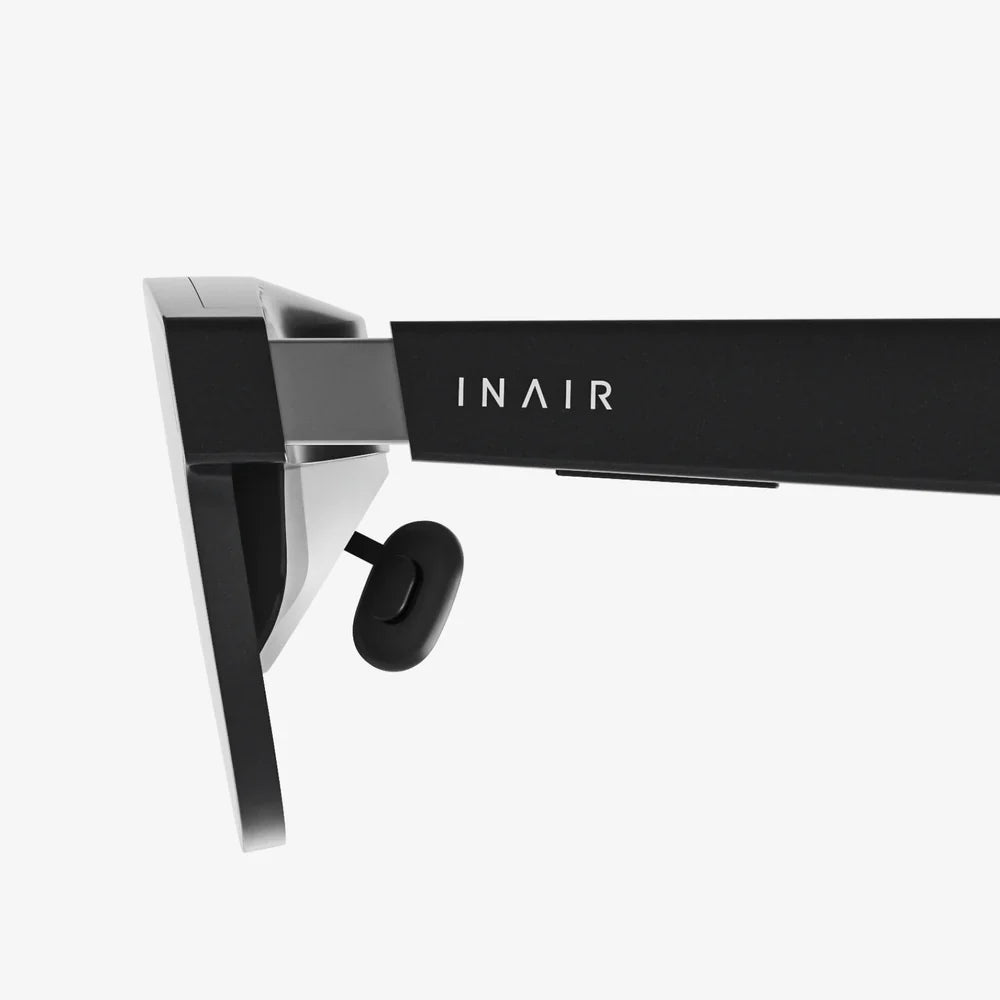
The trajectory of simple AR points toward even deeper integration into our lives. The next evolution will be toward truly seamless and contextual experiences, moving beyond the screen we hold in our hands. We are already seeing the early stages of more advanced wearable technology that will make accessing AR as natural as putting on a pair of glasses. The future of AR is one of ambient computing, where digital information is available contextually in our environment, waiting to be called upon with a glance or a voice command, enhancing our perception and capabilities without ever demanding our full attention.
The journey of simple augmented reality is a testament to the power of making powerful technology accessible. It has moved from a laboratory curiosity to a pocket-sized superpower for millions. It's not about creating a flashy digital spectacle; it's about providing quiet, intelligent assistance that makes us more capable, more knowledgeable, and more connected to the world. This invisible layer of useful magic is already here, and it's only just beginning to reveal its true potential to reshape our reality.
Share:
AR or VR Which is Better? A Deep Dive into the Digital Frontier
Latest Technology in Eyeglasses: The Future of Vision is Here