


- by wangfred
Simple Definition of Augmented Reality: A Beginner's Guide to the Digital Overlay
- by wangfred
Imagine a world where the digital and the physical aren't separate realms but a seamless, interactive tapestry—this is the promise of a technology that is rapidly moving from science fiction to everyday life, and it all starts with understanding its simple definition.
At its most fundamental level, augmented reality (AR) is a technology that superimposes a computer-generated image, video, or 3D model onto a user's view of the real world. The key term here is "augment." Unlike Virtual Reality (VR), which creates a completely artificial digital environment for the user to immerse themselves in, AR takes your existing, real-world environment and enhances it, or augments it, by adding digital information on top of it. It's the difference between being transported to a fantasy castle (VR) and seeing a digital dragon perched on your actual kitchen table (AR). This digital overlay is perceived in real-time, creating a unique, interactive experience where digital objects coexist and interact with the physical space around you.
The seemingly magical act of blending digital content with our world is achieved through a sophisticated interplay of hardware and software. While the user experience is designed to feel simple and intuitive, the technology working behind the scenes is complex.
Most AR systems, whether on a smartphone or dedicated headset, rely on a few key components:
Computer vision is the subfield of artificial intelligence that enables computers to derive meaningful information from digital images and videos. In AR, it's what allows the device to:
AR experiences are often categorized by how they anchor digital content to the real world. The two main types are marker-based and markerless AR.
This was one of the earliest forms of AR. It relies on a specific, predefined visual image or object—a "marker"—to trigger the digital overlay. The marker is usually a high-contrast, distinct pattern, like a QR code or a special symbol. The device's camera scans the environment looking for this exact marker. Once it recognizes it, it superimposes the associated digital content directly onto the marker's location. The position and orientation of the digital object will change as the marker is moved or as the user views it from different angles. This method is highly reliable and precise but is limited to the presence of the specific marker.
This is the more advanced and now more common form of AR, thanks to improvements in sensor technology and computer vision. Markerless AR does not require a special image to function. Instead, it uses the device's GPS, digital compass, and accelerometer to determine a location, or it uses the camera to recognize features of the environment itself (like the corners of a room or the texture of a floor) to place digital content. This allows for much more flexible and powerful applications, such as placing a virtual piece of furniture in your living room or having a cartoon character run across your driveway. SLAM technology is a key enabler of markerless AR.
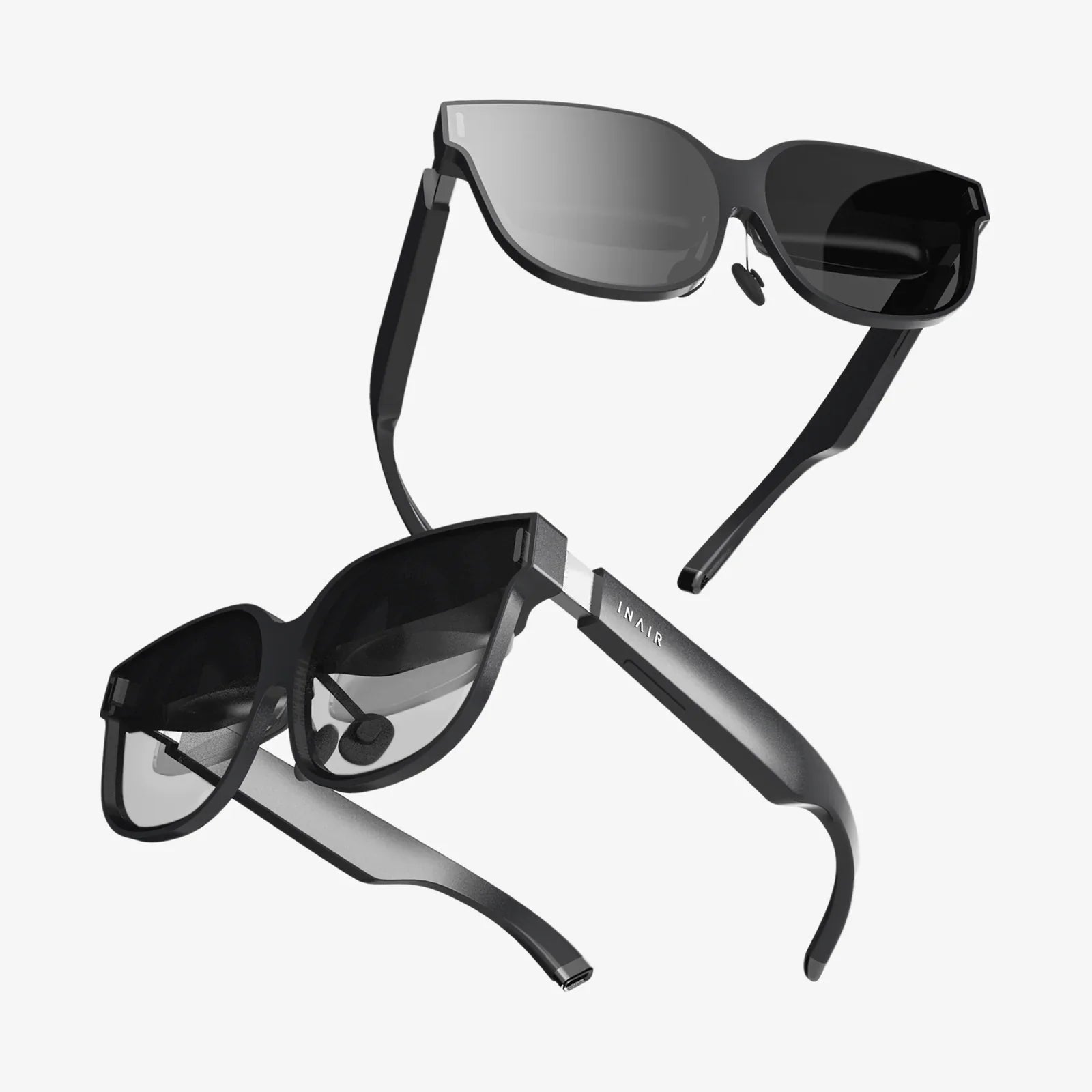
While smartphones have been the primary gateway to AR for most consumers, the technology is evolving into more immersive and hands-free forms.
The simple definition of augmented reality belies its profound impact. It's not a futuristic concept; it's actively reshaping how we work, learn, shop, and play.
AR is revolutionizing the shopping experience. Customers can now use their phones to see how a new sofa would look in their living room, "try on" watches or makeup virtually, or see how a new shade of paint would transform a room. This "try before you buy" capability reduces uncertainty and purchase returns while increasing consumer confidence.
AR brings learning to life. Instead of reading about the solar system, students can watch planets orbit around them in their classroom. Medical students can practice procedures on detailed, interactive 3D models of the human body. Mechanics can see repair instructions overlaid directly on the engine they are working on. This interactive, visual form of learning improves comprehension and retention.
Beyond training, AR assists in complex surgical procedures by projecting vital information, such as a 3D model of a tumor, directly into the surgeon's field of view. It can help nurses find veins more easily for injections and is used in physical therapy to guide patients through exercises with proper form.
Technicians wearing AR glasses can see schematics, instruction manuals, and safety information overlaid on the machinery they are repairing, allowing for hands-free operation and reducing errors. AR can also guide warehouse workers to items faster by displaying digital pathways on the floor.
Imagine walking through a city and seeing digital arrows projected onto the sidewalk guiding you to your destination. Or looking through your phone's camera in a museum and seeing information and historical facts pop up next to each exhibit. AR navigation is making its way into cars, projecting turn-by-turn directions onto the windshield.
The trajectory of AR points towards a more integrated and ubiquitous future. We are moving towards always-available, contextual information seamlessly woven into our perception of reality. The evolution of 5G networks will be a major catalyst, providing the high bandwidth and low latency needed for complex, cloud-rendered AR experiences. Advances in artificial intelligence will make AR systems more perceptive and intelligent, allowing them to understand user intent and the context of their environment at a deeper level. The ultimate goal is the development of comfortable, stylish, and powerful AR glasses that we wear all day, replacing smartphones as our primary gateway to digital information.
Despite its potential, the path forward for AR is not without obstacles. Technical challenges like improving battery life, developing more natural user interfaces (like gesture and voice control), and creating displays that work perfectly in all lighting conditions remain. There are also significant social and ethical concerns around privacy, data security, and digital addiction. The concept of an always-on camera raises questions about constant surveillance, and the blending of digital and physical realities could lead to new forms of distraction and information overload. Navigating these challenges will be just as important as the technological advances themselves.
From this simple definition—a digital overlay on our physical world—springs a technological revolution poised to change everything from how we assemble furniture to how we save lives, making our interactions with information more intuitive, contextual, and powerfully immersive than ever before.
Share:
AR VR Setup: The Ultimate Guide to Building Your Immersive Reality
VR & Augmented Reality Companies: Architects of a New Digital Reality