


- by wangfred
Simple Virtual Reality: Demystifying the Digital Frontier for Everyone
- by wangfred
Imagine stepping into a new world, not through a complex ritual of wires, sensors, and technical jargon, but as simply as putting on a pair of sunglasses. This is the new promise of virtual reality, a frontier once dominated by early adopters and tech giants now being gently pried open for everyone. The era of intimidating, expensive, and cumbersome setups is giving way to a new paradigm: simple virtual reality. This shift isn't just about making the technology cheaper; it's a fundamental reimagining of what VR can be when it's designed for human experience first and technological prowess second. The goal is no longer to overwhelm the senses with raw power, but to enchant the mind with effortless immersion. The door to digital worlds is opening wider than ever before, and all it takes is a simple step forward.
To appreciate the rise of simple VR, one must first understand the landscape from which it emerged. The modern incarnation of consumer virtual reality began with a focus on high-fidelity, powerhouse experiences. These systems were engineering marvels, but they came with a significant list of prerequisites. They required external sensors or base stations meticulously placed around a room to track movement. They needed a powerful, and expensive, desktop computer to render the complex dual-screen imagery. A tangle of cables connected the user to this ecosystem, creating a literal tether that limited movement and constantly reminded them of the machinery behind the magic.
This setup created a high barrier to entry. It demanded space, a considerable financial investment, and a moderate level of technical comfort to assemble and maintain. VR was a commitment, a dedicated hobby. It was incredible, but it was not for everyone. The concept of "simple virtual reality" emerged as a direct response to these challenges. The vision was clear: strip away the friction, eliminate the prerequisites, and deliver the core promise of immersion in the most straightforward way possible.
The move towards simplicity is not a dilution of the VR concept; it is a refinement. It is built upon several key pillars that work in concert to create a seamless user experience.
The most significant leap toward simplicity has been the development of the standalone headset. These devices contain all the necessary computational power, sensors, and batteries within the headset itself. There are no wires to a PC, no external sensors to set up. The user experience is akin to using a modern tablet or smartphone—put it on, and it works. This untethered freedom is transformative, allowing users to turn any room into a VR playground without pre-configuration. It empowers intuitive actions like spinning in a full circle or ducking behind a virtual barrier without a second thought about cable management.
Early VR systems relied on "outside-in" tracking. External cameras or lasers watched the headset and controllers to determine their position in space. Simple VR flips this model on its head with "inside-out" tracking. Cameras mounted on the headset itself look outward, observing the real world to understand the user's position and movement. This eliminates the need for external hardware entirely and allows the system to understand its environment, paving the way for features like automatic boundary detection, where the headset can map out a safe play area simply by having the user look around their room.
Complex button layouts and non-intuitive controllers are a thing of the past. Simple VR systems prioritize ergonomic controllers that feel natural in the hand, often mimicking tools or hands themselves. Interaction paradigms have shifted from abstract button presses to natural gestures: to grab an object, you make a grabbing motion; to pull a trigger, you use your index finger. Furthermore, the advancement of hand-tracking technology is removing the controller altogether, allowing users to interact with virtual environments using their bare hands, making the digital world feel more tangible and immediate than ever.
A simple hardware platform is useless without software to match. The interfaces for simple VR are designed to be navigated from within the headset, using clear menus, large icons, and voice commands. The process of finding, purchasing, and launching applications is streamlined to feel familiar to anyone who has used a modern app store. This focus on user experience extends to the content itself, with developers creating experiences that are easy to jump into, often with minimal tutorials, relying on intuitive design to guide the user.
By lowering the barriers to entry, simple virtual reality is democratizing access to immersive technology, impacting fields far beyond gaming.
Simple VR is a revolutionary tool for education. Imagine history students walking through ancient Rome, medical students practicing procedures on virtual patients, or mechanics trainees learning to repair a complex engine—all without leaving the classroom or risking real-world consequences. The affordability and ease of use of standalone headsets make it feasible for schools and businesses to deploy them at scale, transforming abstract concepts into tangible, memorable experiences.
VR is evolving into a powerful social platform. Simple headsets allow friends and families separated by distance to meet up in a virtual space as customizable avatars. They can watch movies together on a giant virtual screen, play games, or simply chat as if they were in the same room. For the workplace, this enables a new form of remote collaboration where teams can brainstorm around 3D models, conduct virtual meetings, and share ideas in a shared digital space, making remote work feel more connected and productive.
The untethered nature of simple VR has spawned a new category of fitness applications. Users can box, dance, rhythmically slice through obstacles, and engage in full-body workouts within engaging virtual environments. This "exergaming" approach makes exercise fun and distracting, helping people stay motivated. Furthermore, VR is being used for meditation and mental wellness, transporting users to serene beaches, tranquil forests, or peaceful mountaintops to aid in relaxation and mindfulness practices.
VR offers the ultimate big-screen experience. With a simple headset, any user can project a massive virtual screen into their living room, creating a personal cinema for watching films, sports, and shows. Beyond traditional media, creators are experimenting with immersive 360-degree storytelling, placing the viewer inside the narrative, allowing them to look around and explore the story environment from within, creating a profound sense of presence and empathy.
Despite the incredible progress, the journey toward truly universal simple VR is not without its hurdles. There are always trade-offs between simplicity and power. Standalone headsets, while incredibly convenient, cannot match the sheer graphical fidelity of a high-end PC-powered system. Battery life is a constant constraint, limiting session times. Furthermore, as the technology becomes more mainstream, critical questions around data privacy, social etiquette in shared virtual spaces, and the long-term psychological effects of prolonged immersion will need to be addressed.
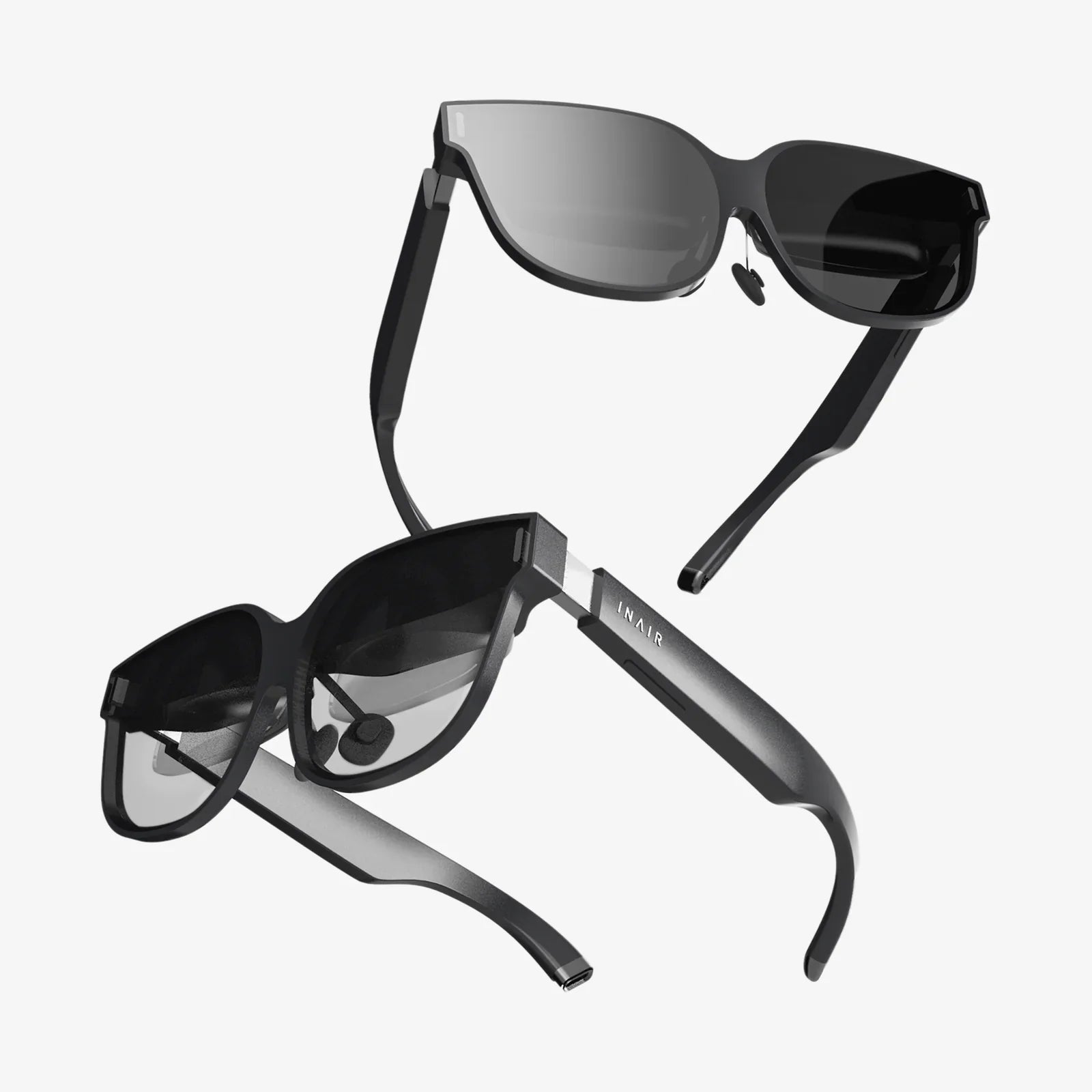
The future of simple VR is incredibly bright. We can expect continued advancements in processing power, display technology (like pancake lenses for slimmer designs), and battery efficiency. The integration of augmented reality (AR) features will become more seamless, allowing digital objects to blend convincingly with the real world. The ultimate goal is a pair of lightweight, stylish glasses that can effortlessly switch between a fully immersive virtual world and an AR-enhanced view of reality. The focus will remain on minimizing friction and maximizing wonder.
The true magic of this technological evolution lies not in the complexity it hides, but in the experiences it unlocks. Simple virtual reality is quietly dismantling the walls that once surrounded digital worlds, proving that the most profound journeys don't require a manual, just a sense of curiosity. The next great adventure is no longer waiting in a specialized lab; it's resting on your living room couch, waiting for you to put it on and press start.
Share:
Augmented Reality Definition: Bridging Our Digital and Physical Worlds
Virtual Glasses: The Next Frontier in How We See and Interact With the World