


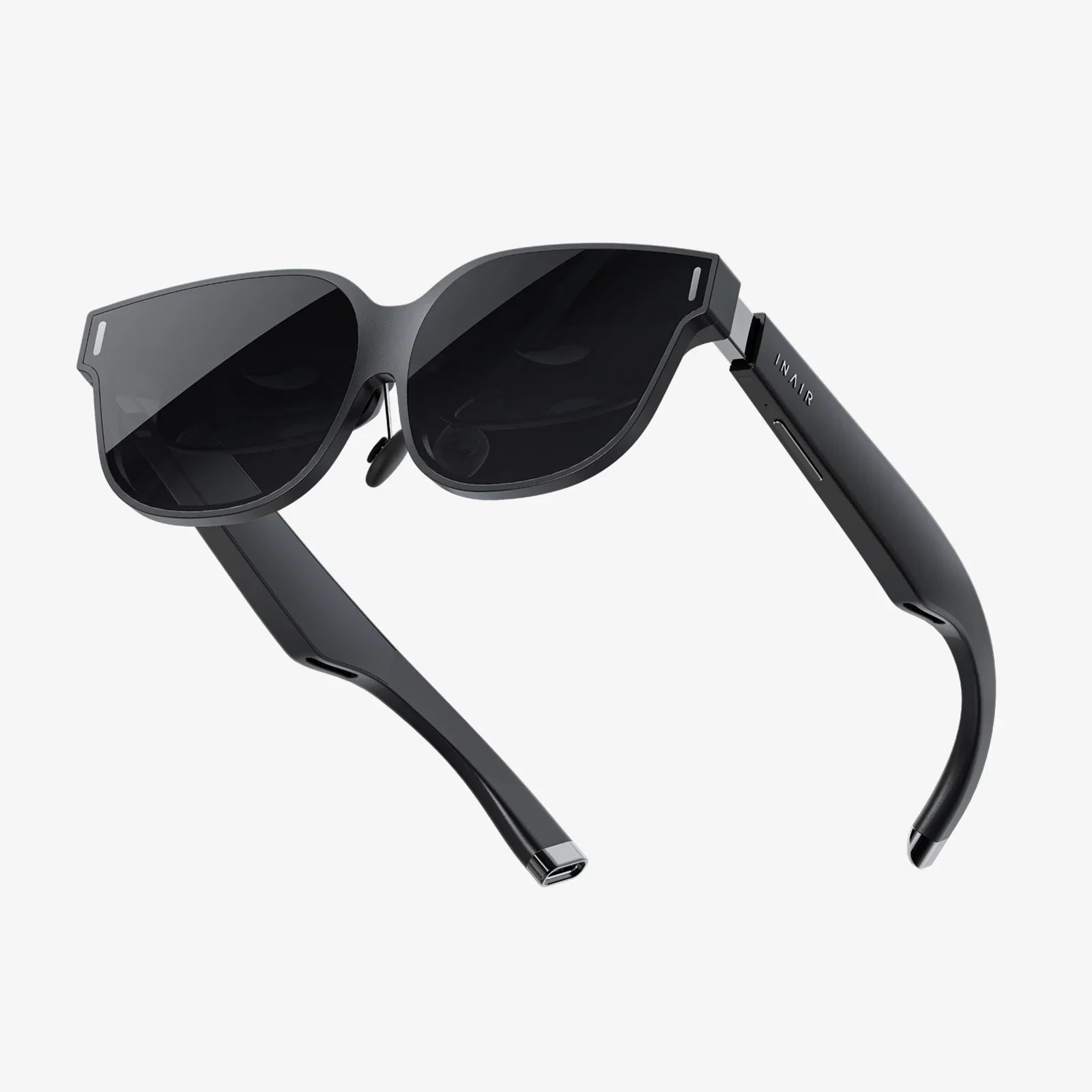
Imagine a world where your most trusted technological companion isn’t a device you look at, but one you live with. It doesn’t demand your attention with pings and notifications; instead, it understands your rhythms, anticipates your needs, and operates seamlessly in the background of your life. This is the promise, and the emerging reality, of the single wearable—a revolution not of screens and keyboards, but of sensors and subtlety, poised to fundamentally alter our existence.
The Convergence: From Novelty to Necessity
The journey of the wearable began with simple pedometers, devices that counted steps as a curious metric of daily activity. They were single-function gadgets, interesting but not indispensable. The transformation into the modern single wearable is a story of radical technological convergence. It is no longer just about counting steps; it is a symphony of miniaturized technologies working in concert on your wrist, finger, or ear.
Advanced inertial measurement units (IMUs) and high-precision GPS track movement with astonishing accuracy, mapping not just how far you've gone, but how you moved—the cadence of your run, the smoothness of your swim stroke. Optical photoplethysmography (PPG) sensors shine light into the skin to detect blood volume changes, providing a continuous, non-invasive window into your cardiovascular system. This allows for heart rate monitoring, heart rate variability analysis, and even blood oxygen saturation estimates.
Electrodermal activity sensors measure minute changes in sweat gland activity, a key indicator of sympathetic nervous system arousal and stress. Skin temperature sensors provide another data point for understanding metabolic state, sleep cycles, and even the onset of illness. Microphones and sophisticated algorithms can analyze ambient noise levels for hearing health or detect snoring patterns. This dense sensor array creates a rich, multi-dimensional data stream, a digital echo of your physical self.
But hardware is only half the story. The true magic lies in the artificial intelligence and machine learning algorithms that process this torrent of raw data. These algorithms find patterns invisible to the human eye: the subtle cardiac signature of atrial fibrillation, the physiological markers of a panic attack before you consciously feel it, the decline in sleep quality correlated with poor lifestyle choices. The single wearable is evolving from a data collector to an intelligent interpreter of the human body.
Beyond Fitness: The Expansion into Holistic Health
While fitness tracking remains a core application, the scope of the single wearable has exploded into the vast domain of holistic health. It is becoming a 24/7 health guardian, moving medicine from the reactive to the proactive and preventive.
In cardiology, devices are now capable of performing electrocardiograms (ECGs) that can identify arrhythmias, providing data that was once only available in a clinical setting. For sleep science, wearables offer unparalleled insight into sleep architecture—tracking light, deep, and REM sleep cycles, identifying disruptions, and offering evidence-based suggestions for improvement. This moves sleep from a subjective feeling of restfulness to an objective, optimizable metric.
Mental and emotional wellbeing is the new frontier. By correlating heart rate variability, electrodermal activity, and sleep data, devices can provide users with a tangible stress score and guided breathing exercises to manage anxiety. They can nudge you to take a mindful moment when biomarkers indicate rising tension, effectively acting as an always-available therapist in your pocket. Furthermore, by tracking activity and social interactions (through analysis of location and communication), they can provide insights for managing conditions like depression, where lethargy and social isolation are key symptoms.
This shift empowers individuals with unprecedented knowledge about their own bodies. It democratizes health data, enabling people to have more informed conversations with healthcare professionals and take a more active role in their own wellness journey. The single wearable is, in essence, creating a new category of continuous, ambulatory health monitoring that bridges the gap between annual check-ups.
The Invisible Interface: A New Human-Computer Relationship
The most profound impact of the single wearable may be on how we interact with technology itself. For decades, the paradigm has been one of mastery—we command our devices through deliberate input. The wearable introduces a paradigm of context. It aims to understand your situation so completely that it offers the right information or function at the right time, without being asked.
This is the concept of the invisible interface. Your device knows you are in a meeting because of your location, calendar, and lack of movement; it automatically silences notifications. It knows you are driving and reads your text messages aloud. It senses you have fallen asleep and gradually dims the lights in your smart home. It detects a sudden fall and can automatically call for help if you are unresponsive.
This technology is also paving the way for the body to become the ultimate authentication tool. Your unique cardiac rhythm or your specific gait pattern could become a key to unlock your door, your car, or your digital financial accounts, replacing passwords, pins, and physical keys with a biometric identity that is always with you and incredibly difficult to steal or replicate.
This move towards anticipatory and ambient computing promises to free us from the tyranny of the screen. Technology recedes into the background, enhancing our lives without fragmenting our attention. The goal is no longer to create a more engaging device, but a less intrusive one—a tool that supports rather than distracts, that understands rather than obeys.
The Data Dilemma: Privacy, Ownership, and the Shadow of Surveillance
This incredible power does not come without a price, and that price is data. The single wearable generates the most intimate dataset ever assembled on an individual: a real-time record of your body, your location, your habits, and your health. This raises monumental questions about privacy, security, and ownership.
Who truly owns this data? Is it the individual from whom it is sourced, or the company that designed the device and stores the information on its servers? The business models of many tech companies are built on data monetization, creating a fundamental conflict of interest. Could health insurance premiums one day be adjusted based on data from your wearable? Could this data be subpoenaed in legal proceedings or used by employers to make hiring decisions?
The security of this data is paramount. A breached email password is inconvenient; a breached biometric and health data profile is catastrophic, as this information is permanent and uniquely yours. The aggregation of such intimate data also creates a powerful tool for surveillance, both by corporations and by state actors. The potential for a social credit system based on health and behavioral metrics is a dystopian possibility that cannot be ignored.
Navigating this new landscape requires robust legal frameworks that prioritize individual data sovereignty. Concepts like the right to be forgotten, the right to data portability, and strict, transparent rules on anonymization and third-party data sharing are not just policy debates; they are essential safeguards for our future autonomy in a world of pervasive sensing.
The Horizon: From Monitoring to Augmentation and Integration
The future of the single wearable stretches far beyond its current capabilities. We are moving from monitoring physiological metrics to actively intervening and augmenting human capability.
Next-generation sensors will move from the wrist to more integrated form factors like smart rings, patches, and even smart fabrics woven directly into clothing. These will provide even more accurate and continuous data streams. Non-invasive blood glucose monitoring is a holy grail of medical technology, and progress is being made using spectroscopic sensors that could revolutionize diabetes management.
Brain-computer interfaces represent the ultimate frontier. While still in early stages, devices that can read neural signals could allow us to control technology with our thoughts, restore function to individuals with paralysis, and even enhance cognitive performance. This would blur the line between device and self, transforming the wearable from an external tool into a true extension of the human nervous system.
The ultimate goal is a closed-loop system: a device that not only tells you your blood sugar is dropping but automatically communicates with a dispenser to release glucose; a device that not only detects an asthma attack but triggers an inhaler; a device that understands your nutritional deficiencies and recommends a meal. The single wearable will become the central node in a personalized, automated health and lifestyle ecosystem.
The single wearable is far more than a gadget; it is a portal. It is the point where our analog, biological selves meet the digital world, creating a feedback loop that has the power to make us healthier, safer, and more efficient. But this power is a double-edged sword, demanding a new social contract built on ethics, security, and uncompromising respect for individual autonomy. We are not just adopting a new piece of technology; we are weaving it into the very fabric of our humanity, and we must do so with our eyes wide open to both its miraculous potential and its profound perils.
This isn't just about tracking your next workout; it's about a device learning the silent language of your body, anticipating a health crisis before you feel it, and acting as a digital guardian that works so seamlessly you might just forget it's there—until the moment it quietly saves your life.
Share:
What Is AR Services? The Ultimate Guide To The Augmented World
VR Goggles for Watching TV: The Ultimate Guide to Your Personal Cinema