


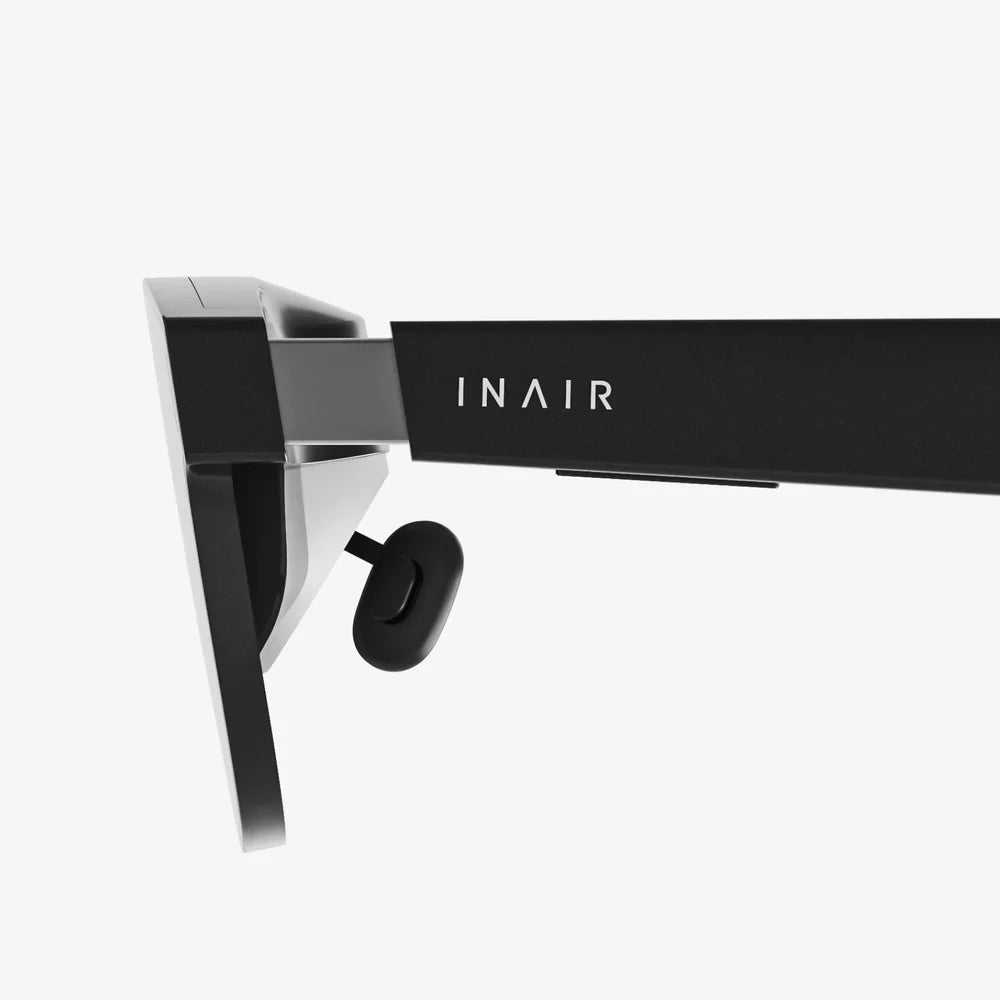
Imagine the scene: the lights dim, the surround sound kicks in, and a hundred-foot-wide screen flickers to life with your favorite show. Now, imagine that entire cinema exists only for you, projected inside a pair of goggles you can wear from the comfort of your couch, a plane seat, or even your bed. This is no longer the stuff of science fiction. The emergence of dedicated VR goggles for watching TV is fundamentally reshaping our relationship with entertainment, offering an unparalleled level of immersion and personalization that traditional screens simply cannot match. This isn't just a new way to watch; it's a complete reimagining of the viewing experience.
The Allure of the Personal Cinema: Why Make the Switch?
For decades, the home entertainment arms race was defined by size and resolution. We progressed from small cathode-ray tubes to massive, paper-thin 4K and 8K panels that dominate living room walls. Yet, this pursuit has inherent limitations. There's a physical and financial ceiling to how large a television can be. There's the constant struggle with ambient light, reflections, and finding the perfect viewing angle. And then there's the issue of shared spaces—compromising on volume, content, or dealing with distractions from others.
VR goggles shatter these limitations. They replace the physical screen with a virtual one, one that can be scaled to feel immeasurably vast. The effect is the psychological sensation of having a private, perfect-quality movie theater strapped to your face. This immersive quality is the primary driver for adoption. When you put on the headset, the outside world fades away. You are not just watching a story; you are in it. The heightened focus means you catch subtle visual details and nuances in sound that you might otherwise miss, leading to a more engaging and satisfying viewing session.
More Than Just a Big Screen: The Enhanced Features
While the colossal virtual screen is the headline feature, the true power of using VR for television lies in the suite of enhanced capabilities that come bundled with the technology.
- 3D Content Revival: The lukewarm reception of 3D televisions has been well-documented. However, 3D content viewed through a VR headset is a completely different experience. Without the need for dim glasses and with perfect alignment maintained regardless of your head position, VR delivers stunning, comfortable, and immersive 3D that finally delivers on the promise of the technology.
- Ambient Environments: Why watch on a black void? Many VR video players allow you to customize your virtual environment. You can choose to sit in a cozy loft apartment with a cityscape outside the virtual window, a serene beach at dusk, or even a spaceship observatory. These environments add a layer of atmosphere and context that enhances the mood of whatever you're watching.
- Perfect Viewing Conditions, Always: Glare from a window? A lamp creating a reflection? Someone turning on a light? None of these are issues in a virtual space. The image quality remains consistent and perfect, isolated from the chaos of your physical environment.
Technical Considerations: Resolution, Comfort, and Content
Adopting this new technology requires an understanding of a few key technical aspects. The most crucial factor is resolution. Because the screen is magnified by lenses to fill your field of view, the perceived pixel density is critical. Lower-resolution headsets can suffer from a "screen door effect," where the gaps between pixels are visible, making the image look grainy. For a truly premium television-watching experience, a high-resolution display is non-negotiable. Look for terms like "4K per eye" or high pixel-per-degree (PPD) counts for the clearest, most lifelike image.
Next is comfort. Strapping a device to your head for a two-hour movie is different from a twenty-minute VR game. Weight distribution, padding, and strap design are paramount. A poorly balanced headset can cause neck strain and discomfort, pulling you out of the experience. Many modern devices prioritize ergonomics with improved materials and designs specifically for extended media consumption.
Finally, there's content access. The best headsets function as standalone devices with their own app stores, granting access to all major streaming services through dedicated applications. These apps are designed specifically for VR, offering optimized virtual screens and environments. Alternatively, some headsets can connect to a computer, allowing you to mirror your desktop and access any content available on your PC or Mac, from streaming services to personal media libraries.
Potential Drawbacks and Considerations
As with any nascent technology, there are trade-offs to consider. Social isolation is the most frequently cited drawback. Watching television has historically been a shared, social activity. While some apps offer "watch together" features where you and a friend in another physical location can share a virtual theater and even see each other's avatars, it's not the same as sharing a physical couch with loved ones. This technology, for now, is primarily a solitary experience.
Eye strain is another consideration. While modern headsets have improved dramatically, focusing on a screen that is physically inches from your eyes but virtually far away can still cause fatigue for some users. It's advisable to take regular breaks, just as you would when working on a computer.
There's also the simple matter of convenience. Putting on a headset is an intentional act. It's a barrier to that quick, casual glance at the news or background viewing that a traditional television provides. It's a commitment to immersion, which, while a strength, can also be a limitation for everyday, passive watching.
The Future of Viewing: Where Do We Go From Here?
The current iteration of VR goggles for TV is impressive, but it merely scratches the surface of what's possible. The future points towards even more seamless integration of our digital and physical worlds. We are moving towards Mixed Reality (MR) devices, which use high-resolution passthrough cameras to blend virtual screens with your real environment. Imagine having a flawless 100-inch television digitally anchored to your living room wall, visible only to you through lightweight glasses. You could interact with family members, grab a drink from the coffee table, and never lose sight of the real world, all while enjoying a larger-than-life private screen.
Further ahead, advancements in holographic displays and neural interfaces could make the very concept of a "screen" obsolete, instead projecting entertainment directly into our field of vision or even our minds. The goal is ultimate fidelity and ultimate convenience, removing the last remaining barriers to total immersion.
The living room television isn't going away anytime soon. It remains the hub for social gatherings, parties, and casual viewing. However, the rise of VR goggles for watching TV carves out a powerful and compelling new niche. It offers a sanctuary for the serious cinephile, a distraction-free zone for the enthusiast, and a portable cinema for the traveler. It represents the ultimate form of on-demand, personalized entertainment, a window into any world, at any scale, anywhere you are. The age of the personal, immersive cinema has arrived, and it fits perfectly on your head.
Share:
Single Wearable: The Unseen Revolution in Personal Technology and Data Sovereignty
Different Types of Wearable Computers: A Deep Dive into the Tech on Your Body