


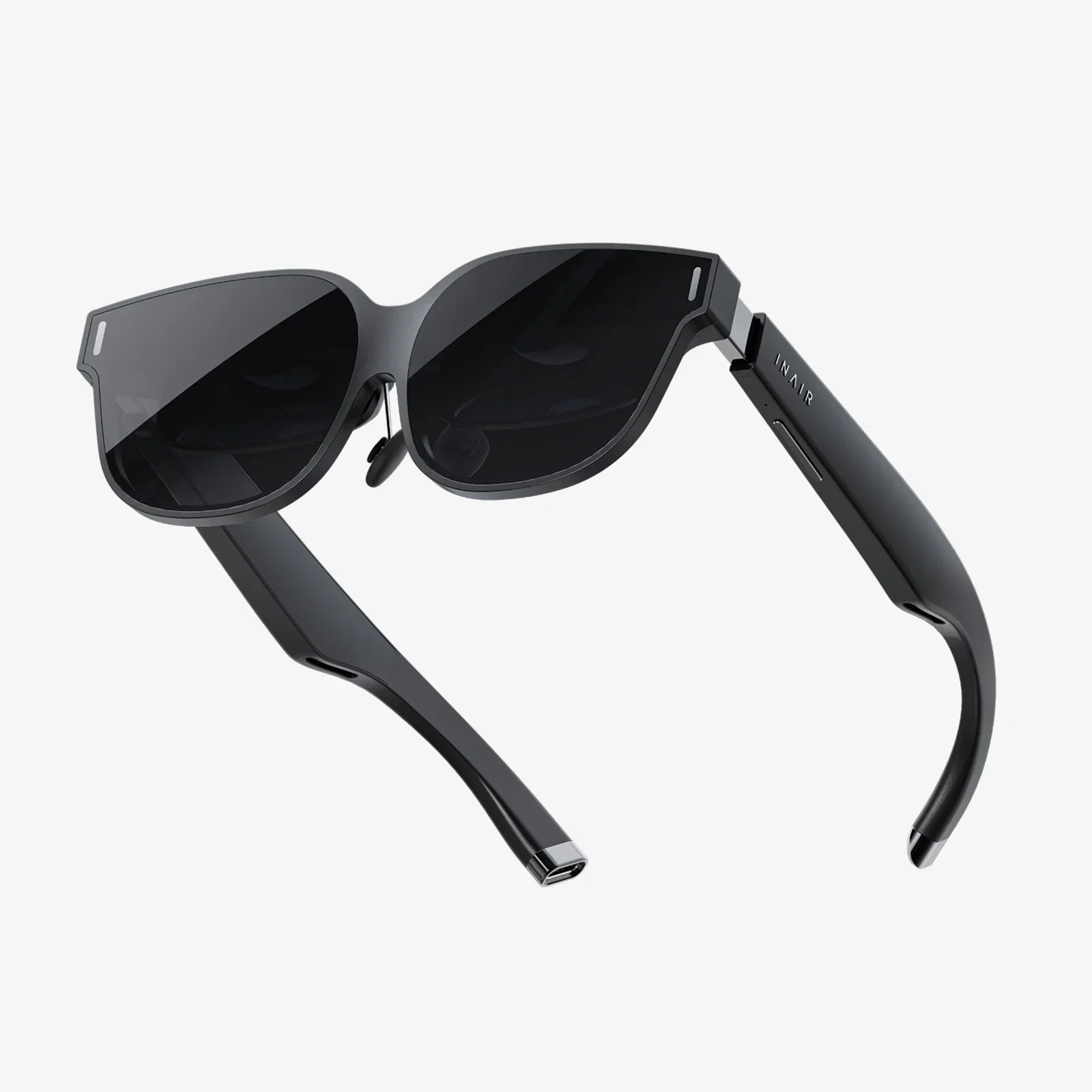
Imagine stepping out of a dimly lit cafe into the blinding afternoon sun, and before you can even blink, your sunglasses have already transformed from nearly clear to a deep, protective shade. This isn't science fiction; it's the reality offered by the latest generation of smart color changing sunglasses, a revolutionary leap in eyewear that seamlessly blends advanced optical science with digital intelligence to create the most adaptive, comfortable, and futuristic visual experience imaginable.
The Evolution of Light-Adaptive Technology: From Photochromics to Intelligence
The journey to today's smart sunglasses began decades ago with the invention of photochromic lenses. These traditional lenses, which darken upon exposure to ultraviolet (UV) light, were a marvel of material science. Molecules within the lens, typically silver halide crystals, would undergo a reversible chemical change when struck by UV radiation, causing them to darken. As UV light diminished, the molecules would revert to their clear state. While innovative for their time, these lenses had significant limitations. The reaction time was often slow, taking several minutes to transition both ways. Their performance was also heavily influenced by temperature; they would darken less effectively on hot days and might not lighten fully in a cold car. Furthermore, they were entirely dependent on UV light, meaning they wouldn't darken behind a car windshield, which blocks most UV rays, leaving drivers squinting.
Smart color changing sunglasses represent a quantum leap beyond this old technology. They have evolved from being purely reactive to being proactive and intelligent. Instead of relying solely on passive photochemistry, they incorporate a suite of miniature electronic components:
- Electrochromic Lenses: At the heart of the system are lenses made from electrochromic material. This material changes its light transmission properties, and thus its tint, in response to a small electrical voltage. This allows for precise, rapid, and controllable darkening and lightening.
- Ambient Light Sensors: Tiny, sophisticated sensors continuously measure the intensity of visible light in the environment, from the soft glow of a cloudy day to the harsh glare of a snow field.
- Microprocessors: A small, integrated chip acts as the brain, processing data from the light sensors in real-time. It runs algorithms designed to determine the optimal tint level for comfort and protection.
- Rechargeable Batteries: All this technology is powered by a discreet, long-lasting battery, often charged via a USB-C port or a wireless charging case, ensuring the sunglasses are always ready for use.
This shift from chemical reaction to digital control is what defines them as "smart." It's the difference between a simple tool and a connected, intelligent device designed for your eyes.
How This Intelligent Technology Actually Works
The magic of these sunglasses happens in a continuous, seamless loop of sensing, processing, and acting. It's a process so swift and intuitive that the wearer soon forgets it's even happening.
- Sensing: Multiple micro-sensors embedded in the frame constantly sample the ambient light conditions. Some advanced models may also incorporate accelerometers to detect motion (like a driver getting into a car) or even simple gesture controls.
- Processing: The onboard microprocessor analyzes the sensor data thousands of times per second. It doesn't just react to a single bright light source; it assesses the entire visual field to determine the best overall tint, avoiding rapid, jarring changes when passing under a single tree or streetlamp.
- Acting: Based on its analysis, the processor sends a precise electrical signal to the electrochromic layer within the lenses. Applying voltage causes the ions in this layer to migrate, darkening the lens. Reducing the voltage causes the ions to migrate back, lightening the lens. This entire cycle can occur in a fraction of a second, providing near-instantaneous adaptation.
The level of customization is a key differentiator. Through a companion smartphone application, users can often fine-tune the behavior of their sunglasses. You can set a maximum darkness level, create profiles for specific activities like driving or cycling, or even manually override the automatic function to lock in a specific tint, whether you're in a bright or low-light situation.
Unpacking the Tangible Benefits for the Modern User
Beyond the undeniable "cool factor," smart color changing sunglasses offer a multitude of practical advantages that enhance daily life, safety, and visual performance.
Superior Visual Comfort and Reduced Eye Strain
The primary benefit is unparalleled visual comfort. Our eyes are constantly working to adjust to changing light levels, a process that can lead to significant fatigue, especially after a long day of moving between indoor and outdoor environments. By automatically maintaining a consistent, optimal level of luminance reaching the retina, these sunglasses eliminate the strain caused by squinting in bright light or struggling to see in relative darkness after being in the sun. This is particularly beneficial for individuals who are light-sensitive or suffer from conditions like photophobia.
Enhanced Safety and Reaction Times
For drivers, this technology is a game-changer for safety. Traditional sunglasses might be too dark in a sudden tunnel or under a bridge, while photochromic lenses won't darken behind the wheel at all. Smart sunglasses solve this perfectly. They adapt instantly to the changing light conditions of the road, from bright highways to dark tree-lined streets, ensuring the driver's vision is always clear and unobstructed. This can shave critical milliseconds off reaction times, potentially preventing accidents. The same principle applies to cyclists, runners, and pilots, for whom clear and comfortable vision is non-negotiable for safety.
The Ultimate Convenience and Versatility
They effectively render the need for multiple pairs of sunglasses obsolete. You no longer need to carry a separate pair of prescription sunglasses or swap between clear glasses and sunnies. One pair does it all, seamlessly transitioning from a bright outdoor concert to a dim indoor afterparty. This makes them an ideal travel companion, reducing clutter and simplifying packing. They adapt to any activity, any weather, and any time of day, offering a "set it and forget it" convenience that is deeply integrated into your lifestyle.
Advanced Protection as a Standard Feature
While the adaptive tint is the headline feature, these are, first and foremost, high-performance sunglasses. They consistently provide 100% protection against harmful UVA and UVB rays, regardless of how light or dark the tint is at any given moment. Many models also include additional lens treatments as standard, such as polarization to eliminate blinding glare reflected from water, snow, or roads, and scratch-resistant coatings to ensure durability. This built-in comprehensive protection is a critical aspect of their value proposition.
Considerations and The Path to Your Perfect Pair
As with any emerging technology, there are factors to consider before making an investment.
The most apparent consideration is cost. The sophisticated components and complex manufacturing process place smart sunglasses at a higher price point than most conventional or photochromic eyewear. For many, the benefits in convenience, performance, and eye health justify the investment as a long-term tool for visual wellness.
There is also a dependence on battery power. While battery life is typically excellent, often lasting for multiple days on a single charge, the glasses will require periodic recharging. Most models have a fail-safe mode, defaulting to a clear or lightly tinted state if the battery is depleted, ensuring you are never left completely in the dark.
When shopping, it's crucial to look beyond the buzzwords. Key features to prioritize include:
- Transition Speed: How quickly do the lenses change? Demo videos or in-person testing can reveal this.
- Tint Range: What is the range from lightest to darkest? A wider range offers more versatility.
- Battery Life and Charging Method: Consider your usage patterns and whether wireless charging is important to you.
- Fit and Prescription Options: Comfort is paramount. Ensure the frame style suits your face, and check if the brand offers prescription lens integration if needed.
- App Functionality: If customization is important, review what controls the companion app offers.
The Future of Vision: What Lies Ahead for Smart Eyewear
The current capabilities of smart color changing sunglasses are just the beginning. The frame is becoming a platform for a suite of integrated technologies that will further redefine our relationship with what we see. We are already seeing the convergence of adaptive tint with other forms of augmented reality (AR). The same electrochromic technology could be used to create AR displays that are only visible when the lens is in a certain state. Future iterations could incorporate:
- Heads-Up Displays (HUDs): Projecting navigation, speed, or notification data directly onto the lens.
- Biometric Sensors: Monitoring health metrics like heart rate, blood oxygen levels, or even signs of fatigue through sensors in the frame.
- Environmental Sensors: Measuring air quality or UV index in real-time and providing alerts.
- Advanced Connectivity: Deeper integration with our digital ecosystems, allowing for voice control, music playback, and call management directly through the glasses.
This trajectory points toward a future where our eyewear is not just a tool for seeing but a central, intelligent hub for managing our health, our environment, and our digital interactions—all while providing perfect, personalized visual comfort.
Forget fumbling with multiple pairs or squinting through outdated lenses; the next era of personal optical technology is here, offering a seamless, adaptive visual experience that feels less like wearing glasses and more like possessing a superpower tailored specifically for your eyes. The future of sight is not just clearer or darker—it's smarter, and it's waiting for you to step into the light.
Share:
Augmented Reality Future Scope: Beyond the Screen and Into Our World
VR Glasses for TV: The Ultimate Immersive Home Cinema Experience