


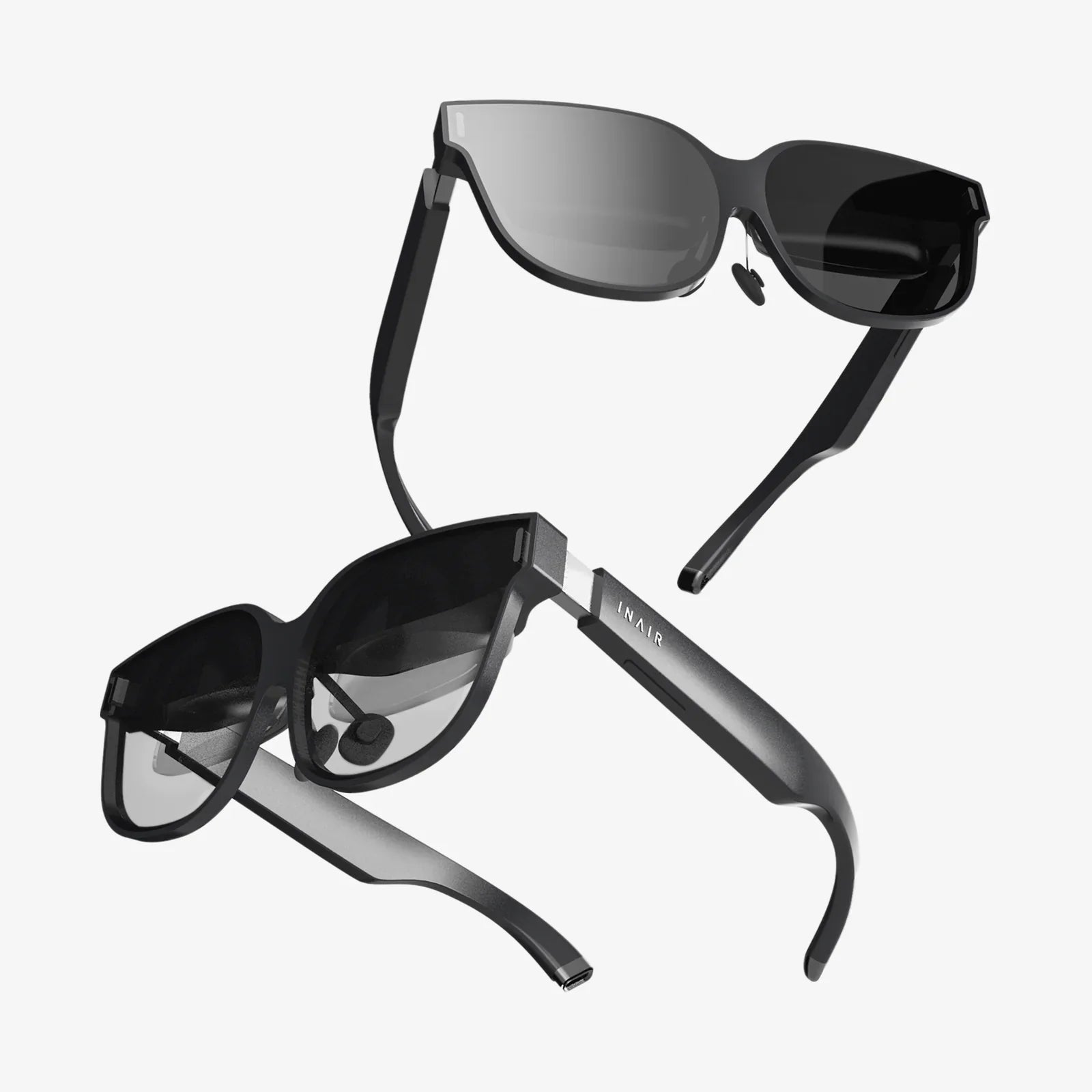
Imagine a world where your every command is anticipated, your home adjusts to your whims before you even voice them, and your digital life flows seamlessly from one screen to the next. This isn't a distant sci-fi fantasy; it's the promise of our current smart device ecosystem. Yet, for all the glossy marketing and sleek designs, the true magic—the invisible thread that weaves these individual gadgets into a cohesive tapestry of modern living—is something far less glamorous but infinitely more critical: robust, intelligent, and forward-thinking smart device support. This is the unsung hero, the silent guardian that determines whether your connected life is a symphony of convenience or a cacophony of frustration.
The Pillars of Modern Support: Beyond Basic Troubleshooting
Gone are the days when support for an electronic device meant a dusty manual and a helpline that charged by the minute. Smart device support has evolved into a sophisticated, multi-layered discipline built on several foundational pillars.
Proactive Security and Firmware Updates
In a landscape rife with digital threats, reactive support is a recipe for disaster. The first and most crucial pillar is proactive security. This involves a continuous cycle of monitoring for vulnerabilities and deploying firmware updates—the essential software embedded in the device's hardware. Effective support doesn't just release patches; it pushes them automatically and seamlessly to user devices, often in the background, ensuring that a security flaw discovered on Monday is patched for the entire user base by Tuesday. This constant vigilance is what protects your personal data, your home network, and your privacy from malicious actors. A device without a committed, long-term update policy is not a smart device; it's a liability waiting to happen.
Intuitive Software and Interoperability
The second pillar is the creation and maintenance of intuitive software interfaces and robust interoperability standards. Support begins long before a user has a problem; it starts with the user experience (UX) design of the accompanying application. A well-supported device features an app that is easy to navigate, with clear labels and logical workflows. Furthermore, true smart device support champions interoperability—the ability for devices from different ecosystems to communicate with each other. Support teams must ensure their products play nicely with major smart home platforms and emerging universal standards, preventing users from being locked into a single brand's walled garden. This effort to create a unified, rather than fragmented, user experience is a monumental but necessary task.
Multi-Channel, Knowledgeable Assistance
When issues do arise, the third pillar comes into play: accessible and knowledgeable human and automated assistance. Modern support is omni-channel. It encompasses:
- Comprehensive Knowledge Bases: Searchable online libraries filled with setup guides, troubleshooting articles, and FAQs for users who prefer self-service.
- AI-Powered Chatbots: Capable of handling common queries instantly, 24/7, and escalating complex issues to human agents.
- Responsive Support Teams: Well-trained technicians accessible via email, phone, or chat, who possess a deep understanding of the product and the broader ecosystem it operates within.
The goal is to meet the user on their terms and resolve their issue with minimal friction, transforming a potentially negative experience into a positive affirmation of their purchase.
The Ripple Effect: How Superior Support Builds More Than Just Fixes
The impact of exceptional smart device support extends far beyond solving a connectivity glitch or walking a user through a reset procedure. It creates a powerful ripple effect that benefits the user, the manufacturer, and the entire technology industry.
Cultivating User Trust and Brand Loyalty
In an era where data is currency, trust is the most valuable asset a technology company can possess. Consistent, reliable support is a primary trust-builder. When a company demonstrates a long-term commitment to its products through years of software updates, it signals to users that they are valued partners, not just one-time consumers. This fosters immense brand loyalty. A user whose issue was resolved quickly and courteously is far more likely to recommend that brand to friends and family and to invest in more products from the same ecosystem. Support is not a cost center; it is a potent marketing and retention tool.
Driving Sustainable Practices
Strong support is also inherently linked to sustainability. By extending the functional lifespan of a device through software updates and repairs, manufacturers combat the pervasive culture of disposability and planned obsolescence. A smartphone that receives four years of OS updates remains secure and functional for far longer, delaying its journey to a landfill. Support empowers the right-to-repair movement by providing users and third-party technicians with the necessary manuals, diagnostic tools, and genuine parts. This shift from a linear (take-make-waste) to a circular economy model is critically dependent on a robust support infrastructure.
Shaping the Future Through Feedback Loops
A less obvious but equally important effect is the role of support as a critical feedback loop for research and development. Support teams are on the front lines, hearing every day about the real-world problems, use cases, and desires of users. This data is a goldmine for product designers and engineers. Patterns in support tickets can reveal a common usability hurdle that needs to be redesigned in the next model, or an unexpected way people are using a device that could inspire a new feature. In this way, effective support doesn't just maintain existing products; it actively helps build better, more user-centric future ones.
Navigating the Support Landscape: A User's Guide
As a consumer, your experience with the smart device ecosystem is heavily influenced by the support behind it. Being an informed buyer can save you countless hours of frustration. Before your next purchase, consider these factors related to support.
Key Questions to Ask Before You Buy
- What is the update policy? Specifically, how long has the manufacturer committed to providing regular security and firmware updates? A vague promise is not enough; look for a concrete timeline (e.g., "a minimum of 5 years of security updates").
- How does interoperability work? Does the device work with the smart home platform you already use (e.g., Matter, or others)? Or will it require its own proprietary hub and app, creating another silo?
- What support channels are available? Check the company's website. Do they have a detailed knowledge base? Is live chat available? What are their support hours?
- What are the repair options? Does the company offer self-repair programs with official parts and guides? Do they have a network of authorized service providers?
Red Flags and Green Flags
Red Flags: A complete lack of information on updates or support. Products that are disconnected from major ecosystems without a good reason. A history of devices being abandoned by the manufacturer shortly after release. Difficulty finding contact information for support.
Green Flags: A clear, publicly stated update policy. Participation in universal standards. An easy-to-navigate support portal with community forums, detailed guides, and multiple contact methods. A visible commitment to longevity and repairability.
The Horizon: The Future of Smart Device Support
The evolution of smart device support is accelerating, driven by advancements in artificial intelligence and a growing demand for universal standards. The future of support is predictive and immersive.
The Rise of Predictive and Automated Resolution
AI will move beyond simple chatbots. Future systems will leverage machine learning to analyze device data in real-time, predicting failures before they happen. Imagine your Wi-Fi router detecting a degrading component and automatically ordering a replacement part while simultaneously sending you a notification and a video guide for the five-minute swap. Or a smart speaker identifying a software conflict after a new update and rolling itself back to a stable version without any user intervention. Support will become increasingly invisible, resolving issues proactively and automating complex troubleshooting steps.
Augmented Reality and Remote Assistance
Augmented Reality (AR) will revolutionize hands-on support. Through your smartphone's camera, a support technician could overlay digital arrows and instructions onto the physical device in your home, guiding you to press a specific reset button or check a particular LED light. This "see-what-I-see" technology can make complex setups and repairs accessible to everyone, reducing the need for costly home visits and minimizing device downtime.
The Standardization Revolution
The industry-wide push for universal standards is perhaps the most significant boon for support. By ensuring devices are built on a common foundation of communication, standards drastically reduce compatibility issues and simplify the user experience. This allows support teams to focus on deeper, more valuable interactions and complex problem-solving, rather than wasting resources on basic connectivity problems that stem from proprietary protocols.
The seamless, intuitive, and magically responsive smart home we've been promised isn't built on hardware alone. It is forged in the relentless, often unseen, work of dedicated support systems—the teams that write the code for tomorrow's update, the engineers who design for repairability, and the technicians who answer the call at 2 a.m. Choosing a device is no longer just about specs and features; it's a vote for a ecosystem that values your security, your time, and your place in a connected world that actually works.
Share:
Hey Glasses AI Smart Glasses Are Redefining Our Interaction With The Digital World
History of Wearable Computers: From Abacus Rings to the AI-Powered Future