


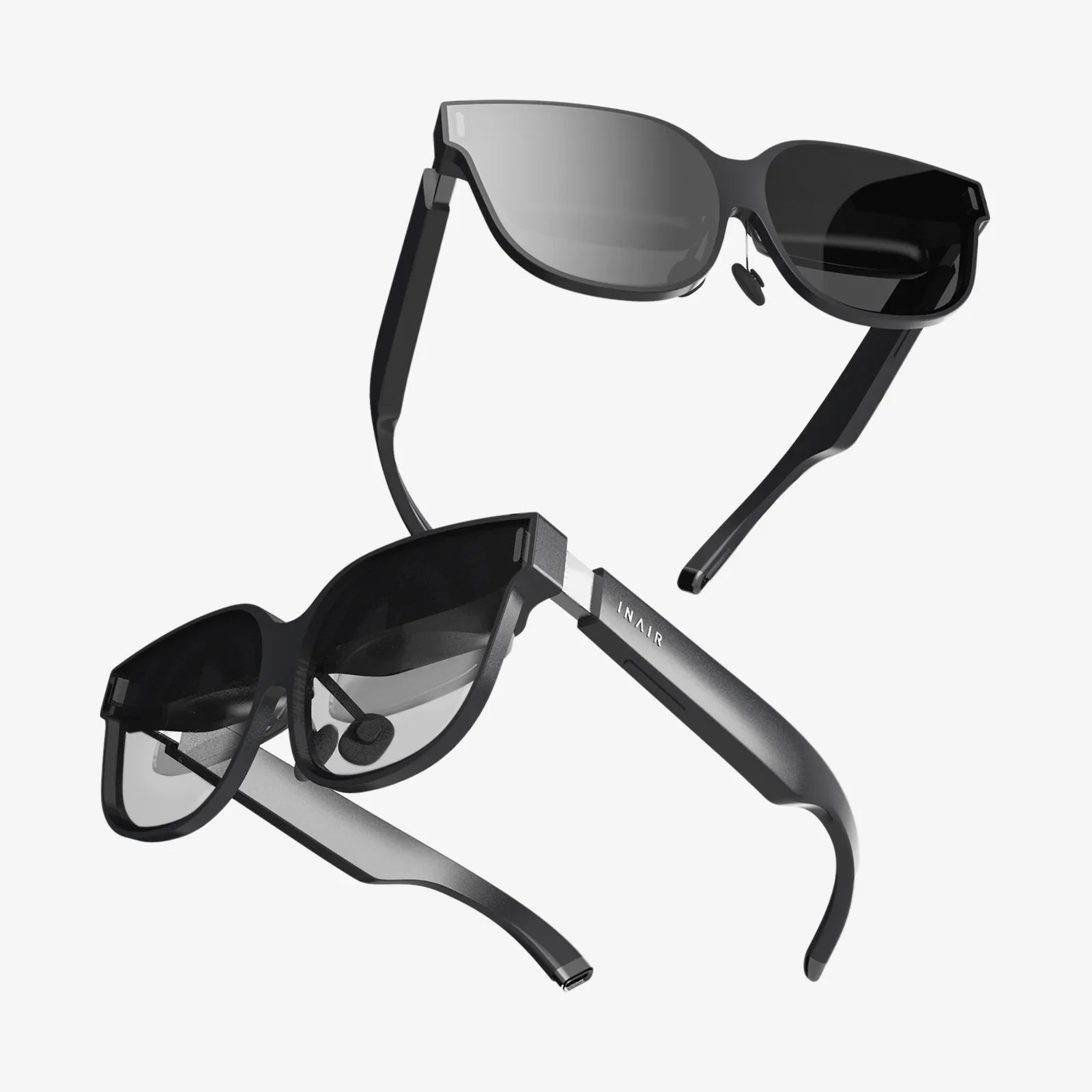
Imagine walking into a meeting room where the lights automatically adjust to the perfect level, the screen powers on the instant you think of your first point, and a digital assistant has already curated the exact data you need to win over your colleagues. This isn’t a scene from a distant sci-fi future; it’s the rapidly emerging reality of the modern workplace, all thanks to the sophisticated integration of smart devices and meetings. The era of fumbling with cables, wasting precious minutes on setup, and struggling to hear remote participants is giving way to a new age of intelligent, seamless, and profoundly productive collaboration. The revolution is not just happening—it’s inviting you to step inside.
The Architectural Shift: From Passive Rooms to Active Participants
Traditional meeting spaces have long been passive environments. A table, some chairs, a display, and a speakerphone were simply tools waiting to be used. The cognitive load of operating these tools fell entirely on the meeting participants, creating friction before a single word of substantive discussion could even begin. The integration of smart technology is fundamentally altering this dynamic, transforming the meeting room itself into an active participant in the collaborative process.
At the core of this shift are interconnected ecosystems of devices. Central scheduling panels outside rooms sync with digital calendars to display real-time availability and current meeting status. Inside, arrays of microphones use beamforming technology to isolate and amplify individual voices, ensuring crystal-clear audio for everyone in the room and those joining remotely. Smart cameras employ AI to automatically frame shots, zooming in on the active speaker or pulling back for a group view, creating a more natural and engaging experience for virtual attendees. Environmental sensors regulate lighting and temperature based on occupancy and the time of day, creating a comfortable atmosphere that fosters focus and creativity. This network of devices doesn’t just exist in isolation; it works in concert, creating a cohesive and intelligent environment that anticipates needs and removes procedural obstacles.
The Intelligence Layer: AI and Machine Learning as the Invisible Facilitator
Beyond the hardware, the true power of smart meetings lies in the software layer infused with artificial intelligence and machine learning. This intelligence acts as an invisible facilitator, streamlining every phase of the meeting lifecycle.
Pre-Meeting Preparation
AI-driven tools can now analyze the agenda and participant list to automatically suggest relevant documents, previous meeting notes, and historical data. They can proactively schedule meetings by finding optimal times that work for all attendees across different time zones, and even book the most appropriate room based on the number of attendees and required technology.
During the Meeting
This is where the magic becomes most visible. Real-time transcription services, powered by advanced natural language processing, create accurate, searchable records of the conversation. Live translation features can break down language barriers, displaying subtitles in multiple languages simultaneously. AI assistants can be summoned with a voice command to pull up specific metrics, create an instant poll, or highlight a key decision from a past discussion without anyone having to break their train of thought to search for information manually.
Post-Meeting Action
The meeting’s end is no longer the end of the process. Smart systems can automatically generate and distribute summaries, highlighting action items, key decisions, and owners. They can tag specific moments in the recording where a decision was made or a task was assigned, creating a navigable and actionable record. This transforms the meeting from a standalone event into a direct input for project management tools, ensuring that ideas discussed in the room seamlessly translate into execution.
Bridging the Divide: Creating Equitable Experiences for Hybrid Teams
Perhaps the most significant impact of smart devices has been on the rise of hybrid work. The pre-smart technology era often created a two-tiered meeting experience: a first-class experience for those physically present in the room and a frustrating, second-class experience for those dialing in remotely. Remote participants often struggled to hear, were left out of side conversations, and had difficulty reading non-verbal cues or seeing content on the screen.
Smart technology is systematically dismantling this inequity. 360-degree cameras and voice-tracking technology ensure remote participants can see and hear everyone clearly, making them feel like they are sitting at the table rather than observing from the outside. Digital whiteboards that sync instantly to personal devices allow everyone to contribute ideas simultaneously, regardless of location. Content sharing is frictionless; a single click can send a presentation to the main display and to every participant's laptop. This creates a truly unified collaborative space, fostering a stronger sense of team cohesion and ensuring that the best ideas can come from anywhere, not just from the loudest voice in the room.
Navigating the Challenges: Security, Complexity, and Human Connection
For all their benefits, the adoption of smart meeting technology is not without its significant challenges. Organizations must navigate a complex landscape of potential pitfalls.
The Paramount Concern: Security
Every connected device represents a potential entry point for cyber threats. Microphones and cameras in a boardroom are incredibly sensitive sensors that must be protected with utmost rigor. Ensuring end-to-end encryption for audio, video, and data transmission is non-negotiable. Manufacturers and IT departments must work in lockstep to provide regular security patches and enforce strict access controls. The convenience of a smart room can never come at the expense of corporate security and data privacy.
The Usability Paradox
There is a delicate balance between powerful features and simplicity. A meeting room with hundreds of features that no one can operate is less effective than a simpler, intuitive one. The goal of smart technology should be to reduce cognitive load, not increase it. Overly complex systems can lead to frustration, wasted time, and ultimately, rejection of the technology. The most successful implementations are those that are nearly invisible—they just work.
Preserving the Human Element
There is a valid concern that an over-reliance on technology could sanitize human interaction. The spontaneous laughter, the quick aside that leads to a breakthrough idea, the subtle body language that builds trust—these are the nuances of human connection that drive truly innovative collaboration. Smart devices should be designed to enhance these interactions, not replace them. The technology must serve as a bridge to better communication, not a barrier that isolates individuals behind a wall of screens and algorithms.
The Future Horizon: What’s Next for Smart Meetings?
The evolution of smart meetings is accelerating. We are moving towards even more contextual and predictive environments. Imagine a system that, upon recognizing the participants entering the room, automatically loads the specific project files likely to be discussed. Augmented reality (AR) interfaces could project data visualizations onto the conference table, allowing teams to interact with 3D models collaboratively. Biometric sensors, used ethically and with consent, could provide facilitators with real-time feedback on engagement levels, suggesting a break or a change in topic when attention wanes.
The endpoint is a meeting environment that is not just smart, but empathetic—one that understands not only the content of the discussion but also the dynamics of the people having it. It will be an environment that actively works to create the conditions for the most effective, inclusive, and human-centered collaboration possible.
The fusion of smart devices and meetings is quietly building a world where technology fades into the background, and human potential is pushed to the forefront. The frustration of unproductive gatherings is being replaced by the quiet hum of efficient collaboration, where the only thing more impressive than the technology itself is the quality of the work it enables. The tools are here, and they are waiting to transform your next big idea into a reality faster than you ever thought possible.
Share:
Why Isn't My Phone Compatible With AR? The Complete Guide to Mobile Augmented Reality Requirements
AR Live Interactive Experiences Are Redefining Digital Engagement