


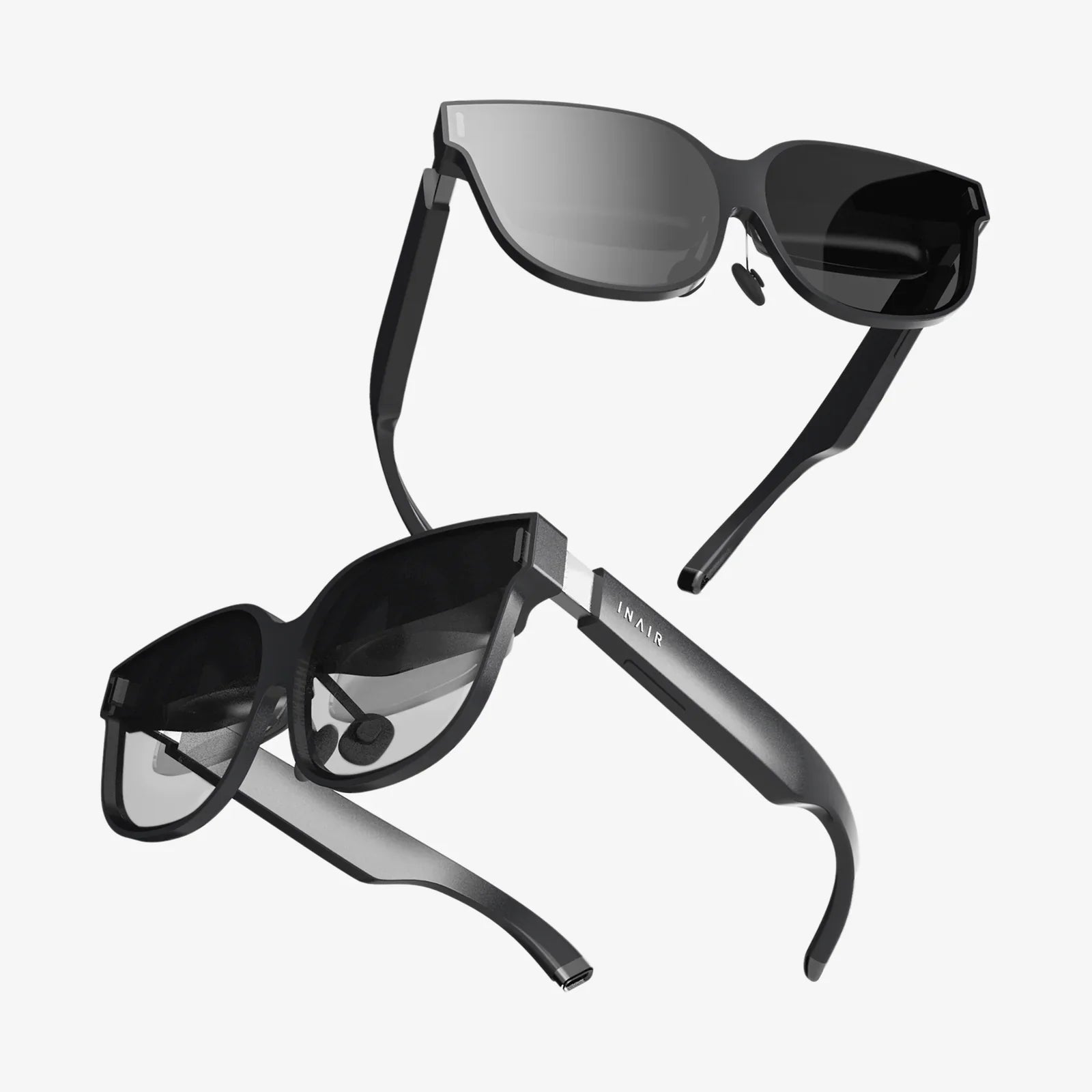
Imagine a world where digital information seamlessly blends with your physical reality, where directions float on the street before you, translations appear instantly over foreign text, and your notifications don't require you to look down at your wrist or dig into your pocket. This is no longer the realm of science fiction; it's the promise of today's smart glasses. The market is burgeoning with options, making the search for the perfect pair more exciting—and more complex—than ever. This definitive guide cuts through the noise to provide clear, actionable smart glasses recommendations tailored to your lifestyle, needs, and vision of the future.
Demystifying Smart Glasses: More Than Just a Screen
Before diving into recommendations, it's crucial to understand what smart glasses are and, perhaps more importantly, what they are not. At their core, smart glasses are wearable computer glasses that add information alongside or to the user's field of vision. However, the approach to delivering this information varies dramatically across the landscape.
Some devices prioritize augmented reality (AR), projecting vivid, interactive holograms into your world. Others focus on audio-centric experiences, offering premium sound and voice assistance without a visual display, acting more as a hands-free headset. A third category provides subtle LED notifications for discreet alerts. Understanding this spectrum is the first step in narrowing down your choices. Are you looking for a full AR experience, a private audio companion, or a simple extension of your smartphone's notification system?
Key Factors to Consider Before You Buy
Your perfect pair of smart glasses is unique to you. To find them, you need to conduct an honest assessment of how you plan to use them. Here are the critical dimensions to evaluate.
Primary Use Case: What's Your 'Why'?
The most important question to answer is: what problem do you want these glasses to solve?
- Productivity Powerhouse: Are you looking to replace multiple monitors, manage workflows on the go, or take hands-free notes during repairs? You'll need a pair with a robust display and strong software integration.
- Fitness and Navigation: For runners, cyclists, and hikers, features like real-time pace and heart rate data, route mapping overlaid on the trail, and immersive audio coaching are paramount. Durability and battery life are key here.
- Media Consumption: If your goal is a private, cinematic viewing experience for movies and games, prioritize high-resolution displays, immersive sound quality, and comfort for extended wear.
- Social Connection and Content Creation: For the vlogger or social butterfly, built-in cameras for first-person point-of-view (POV) photos and video, live streaming capabilities, and seamless social media integration are the top priorities.
- Discreet Daily Driver: If you want subtle notifications, translation features, and voice assistance without drawing attention, you'll want a minimalist, audio-focused design that looks like ordinary eyewear.
Design and Comfort: Will You Actually Wear Them?
Smart glasses are a wearable first and a tech device second. If they aren't comfortable or you dislike how they look, they'll end up in a drawer. Consider weight, frame material, and fit. Do you prefer a bold, tech-forward statement or a classic, low-profile design that blends in? Many modern options offer customizable lenses, allowing you to insert your own prescription, which is a non-negotiable feature for many.
Display Technology: The Window to Your Digital World
The method of projection is a defining characteristic. Waveguide technology uses tiny gratings to bend light into the eye, allowing for sleek designs. MicroLED projectors are small, bright, and efficient. The quality of the display—its brightness (measured in nits), resolution, field of view (FOV), and ability to handle different lighting conditions—will directly impact your satisfaction, especially for AR applications.
Battery Life and Ecosystem
There's a constant trade-off between performance and battery longevity. Audio-focused glasses can often last a full day or more, while powerful AR glasses with bright displays may only offer a few hours of active use. Also, consider the ecosystem. While many glasses work with both major mobile operating systems, some features might be optimized for one over the other.
Smart Glasses Recommendations by Category
Based on the factors above, here are our tailored recommendations segmented by primary use case. Remember, the "best" glasses are the ones that best fit your specific needs.
For the Productivity Pro and Digital Nomad
This user demands a large, clear digital canvas. They need a device that can act as a portable workstation, displaying multiple virtual screens for coding, designing, or analyzing data. Key features here are a high-resolution display, precise hand-tracking or a compatible controller for interaction, and robust software that supports professional applications. Look for models that offer a wide field of view to make virtual screens feel expansive and natural. Battery life remains a challenge for this category, so managing expectations around cordless use is important, though many can be used while plugged in for extended sessions.
For the Fitness Fanatic and Adventurer
Durability and situational awareness are king. Fitness-focused smart glasses should be lightweight, secure-fitting, and resistant to sweat and the elements. The display should be bright enough to be visible in direct sunlight, showing metrics like heart rate, pace, and navigation arrows directly in the line of sight. For cyclists and runners, this is a game-changer, allowing them to keep their eyes on the path. Audio is also critical; it needs to be high-quality for music and coaching but also allow ambient sound to pass through for safety. Long battery life is essential to track even the longest workouts or hikes.
For the Media Enthusiast and Gamer
This category is all about immersion. The goal is a personal theater experience with a massive virtual screen, high-fidelity spatial audio, and deep blacks and vibrant colors. For gamers, low latency is critical to ensure the virtual display keeps up with fast-paced action. Comfort for multi-hour movie marathons or gaming sessions is non-negotiable, so look for well-padded nose bridges and temples. These glasses often partner with media platforms to provide optimized, immersive content, turning any room into a private cinema.
For the Social Butterfly and Content Creator
If you live to capture and share moments, your smart glasses are your ultimate tool. The camera sensor is the star of the show. Prioritize models with high-resolution photo and video capabilities, image stabilization for smooth footage, and intelligent software that makes editing and sharing effortless. The ability to live-stream a first-person perspective is a killer feature for this group. The design should also be socially acceptable; you want to be able to wear them at a concert or a dinner with friends without looking out of place.
For the Everyday User Seeking Subtlety
Not everyone wants a full AR experience. For many, the ideal smart glasses are an elegant and discreet extension of their smartphone. This category is dominated by audio-first designs that look indistinguishable from high-end sunglasses or prescription frames. They offer exceptional sound for calls and music, intuitive voice assistant access, and sometimes subtle LED lights for notifications. The battery typically lasts all day, and the comfort level is high enough for all-day wear. They are the perfect gateway into wearable tech, offering utility without the futuristic aesthetic.
The Future on the Horizon: What's Next for Smart Glasses?
The technology is advancing at a breathtaking pace. We are moving towards a future where the distinctions between these categories will blur. Expect to see improvements in battery technology, perhaps through solar-charging coatings or more efficient displays. AI integration will become deeper and more contextual, with assistants anticipating your needs based on what you're looking at. The social aspect will also evolve, enabling shared AR experiences where multiple people can see and interact with the same digital objects in a physical space. The ultimate goal remains a pair of lightweight, all-day glasses that offer a compelling mixed-reality experience, and we are getting closer every year.
The journey to find your ideal augmented vision partner starts with a simple question: how do you want to change your reality? Whether you're aiming to boost your productivity, capture your adventures, or simply untether from your phone, there's a pair of smart glasses designed for that very purpose. By aligning your needs with the right technology and design, you can stop watching the future unfold and start stepping into it.
Share:
Mini AR The Compact Powerhouse Redefining Augmented Reality Accessibility
What Is a Wearable Computing Device: The Ultimate Guide to Your Digital Second Skin