


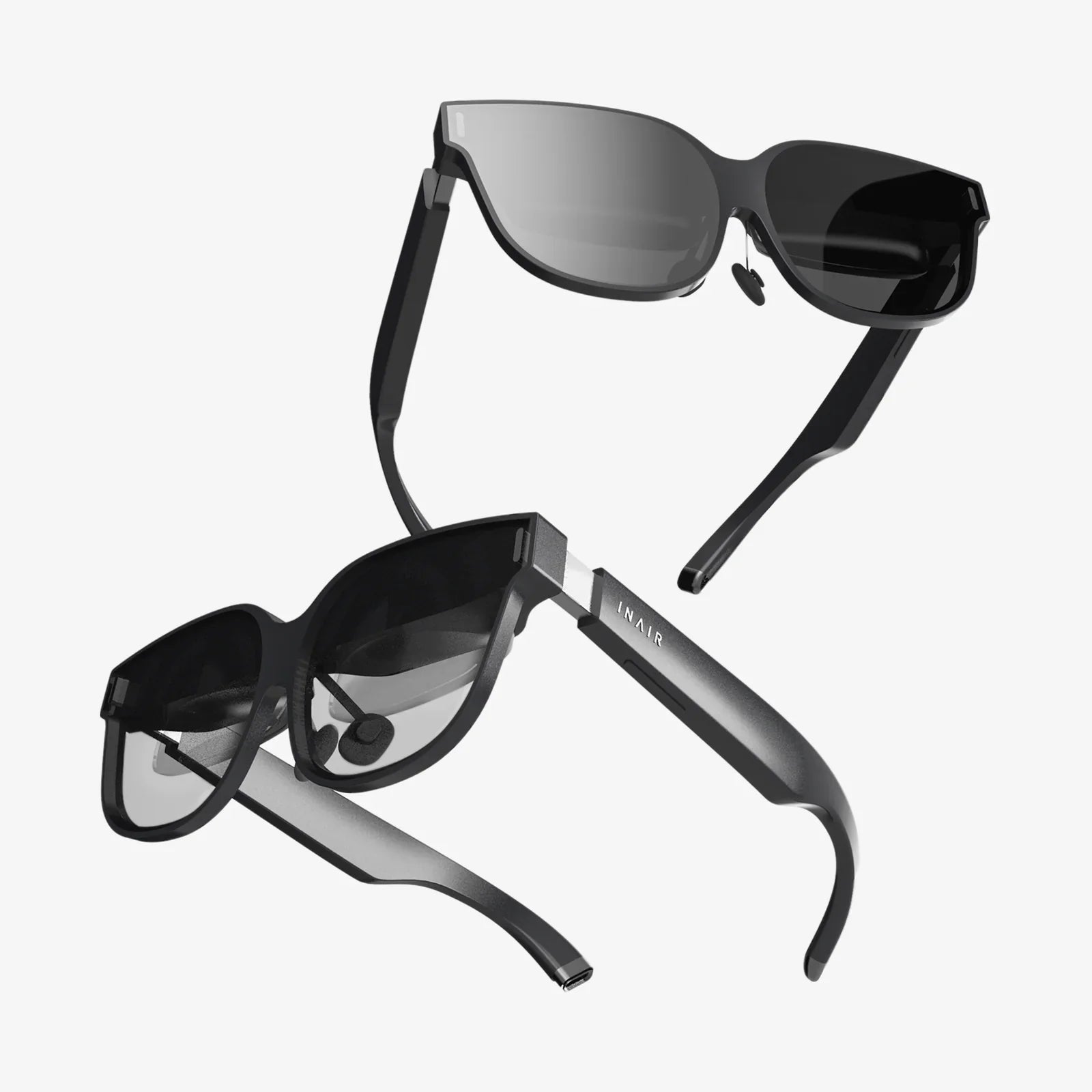
Imagine a world where your watch doesn't just tell time, but tells you about your health; where your glasses don't just correct your vision, but augment your reality; where your clothing doesn't just keep you warm, but keeps you connected. This is not a distant sci-fi fantasy—it is the burgeoning reality ushered in by the silent, pervasive revolution of wearable computing devices. These sophisticated pieces of technology are rapidly evolving from niche gadgets into indispensable partners, fundamentally reshaping how we interact with information, the world around us, and ultimately, ourselves. The line between human and machine is blurring, and it's happening not on our desks, but on our bodies.
The Essence of Wearability: Beyond the Pocket
At its core, a wearable computing device is an electronic technology or computer that is incorporated into items of clothing and accessories which can comfortably be worn on the body. This simple definition, however, belies a profound technological shift. Unlike a smartphone that is carried and intermittently checked, a wearable is characterized by its persistent presence and interaction. It is always on, always sensing, and always there. The key differentiators are:
- Continuous Operation: Wearables are designed for constant use, often featuring low-power modes and always-on displays or sensors to provide a seamless flow of information without requiring the user to consciously initiate an interaction.
- Contextual Awareness: Equipped with a suite of sensors—accelerometers, gyroscopes, heart rate monitors, GPS, microphones—these devices are not just computers; they are observers. They gather data about the user's environment, activity, and physiological state, making them inherently context-aware.
- Hands-Free and Eyes-Free Interaction: The ultimate goal of many wearables is to minimize the cognitive and physical load of using technology. Through voice commands, subtle haptic feedback (vibrations), and glanceable interfaces, they provide information and functionality without demanding the user's full attention.
A Brief Walk Through Time: The Evolution of Wearables
The concept of wearable technology is far older than most realize. While the modern era began in the 21st century, its roots dig deep into the 20th.
The Pioneering Era (Pre-2000s)
The journey arguably began in the 1960s with mathematicians Edward Thorp and Claude Shannon, who created a miniature computer to predict roulette wheels—a device hidden in a shoe and strapped to the waist. In the 1970s, the calculator watch became a pop culture icon, a primitive but clear signal of the potential to miniaturize computing. The 1980s and 1990s saw the rise of digital hearing aids as true medical wearables and the development of head-mounted displays for specialized industrial and military applications, laying the groundwork for future augmented reality systems.
The Modern Revolution (2000s - Present)
The convergence of several technologies sparked the modern wearable revolution. The proliferation of smartphones created a mature ecosystem of sensors, low-power processors, and mobile operating systems that could be repurposed. Bluetooth technology solved the critical problem of seamless connectivity. The 2010s witnessed an explosion of activity: fitness trackers popularized the quantified self-movement, smartwatches evolved from notifications-on-your-wrist to full-fledged health hubs, and smart glasses entered and exited the consumer market, only to find robust life in enterprise. Today, we stand at the cusp of a new phase with advanced smart rings, sensor-laden smart clothing, and neural interfaces moving from pure research into tangible prototypes.
Deconstructing the Device: Key Components and Technologies
Every wearable is a marvel of miniaturization, packing a powerful suite of components into a tiny, energy-efficient form factor.
The Sensory Suite
Sensors are the eyes and ears of a wearable. Common sensors include:
- Inertial Measurement Units (IMUs): Combining accelerometers and gyroscopes, these track movement, steps, orientation, and can even detect specific activities like running or swimming.
- Optical Heart Rate Monitors: Using photoplethysmography (PPG), they shine green light onto the skin and measure blood flow changes to calculate heart rate.
- Global Positioning System (GPS): Provides precise location and speed data, crucial for mapping outdoor workouts.
- Bioimpedance Sensors: Send a tiny, imperceptible electrical current through the body to measure metrics like body composition and stress levels.
- Electrocardiogram (ECG) Sensors: Measure the electrical activity of the heart to detect irregularities like atrial fibrillation.
- Microphones and Speakers: Enable voice assistant control and audio feedback.
The Brain and Brawn: Processing and Power
Specialized, ultra-low-power System-on-a-Chip (SoC) processors act as the brain, handling sensor data, running algorithms, and managing power consumption. This is the single biggest enabler of modern wearables. Powering these components are small lithium-polymer batteries, with energy efficiency being the holy grail of design. Innovations in low-power displays (like OLED and MEMS), wireless charging, and even kinetic energy harvesting are constantly pushing the boundaries of uptime.
The Connective Tissue: Connectivity
Bluetooth Low Energy (BLE) is the undisputed champion for connecting wearables to a host device like a smartphone for data syncing and relaying notifications. Many devices also incorporate Wi-Fi for independent connectivity and cellular radios (eSIM) for truly untethered operation, allowing for calls and data without a phone nearby.
The Diverse Ecosystem: Types of Wearable Computing Devices
The wearable landscape is rich and varied, with form factors designed for specific purposes.
Wrist-Worn Warriors
This is the most popular and recognized category.
- Smartwatches: Multi-function devices that serve as secondary screens for smartphones, offering notifications, app controls, music playback, and increasingly, advanced health monitoring like ECG and blood oxygen tracking.
- Fitness Trackers: More focused devices primarily dedicated to health and activity metrics like step counting, heart rate, sleep tracking, and workout recording. They often prioritize long battery life over expansive smart features.
Eye and Ear Wear
- Smart Glasses: These devices overlay digital information (graphics, text, data) onto the user's real-world view. While consumer adoption has been slow, they have found immense value in enterprise for logistics (showing pick lists), field service (showing manuals), and manufacturing.
- Smart Rings: A discreet and minimalist form factor gaining traction for their ability to track health metrics like sleep and activity with high accuracy due to their placement on the finger, a key arterial point.
- Hearables (Smart Earbuds): Beyond playing music, modern earbuds feature active noise cancellation, integrated voice assistants, real-time language translation, and biometric sensors for health tracking.
Next-Generation Integrations
- Smart Clothing: Textiles woven with conductive fibers and embedded sensors can monitor muscle activity, posture, breathing, and core temperature across a large surface area of the body, offering insights impossible for a wrist-based device.
- Medical and Clinical-Grade Wearables: FDA-approved devices for continuous glucose monitoring (CGM), patch-based ECG monitors, and smart inhalers that are transforming chronic disease management.
- Brain-Computer Interfaces (BCIs): While still largely experimental, headbands that can interpret EEG signals are emerging for meditation focus tracking and early-stage medical rehabilitation applications.
Transforming Lives: Applications Across the Spectrum
The impact of wearables is felt across numerous domains, moving far beyond simple step counting.
Health and Wellness: The Quantified Self
This remains the primary driver for most consumers. Wearables empower individuals to take a proactive role in their health. They provide actionable insights into sleep patterns, encourage physical activity, and can detect potential health issues like irregular heart rhythms, prompting users to seek medical attention. For those with chronic conditions, continuous monitoring can be life-changing, offering peace of mind and richer data for their physicians.
Sports and Fitness: The Digital Coach
For amateur and professional athletes alike, wearables are indispensable training partners. They provide precise metrics on performance—pace, distance, heart rate zones, cadence, altitude—allowing for optimized training regimens, prevention of overtraining, and detailed post-workout analysis to track progress over time.
Enterprise and Industry: The Augmented Worker
In warehouses, factories, and field service, wearables are boosting productivity and safety. Smart glasses can guide a worker through a complex assembly process hands-free. Wearable sensors can monitor a worker's vitals in extreme environments to prevent heat stress or fatigue. Wrist-worn devices can be used for secure access control and communication.
Accessibility: Enabling Independence
Wearables are powerful assistive technologies. Smart glasses can read text aloud for the visually impaired. Smartwatches can detect hard falls and automatically call for help for the elderly living alone. Customizable wearables can provide unique solutions for individuals with different abilities, granting greater independence and security.
The Flip Side of the Coin: Challenges and Considerations
For all their benefits, the rise of wearables brings significant challenges that society must grapple with.
The Privacy Paradox
Wearables generate a continuous, intimate stream of biometric and location data—the most personal data imaginable. Questions abound: Who owns this data? How is it being used by the companies that collect it? Could it be sold to third parties, like insurers or employers, potentially leading to discrimination? The potential for constant surveillance, either by corporations or governments, is a stark privacy concern that the industry and regulators are still struggling to address.
Data Accuracy and Medical Validation
While many devices boast health features, not all are created equal. The accuracy of optical heart rate sensors can vary with skin tone, tattoo placement, and fit. Most consumer devices are designed for "wellness" and are not FDA-approved medical devices. Relying on them for diagnostic purposes without clinical validation can be dangerous. The line between informative and actionable medical data remains blurry.
Societal and Psychological Impacts
The always-on nature of wearables can contribute to digital addiction and anxiety. The constant pressure to "close your rings" or achieve a perfect sleep score can lead to unhealthy obsessive behaviors. There is also a risk of widening the digital divide, where those who cannot afford these technologies miss out on their health and connectivity benefits.
Battery Life and E-Waste
Despite improvements, battery anxiety persists. Furthermore, the rapid iteration cycles and the difficulty of repairing tiny, glued-together devices contribute to the growing global problem of electronic waste.
Glimpsing the Horizon: The Future of Wearables
The trajectory of wearable computing points towards even greater integration, invisibility, and intelligence.
Invisible and Seamless Integration
The next generation of wearables will likely move beyond discrete accessories. Advances in flexible electronics, stretchable substrates, and electronic inks will lead to devices that are truly invisible—adhesive skin patches, sensors woven directly into fabrics, and even temporary tattoos that monitor your health.
Advanced Biomonitoring
Future sensors will move beyond heart rate to non-invasively track a vast array of biomarkers: continuous blood glucose, hydration levels, cortisol (stress hormone), blood alcohol content, and early signs of infection. This will herald a new era of predictive health, where devices can warn you of illness before symptoms even appear.
The Rise of the AI Health Companion
Raw data is overwhelming. The future lies in artificial intelligence that can synthesize data from multiple wearables and other sources to provide personalized, contextual, and actionable insights. Your device will not just tell you you slept poorly; it will analyze your activity, caffeine intake, and sleep phases to suggest a tailored plan for improvement, acting as a true AI-powered health guardian.
Brain-Computer Interfaces (BCIs)
While further out, non-invasive BCIs will mature, moving beyond medical applications into consumer control of devices and immersive experiences through thought alone, potentially creating entirely new paradigms of human-computer interaction.
The journey of the wearable computing device is a testament to our relentless drive to merge the physical and digital worlds. It is a story of miniaturization, of data becoming insight, and of technology shifting from a tool we hold to a layer we live within. As these devices continue to evolve, dissolving into our clothing, our skin, and our very being, they promise a future of unprecedented personal awareness, convenience, and health. But navigating this future will require careful thought, robust ethical frameworks, and a clear-eyed understanding that the most powerful technology is not the one we use, but the one that becomes a seamless, intelligent, and empowering part of us. The next time you glance at your wrist to check your heart rate or receive a notification, remember—you're not just wearing a gadget; you're wearing a glimpse into a profoundly connected human future.
Share:
Smart Glasses Recommendations: Your Ultimate Guide to Choosing the Right Pair
Spatial Computing Glasses News Today: The Dawn of a Seamless Digital Reality