


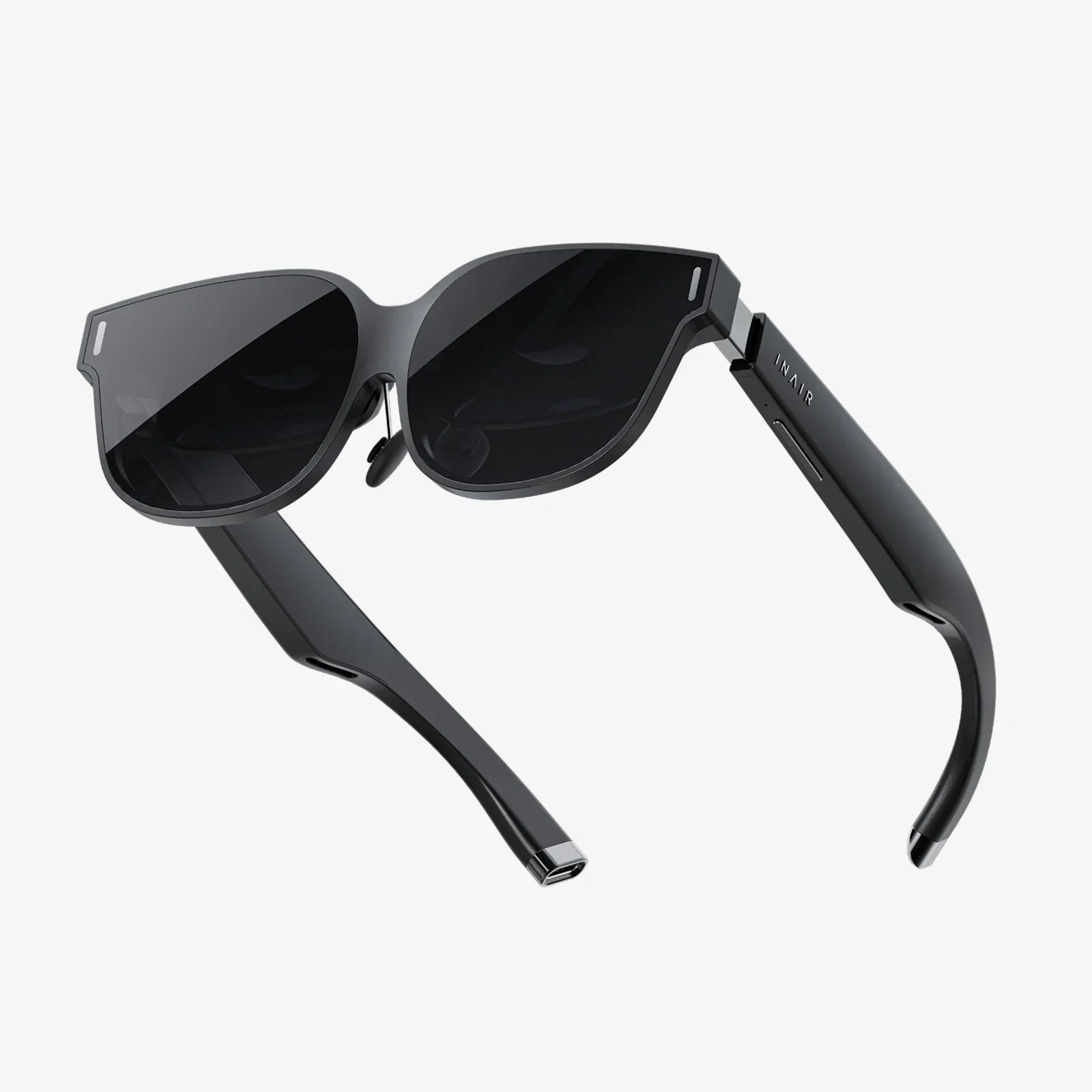
Imagine a pair of sunglasses that does more than just shield young eyes from the sun—a pair that becomes a portal to music, captures moments with a blink, and keeps your child connected and safe, all while looking incredibly cool. This isn't a scene from a sci-fi movie; it's the reality of today's smart sunglasses for boys, a burgeoning category of wearable tech designed specifically for the younger, digitally-native generation. These innovative devices are transforming a simple accessory into a powerful tool for entertainment, safety, and development, making them one of the most exciting and talked-about products for tech-savvy kids and their parents.
The Evolution of Youth Eyewear: From Protection to Connection
Children's sunglasses have long been a staple for beach days and summer outings, primarily serving the crucial function of protecting delicate eyes from harmful ultraviolet (UV) rays. Pediatric ophthalmologists consistently emphasize that quality sun protection for kids is not a luxury but a necessity, as their eyes' lenses are more transparent than those of adults, allowing more UV radiation to reach the retina. This cumulative damage can have long-term consequences.
The journey from these basic protective shades to today's sophisticated smart sunglasses represents a fascinating convergence of health, technology, and play. The initial wave of tech integration was subtle—perhaps a more durable, flexible frame material or integrated straps to prevent loss. Then came the incorporation of simple tech like built-in Bluetooth for wireless audio, a feature that resonated immensely with a generation weaned on streaming content and digital music.
Today, smart sunglasses for boys are at the forefront of this evolution. They are no longer passive shields but active companions. They represent a new category of wearables that understand a boy's world is often one of movement, exploration, and digital interaction. Manufacturers are now designing with this active lifestyle in mind, creating products that are as resilient and robust as they are intelligent, seamlessly blending essential protection with desirable connectivity.
Why Consider Smart Sunglasses? The Parental Perspective
For parents, the decision to invest in any piece of technology for their children is often weighed against concerns about cost, utility, and screen time. Smart sunglasses, however, present a unique value proposition that addresses several modern parenting challenges.
First and foremost is the enhancement of safety. Many models feature built-in bone conduction audio or discreet speakers. This allows a boy to listen to his favorite music or podcasts while still being fully aware of his surroundings—he can hear approaching cars, a parent's call, or other environmental cues that traditional noise-canceling headphones would block. This situational awareness is a significant safety advantage for children biking, skating, or simply walking around the neighborhood.
Secondly, they offer a form of connected independence. For families that use smartphones for communication, some smart sunglasses can pair with a parent's device, allowing for hands-free calls. This means a child can stay in touch without needing to carry or fumble with a phone, providing peace of mind for both parties. It’s a stepping stone towards responsible technology use, teaching boys how to interact with connected devices in a limited, controlled manner.
Furthermore, they can be a tool for managing screen time paradoxically by offering an alternative. Instead of a boy hunched over a phone screen watching videos, he can be outside, being active, while still enjoying his digital audio content. It encourages physical activity by merging it with the digital entertainment they crave.
Finally, from a purely practical standpoint, a high-quality pair ensures superior eye health protection. Reputable smart sunglasses always prioritize 100% UVA/UVB protection, often with polarized lenses to reduce glare from surfaces like water or pavement, which is crucial for preventing squinting and eye strain during outdoor activities.
Decoding the Features: What to Look For
Navigating the market for smart sunglasses requires an understanding of the key features available. Not all models are created equal, and the right choice depends heavily on a child's age, interests, and your specific needs as a parent.
1. Core Protection: The Non-Negotiables
Before any tech features are considered, the sunglasses must excel at their primary job.
- UV Protection: This is the most critical factor. Look for a label or specification that clearly states "100% UV protection" or "UV400," which blocks all harmful rays.
- Lens Quality and Polarization: Polarized lenses cut reflected glare, significantly reducing eye fatigue and improving visual clarity and comfort, especially near water or snow. They also enhance color perception.
- Impact Resistance: Boys can be rough on their gear. Lenses made from polycarbonate or similar materials are highly impact-resistant, shatterproof, and much safer than glass or cheap plastic.
- Fit and Comfort: A secure, comfortable fit is essential. Look for adjustable nose pads, flexible hinges, and lightweight materials. A proper fit ensures the lenses actually protect the eyes from all angles and that the glasses won't be constantly discarded.
2. Smart Tech Capabilities: The Connected Experience
This is where the magic happens. The integration of technology should feel intuitive and add value, not complexity.
-
Audio Technology: This is the most common feature. Options include:
- Bone Conduction: Speakers sit near the temples and transmit sound through cheekbones to the inner ear, leaving the ear canal completely open. This is the gold standard for situational awareness.
- Open-Ear Speakers: Small, directional speakers placed near the ear canal project audio without blocking it.
- Traditional Buds: Some models may have ports for wired earbuds, though this is less common now. - Bluetooth Connectivity: Enables wireless pairing with smartphones, tablets, or dedicated music players for streaming audio and taking calls. Check Bluetooth version for battery efficiency and connection stability.
- Integrated Microphone: Allows for voice commands (e.g., activating a phone's voice assistant) and hands-free phone calls. Noise-canceling microphones are preferable for clearer call quality in windy environments.
- Camera: Some advanced models incorporate a discreet HD camera for photos and short video clips. This encourages creativity and allows a child to capture their perspective without necessarily needing a phone.
- Touch or Button Controls: Intuitive controls on the frame for managing music, volume, calls, and camera functions are essential for ease of use.
3. Durability and Design: Built for Adventure
The design must be as smart as the technology inside.
- Rugged Construction: Frames should be flexible and able to withstand bending and minor impacts. Rubberized elements can improve grip and shock absorption.
- Water and Sweat Resistance: A minimum IP rating (e.g., IPX4) is important for protection against splashes, sweat, and light rain, making them suitable for sports and play.
- Battery Life and Charging: Battery life for audio playback can range from a few hours to a full day. USB-C charging is becoming the modern standard for convenience. The battery compartment should be secure and safe.
- Style: Ultimately, a boy has to want to wear them. Styles range from classic wayfarer shapes to more sporty, wraparound designs inspired by extreme sports. Color options are also important for personal expression.
Addressing Concerns: Safety, Privacy, and Practicality
With any connected device for children, valid concerns arise. It's crucial to address these head-on.
Parental Controls and Privacy: Any device with a camera or microphone rightfully raises privacy questions. Responsible manufacturers will build in clear indicators for when the camera or mic is active. Furthermore, parental control apps that manage connectivity, paired devices, and features are a significant advantage, allowing parents to set boundaries.
Distraction vs. Enhancement: The goal is to enhance an activity, not detract from it. Features like audio controls should be simple and minimal to prevent fiddling. The design should promote, not hinder, physical play.
Age Appropriateness: These are generally not toys for toddlers. The sweet spot is typically for boys aged 8 and up who are responsible enough to handle and care for tech gear and can understand how to use the features safely, particularly when outdoors.
Cost vs. Value: Smart sunglasses represent an investment. The value is found in the combination of high-grade eye protection, integrated technology that may replace the need for separate headphones, and the durability to last more than a single season.
The Future is Bright: What's Next for Smart Sunglasses?
The technology embedded in these wearables is advancing at a rapid pace. The future of smart sunglasses for boys points towards even greater integration and intelligence. We can anticipate features like augmented reality (AR) displays overlaying information onto the real world for educational games and navigation, more advanced health sensors monitoring sun exposure and activity levels, and even tighter ecosystem integration with other family devices for location tracking and communication.
The trajectory is clear: the line between protective gear and a personal tech hub will continue to blur. The focus will remain on creating products that are safe, durable, and genuinely useful, empowering boys to explore their world with confidence, creativity, and a critical layer of protection—both from the sun and the distractions of less thoughtful technology.
Your son's next pair of shades could be the key to a safer, more connected, and infinitely more fun childhood adventure. The right pair doesn't just change how he sees the world—it changes how he interacts with it, blending the best of outdoor play with the digital savvy of his generation. The question is no longer if he needs sunglasses, but how smart they should be.
Share:
Smart Sunglasses Canada: The Ultimate Guide to Tech-Infused Eyewear
AI Glasses Products Brands: The Invisible Revolution Reshaping Our Reality