


Imagine a world where your watch not only tells time but also tells you about your health, your jacket charges your phone, and your ring can translate languages in real-time. This is not a distant science fiction fantasy; it is the rapidly converging reality ushered in by the silent yet seismic revolution of smart wearable devices. These sophisticated companions, once relegated to the realms of fitness tracking and notification mirroring, have evolved into powerful portals of personalized data, fundamentally altering our relationship with technology, our bodies, and the world around us. The journey from simple step counters to holistic health guardians and seamless connectivity hubs represents one of the most significant technological shifts of the 21st century, embedding intelligence into the very fabric of our daily existence.
The Evolutionary Leap: From Novelty to Necessity
The concept of wearable technology is far older than most realize. Eyeglasses, invented in the 13th century, were arguably the first widely adopted wearable device, enhancing human capability. Wristwatches, portable calculators, and even the iconic calculator watch of the 1980s were early precursors. However, the modern era of smart wearables truly began with the convergence of miniaturized sensors, ubiquitous connectivity, and powerful mobile computing in the late 2000s and early 2010s.
The initial wave was dominated by basic fitness trackers. These devices introduced the masses to the concept of quantified self—the practice of using technology to collect data on aspects of a person's daily life. Steps taken, calories burned, and sleep duration became easily accessible metrics. This was a paradigm shift; for the first time, individuals could gather objective data about their own physical activity, moving health from a subjective feeling to a measurable science. This data democratization empowered users, fostering a new culture of health consciousness and preventative wellness.
The subsequent generation of devices integrated more sophisticated features. Heart rate monitors became standard, followed by pulse oximeters for measuring blood oxygen levels. Global Positioning System (GPS) functionality allowed for precise tracking of runs, cycles, and hikes, mapping routes and calculating pace. These devices evolved from simple pedometers into comprehensive fitness companions, providing detailed feedback and motivation for athletes and casual users alike.
The most significant evolutionary jump came with the integration of advanced operating systems and cellular connectivity. This transformed wearables from peripheral accessories into standalone communication and computing hubs. Users could now make calls, send messages, stream music, and access apps directly from their wrist, untethering them from their smartphones. This marked the transition from a fitness device to a true smart wearable, a miniature computer worn on the body designed for constant companionship and utility.
Beyond the Wrist: The Expanding Ecosystem of Wearables
While wrist-worn devices like smartwatches and fitness bands dominate the market, the definition of a wearable has expanded dramatically. Innovation is flourishing across the human form, creating a diverse and specialized ecosystem.
- Hearables: Smart earbuds and hearing aids have evolved into intelligent auditory interfaces. They offer active noise cancellation, real-time language translation, personalized soundscapes, and integrated voice assistants, augmenting our hearing and our ability to interact with information audibly.
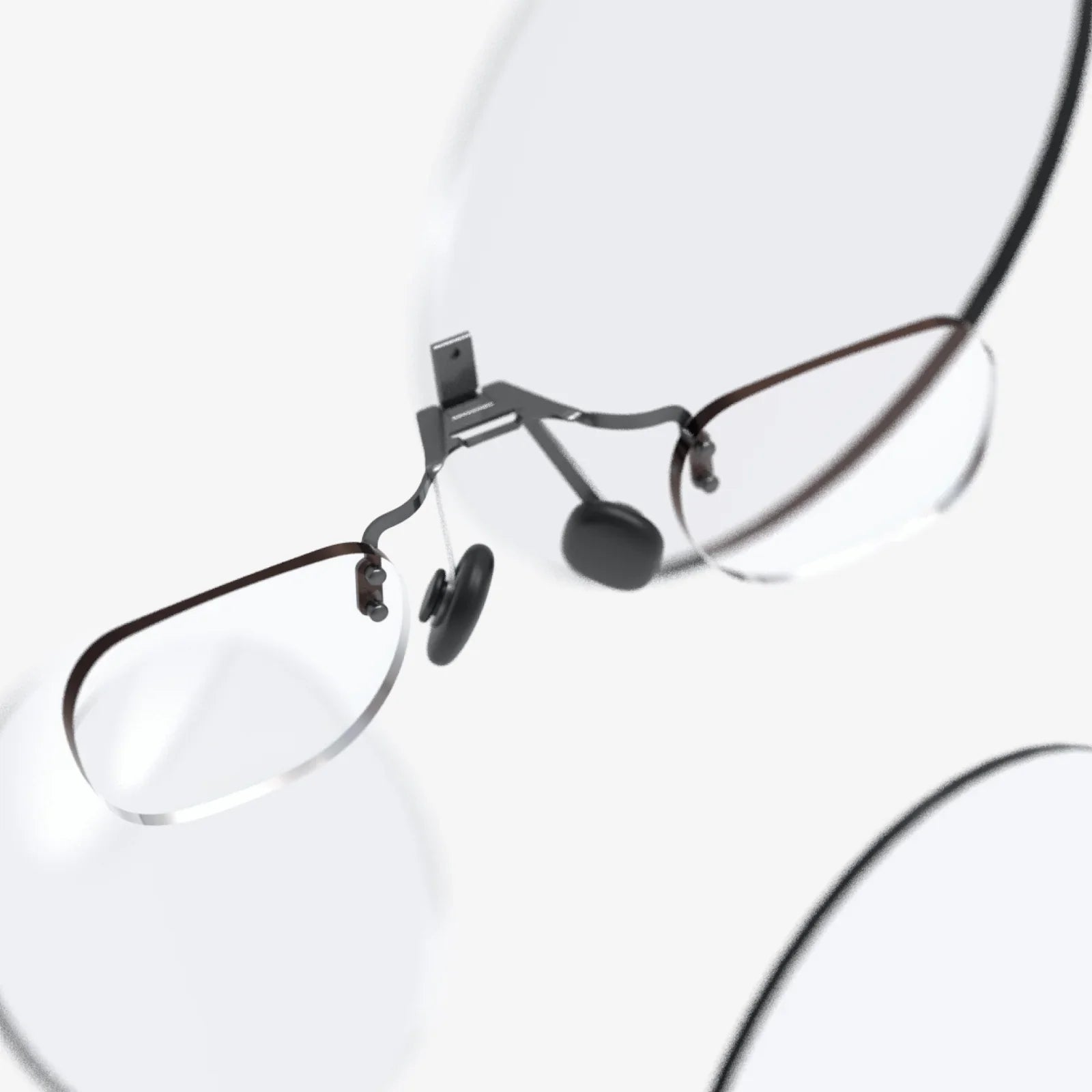
- Smart Eyewear: Moving beyond early missteps, smart glasses are re-emerging with a focus on augmented reality (AR). They overlay digital information onto the physical world, offering potential applications in navigation, workforce training, remote assistance, and immersive entertainment, all viewed through a familiar pair of glasses.
- Smart Clothing: The integration of conductive fibers and miniaturized sensors into textiles is creating a new category of wearables. Shirts can monitor posture and muscle activity, socks can analyze running gait, and jackets can incorporate heating elements and flexible displays. This represents the ultimate goal of wearables: technology that disappears into the items we already wear every day.
- Medical and Clinical-Grade Devices: This is perhaps the most impactful category. Continuous Glucose Monitors (CGMs) have revolutionized diabetes management by providing real-time blood sugar readings without finger pricks. Smart patches can monitor vital signs, deliver drugs transdermally, and alert caregivers to falls or medical events in elderly patients. These devices are blurring the line between consumer wellness and regulated medical technology, enabling proactive and remote healthcare.
The Data Goldmine: From Metrics to Meaningful Insights
The true power of smart wearables lies not in the hardware itself, but in the vast ocean of data they generate. A single device can collect millions of data points per day on an individual—heart rate variability, sleep stages, activity levels, location, and more. This raw data, however, is merely noise without sophisticated interpretation.
This is where artificial intelligence (AI) and machine learning (ML) come into play. Advanced algorithms process this continuous stream of biometric information to identify patterns, establish baselines, and detect anomalies. For instance, a device might learn a user's normal resting heart rate and then send an alert if it detects an unexplained, sustained elevation—a potential sign of illness, stress, or the onset of a condition like atrial fibrillation.
This shift from reactive to predictive health is the holy grail of wearable technology. Instead of visiting a doctor after feeling unwell, these devices aim to provide early warnings before symptoms even manifest. They can nudge a user to take a walk after an hour of inactivity, suggest winding down for bed based on declining activity levels, or even detect the subtle tremors associated with Parkinson's disease long before a clinical diagnosis.
The aggregation of this data on a population level also holds immense promise for public health. Anonymized and aggregated data from millions of users can help researchers track the spread of illnesses like influenza, understand the health impacts of environmental factors, and identify trends in sleep deprivation or stress across different demographics. This collective intelligence can guide public policy and medical research on an unprecedented scale.
The Double-Edged Sword: Privacy, Security, and Ethical Quandaries
With great data comes great responsibility. The intimate nature of the information collected by wearables raises profound privacy and security concerns. This is not merely data about what websites you visit; it is data about the inner workings of your body, your daily habits, your location history, and potentially your emotional state.
Who owns this incredibly personal data? Is it the user, the device manufacturer, the app developer, or the cloud platform that stores it? How is it being used? Could it be sold to third parties, such as insurance companies or employers? The potential for discrimination is alarming. An insurer might justify higher premiums based on data showing a sedentary lifestyle or poor sleep patterns. An employer might question a candidate's stress resilience based on biometric data.
Security is another critical vulnerability. These devices are constant collectors and transmitters of data. A security breach could expose a treasure trove of sensitive personal information. Furthermore, as devices become more connected and autonomous—implantable devices or those that automatically administer medication—the threat of malicious hacking becomes a matter of physical safety, not just data theft.
Ethical questions also abound. Does constant self-monitoring lead to health anxiety or orthorexia—an unhealthy obsession with healthy eating and exercise? Do we risk creating a society where individuals are penalized for not optimizing every biological metric? The pressure to achieve perfect sleep scores or close all activity rings can, for some, transform a tool for empowerment into a source of stress.
The Future We Wear: What Lies on the Horizon
The trajectory of smart wearable devices points toward even deeper integration with our lives and biology. We are moving toward a future of truly invisible and ambient computing.
Key areas of development include:
- Advanced Biomarker Sensing: Future devices may non-invasively monitor a wider range of biomarkers, such as cortisol levels (for stress), lactate (for athletic performance), and even signs for certain cancers through sweat, saliva, or tears analysis.
- Brain-Computer Interfaces (BCIs): While still in early stages, companies are developing wearables that can interpret neural signals. This could lead to control of devices through thought, treatment for neurological conditions, and even enhanced cognitive capabilities.
- Energy Harvesting: A major limitation of current wearables is battery life. Future iterations may power themselves by harnessing energy from body heat, movement, or even ambient light, achieving true perpetuity.
- Contextual and Ambient Intelligence: Devices will become less about apps and more about context. Your glasses might automatically display the name of a colleague you meet at a conference, your earbuds might translate a foreign street sign as you look at it, and your ring might subtly vibrate to guide you through a new building using haptic feedback.
The ultimate promise of smart wearable devices is a future where technology recedes into the background, working silently and seamlessly to augment human potential, empower individuals with knowledge about their own health, and create a more connected and intuitive world. The device on your wrist is just the beginning; the next chapter will be written on our skin, in our ears, before our eyes, and woven into the very clothes we wear, transforming not just how we interact with technology, but ultimately, how we experience life itself.
Share:
Top AR Headsets for Remote Collaboration: Revolutionizing the Virtual Workspace
VR for Spectacles: A Clear Vision for the Future of Immersive Technology