


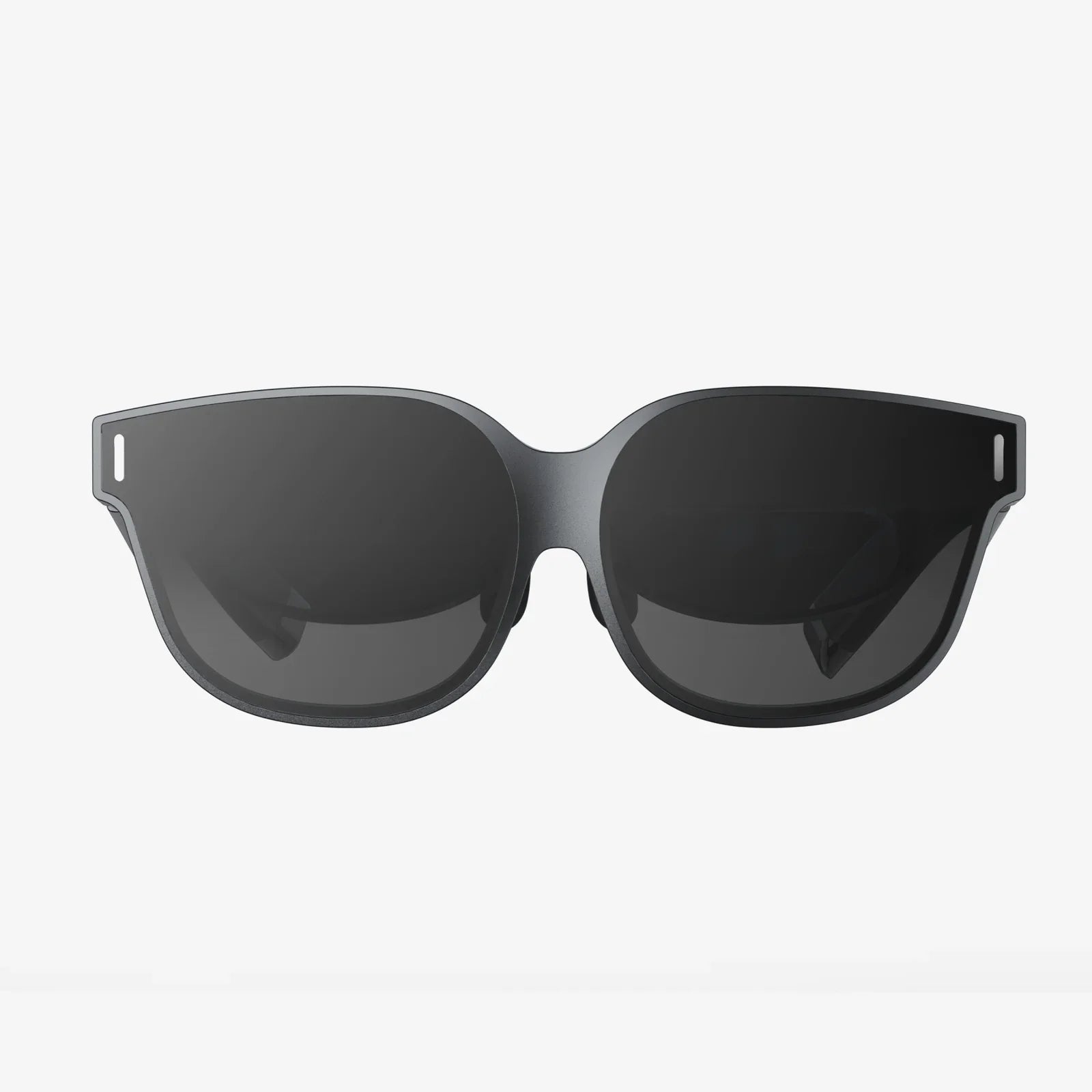
Imagine stepping into a breathtaking virtual world, only to be met with a frustratingly blurry landscape. You fumble to adjust the headset, but the view remains stubbornly out of focus. This is the all-too-common reality for millions of spectacle wearers trying to experience virtual reality. The clash between the precise optics of a VR headset and the essential correction of eyeglasses has long been a significant barrier, creating discomfort, visual distortion, and a less-than-immersive experience. But what if the future of VR wasn't about compromising your vision, but embracing it? The industry is now laser-focused on developing innovative solutions specifically for VR for spectacles, aiming to deliver crystal-clear, comfortable immersion for every user, regardless of their prescription. The journey to seamless visual accessibility in the metaverse is not just a technical challenge; it's a fundamental shift towards inclusive design that promises to redefine reality for a massive segment of the population.
The Fundamental Challenge: Two Lenses Are Not Better Than One
At its core, the conflict between VR headsets and spectacles is a simple problem of physics and geometry. Modern VR headsets are sophisticated optical systems designed to project a digital image onto the user's retinas with pinpoint accuracy. They achieve this through a combination of high-resolution displays and specialized lenses that focus the image correctly. When a user wears their spectacles inside the headset, they are effectively inserting a second set of lenses into this carefully calibrated system. This creates a cascade of issues that degrade the experience.
The most immediate problem is physical discomfort. VR headsets are designed to be worn snugly against the face to block out external light and maintain the correct eye-to-lens distance, known as the eye relief. Spectacles add a bulky layer between the face and the headset, often preventing the device from sealing properly. This can lead to light leakage, pressure points on the nose and temples from the frames being pressed against the skin, and general instability. The headset may not sit flush, causing the entire image to appear misaligned or to shift during movement.
Beyond comfort, the optical compromises are severe. The additional lenses can introduce visual artifacts like chromatic aberration (color fringing), glare, and a reduction in the overall field of view (FOV). The sweet spot—the area within the lens where the image is perfectly clear—becomes notoriously small and difficult to maintain. Users often find themselves constantly readjusting the headset to find that elusive clear view. Furthermore, the risk of damage is real; the hard, plastic lenses of the VR headset can easily scratch against the coatings and materials of prescription lenses during insertion, removal, or gameplay, potentially ruining both pairs of optics.
Bridging the Gap: Current Solutions for Spectacle Wearers
While the ideal of a perfectly integrated solution is still evolving, several practical options exist today to improve the VR experience for those who wear spectacles. These range from simple adjustments to more involved custom solutions.
1. Wearing Spectacles Inside the Headset
For many, this remains the default option. The key to making it work is choosing a VR headset with generous design accommodations. Look for models that feature:
- Adjustable Eye Relief: A mechanism to physically move the lenses closer to or farther from the eyes, creating more space for spectacles.
- Spacious Facial Interface: The foam or plastic gasket that surrounds the lenses should be deep enough to avoid contact with spectacle frames.
- Flexible Fit Systems: Head straps that allow for a secure fit without excessive pressure on the sides of the head, which can squeeze spectacle arms uncomfortably.
Even with these features, users should exercise caution. Using spectacle retainers or straps can prevent the headset from accidentally sliding off and taking your glasses with it, potentially causing a damaging impact.
2. Custom Prescription Lens Inserts
This is widely considered the gold standard for a premium VR experience for spectacle wearers. Prescription lens inserts are custom-made magnetic or clip-in adapters that slot perfectly into the housing of a specific VR headset model, sitting directly over the device's built-in lenses.
The advantages are profound:
- Optical Perfection: They are precisely calibrated to match your prescription and the headset's optics, providing the largest possible sweet spot and the clearest image quality without any distortion.
- Superior Comfort: By eliminating the bulk of frames, the headset can be worn closer to the face, improving FOV, comfort, and stability. The facial interface can form a proper seal, enhancing immersion.
- Protection: The inserts act as a protective barrier, preventing dust, sweat, and scratches from reaching the headset's valuable native lenses, thereby preserving resale value.
The process typically involves entering your prescription details into a specialized online service, which then manufactures and ships the adapters. While this represents an additional upfront cost, for frequent users, it is an invaluable investment in quality and comfort.
3. Contact Lenses: The Simple Switch
For those who wear both spectacles and contact lenses, the simplest solution is often to switch to contacts before a VR session. This entirely bypasses the physical and optical interference, allowing the user to experience the headset exactly as it was designed. It offers the full FOV and maximum comfort without any additional accessories or modifications. However, this is not a viable option for everyone, as some people cannot wear contacts due to dry eyes, allergies, or personal preference, and extended VR use can sometimes exacerbate eye dryness.
The Future is Clear: Next-Generation Innovations
The current solutions are effective workarounds, but the true future of VR for spectacles lies in fundamentally rethinking headset design to bake accessibility directly into the hardware. The industry is moving beyond mere accommodation and towards genuine integration.
Varifocal and Autofocus Technology
One of the most promising areas of research involves headsets with dynamic lenses. Imagine a headset that can automatically adjust its focus to match your eyes, precisely replicating the function of your spectacles. Early prototypes of varifocal and light field technology use eye-tracking cameras to determine exactly where you are looking and then mechanically or electronically adjust the lens focus to render that virtual object sharply, regardless of your prescription. This technology aims to solve not only the spectacle-wearer's dilemma but also the vergence-accommodation conflict—a key source of eye strain in current VR systems.
Integrated Diopter Adjustment Dials
A more immediately realizable solution is the integration of manual diopter adjustment wheels directly into the headset. Similar to features found on high-end binoculars or cameras, these dials would allow users to fine-tune the focus of each lens independently, compensating for near or farsightedness without needing any additional accessories. This elegant solution would cover a significant range of common prescriptions, making the headset instantly adaptable to multiple users or changing vision needs.
Biometric Personalization and Software Correction
Future systems could combine hardware adjustments with powerful software. Upon first use, a headset could guide you through a calibration process using eye-tracking. It would measure your specific visual impairments and then apply a real-time software distortion to the rendered image to pre-correct for your prescription, effectively creating a digital version of your glasses. This would allow for a custom-tailored visual experience without any moving parts or physical inserts, though it would be limited to correcting certain types of vision issues.
Beyond Vision: Designing for Universal Comfort
The quest for better VR for spectacles is part of a larger movement towards universal design in technology. It recognizes that a one-size-fits-all approach excludes a huge portion of potential users. This philosophy extends to other aspects of headset design that impact spectacle wearers indirectly.
Engineers are now prioritizing weight distribution, balance, and alternative form factors like glasses-style devices to reduce facial pressure. They are exploring magnetic, interchangeable facial interfaces of different depths and materials to comfortably accommodate a wider variety of face shapes and frame sizes. The goal is to create a system that feels like a natural extension of the user, not a device they must struggle against.
A New Perspective on an Accessible Metaverse
The evolution of VR for spectacles is a powerful microcosm of the technology's journey towards mass adoption. It highlights a critical truth: for virtual reality to truly become a universal platform for work, social connection, and play, it must be accessible to everyone. The technical hurdles of merging personal vision correction with immersive optics are significant, but the progress is undeniable. From clunky workarounds to elegant, integrated solutions, the path forward is clear. We are moving towards a future where putting on a headset is as simple and natural as putting on a pair of glasses—where the boundary between our visual needs and digital worlds dissolves completely. The blurry barrier between spectacle wearers and pristine virtual worlds is finally coming into focus, promising an immersive experience where the only thing that is crystal clear is the view itself.
Share:
Smart Wearable Devices: The Unseen Revolution Reshaping Our Daily Lives
What Is Human Computer Interface: The Bridge Between Mind and Machine