


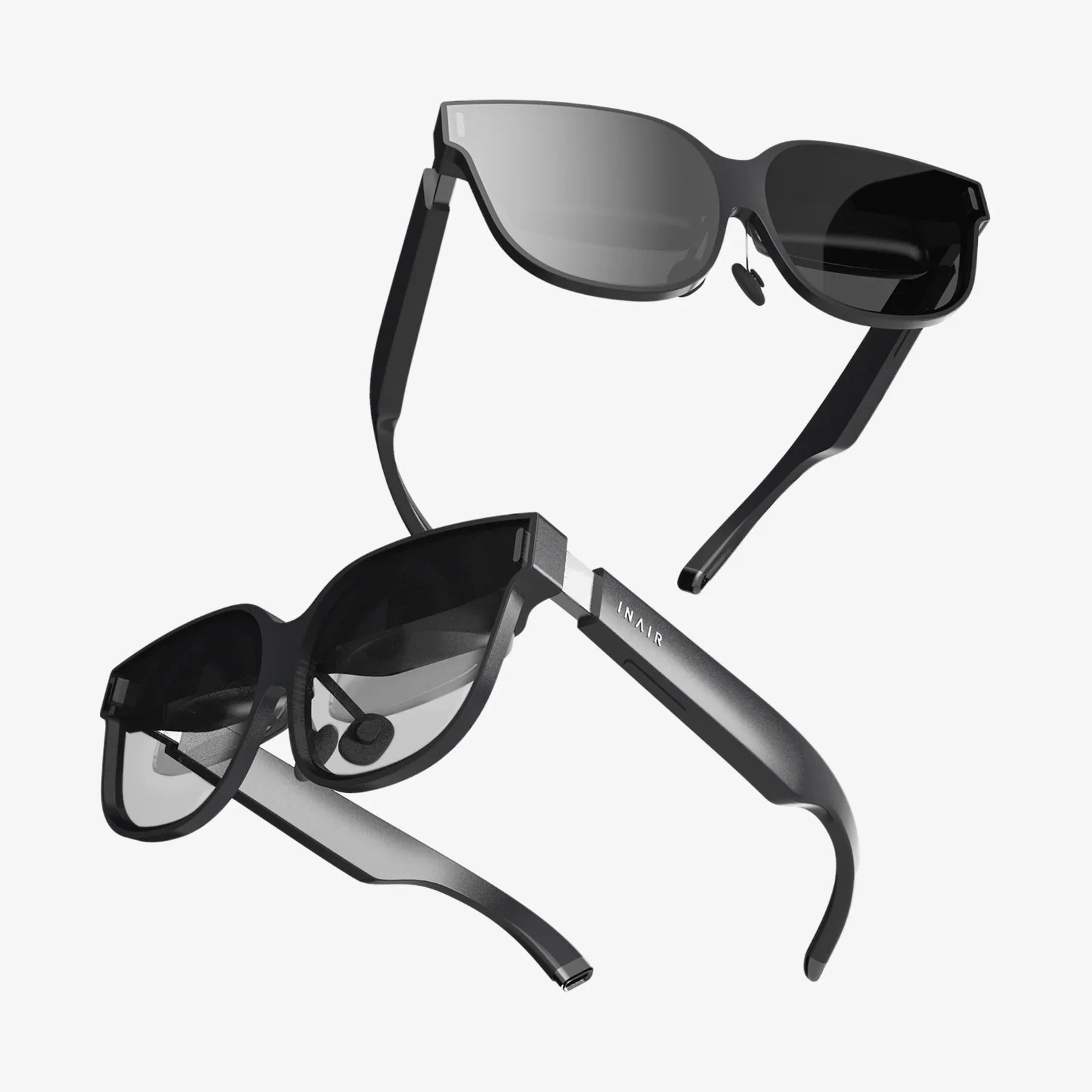
Imagine a world where your watch not only tells time but also tells you about your health, your jacket charges your phone, and your glasses translate foreign languages in real-time. This is not a glimpse into a distant science fiction future; it is the rapidly unfolding present, powered by the relentless innovation in smart wearable products. These devices are quietly weaving themselves into the very fabric of our daily existence, transforming from niche gadgets for fitness enthusiasts into indispensable partners for health, productivity, and connection. The revolution is not coming; it is already on our wrists, in our ears, and on our faces, and its implications are profound.
The Evolution From Novelty to Necessity
The journey of smart wearable products is a fascinating tale of technological convergence. Early iterations were often clunky, single-purpose devices with limited battery life and questionable aesthetics. They were primarily the domain of early adopters and tech enthusiasts. However, the foundational technologies—miniaturized sensors, low-power processors, and advanced algorithms—underwent a period of explosive growth. This progress, coupled with the ubiquitous presence of smartphones acting as a central hub, catapulted wearables into the mainstream.
Today, the market is a diverse ecosystem. Wrist-worn devices, including advanced watches and simpler bands, dominate in terms of popularity. However, the category has expanded dramatically to include intelligent eyewear, hearables with augmented auditory capabilities, smart rings that prioritize discretion, and even smart clothing embedded with biometric sensors. This evolution signifies a shift in perception. These products are no longer viewed as mere accessories but as holistic tools for self-improvement and seamless digital integration.
A Deep Dive Into Health and Wellness Monitoring
Perhaps the most significant and life-altering impact of smart wearable products lies in the domain of health and wellness. They have democratized access to personal health data, empowering individuals to take a proactive, rather than reactive, approach to their well-being.
Continuous, Actionable Data
Unlike a annual check-up that provides a single snapshot, wearables offer a continuous stream of data. This allows users to track trends, understand the impact of their lifestyle choices, and gain insights that were previously inaccessible without clinical equipment.
Key Health Metrics Tracked
- Heart Rate Monitoring: Advanced optical sensors provide continuous heart rate tracking, identifying resting heart rate, exercise intensity, and even alerting to unusually high or low readings.
- Sleep Analysis: By tracking movement, heart rate variability, and sometimes blood oxygen levels, these devices can analyze sleep stages (light, deep, REM) and provide scores and recommendations for improving sleep hygiene.
- Activity Tracking: The foundational feature, step counting, has evolved into comprehensive monitoring of active minutes, calories burned, and distance traveled, often with automatic exercise recognition.
- Blood Oxygen Saturation (SpO2): This metric, once limited to clinical pulse oximeters, is now common, providing insights into respiratory health and overall fitness.
- Electrocardiogram (ECG): Some devices can take a medical-grade ECG from the wrist, capable of detecting signs of atrial fibrillation (AFib), a serious heart condition.
- Stress Management: Using metrics like heart rate variability, devices can estimate stress levels and offer guided breathing exercises to help users find moments of calm.
The true power of this data is not just in its collection but in its interpretation. Sophisticated algorithms process the raw sensor data to provide understandable insights and nudges, like a notification to stand up after an hour of inactivity or a reminder to start winding down for bed. For many, this has fostered a greater sense of body awareness and accountability.
Revolutionizing Personal Productivity and Connectivity
Beyond health, smart wearable products are powerful tools for streamlining daily life and enhancing productivity. They act as a seamless extension of the smartphone, reducing the need to constantly glance at a screen.
Staying Connected, Minimally
The ability to receive and triage notifications—calls, messages, emails, app alerts—directly on your wrist or in your ear is a game-changer. It allows users to stay informed without the immersive and often disruptive experience of pulling out their phone. A quick vibration and glance can determine if a message requires an immediate response or can wait, preserving focus and presence in the real world.
Voice Assistants and Smart Controls
The integration of voice assistants has turned wearables into remote controls for the digital and physical world. Setting reminders, timers, controlling smart home devices, or initiating navigation can all be done hands-free with a simple voice command. This is particularly valuable when driving, cooking, or when your hands are otherwise occupied.
Contactless Payments and Identity
The adoption of NFC technology for contactless payments has been a killer feature. The convenience of paying for groceries, coffee, or transit with a simple tap of a watch or band is immense, reducing the need to carry a wallet or phone. Furthermore, some devices are exploring digital identity applications, such as serving as a key for your home, car, or office.
Navigating the Challenges and Ethical Considerations
For all their benefits, the rise of smart wearable products is not without significant challenges and ethical dilemmas that society must confront.
The Elephant in the Room: Data Privacy and Security
These devices collect a staggering amount of intimate personal data—where you go, how you sleep, your heart patterns, and more. This creates a treasure trove for companies. Critical questions arise: Who owns this data? How is it being used? Is it being aggregated, anonymized, and sold to third parties for advertising or other purposes? The security of this data is also paramount; a breach of health data is arguably more damaging than a breach of a password. Users must be vigilant about privacy settings and companies must be transparent and ethical in their data handling practices, treating this sensitive information with the utmost care.
Accuracy and Medical Validation
While the data from wearables is insightful, it is crucial to remember that most consumer devices are not classified as medical devices. Their readings, while highly informative for wellness and trend-spotting, may not be as accurate as certified clinical equipment. They are designed for awareness and motivation, not for diagnosis. Users should be educated on this distinction and encouraged to consult healthcare professionals for medical concerns, using wearable data as a supplementary tool for discussion rather than a definitive source of truth.
The Anxiety of Constant Quantification
The quantified self movement has a potential dark side. For some individuals, constant tracking can lead to obsession, anxiety, or orthorexia—an unhealthy fixation on healthy metrics. The pressure to close activity rings or achieve a perfect sleep score can become a source of stress rather than a motivator. It is important for users to maintain a healthy relationship with their devices, knowing when to take a break and listen to their bodies rather than solely relying on data.
The Future Horizon: What Lies Ahead?
The trajectory of smart wearable technology points toward even deeper integration and more advanced capabilities. We are moving toward devices that are truly invisible and context-aware.
Future innovations may include non-invasive continuous glucose monitoring, which would be a monumental breakthrough for diabetics. Advanced sweat analysis could provide insights into hydration levels, electrolyte balance, and even early signs of illness. The integration of augmented reality (AR) through smart glasses will overlay digital information onto the physical world, revolutionizing fields from navigation to engineering to social interaction. Furthermore, the development of more sophisticated AI will enable predictive health, where devices can analyze trends to warn users of potential health issues before they become serious, shifting healthcare firmly toward prevention.
The form factor will also continue to evolve. Smart fabrics will make clothing itself a computer, with sensors woven directly into the material. Miniaturization will lead to even more discreet devices, like smart patches or advanced hearables that function as all-day personal assistants. The goal is a future where technology fades into the background, enhancing human capability without being obtrusive.
The age of passive observation is ending. We are entering an era of intimate partnership with technology, where smart wearable products on our bodies provide a constant, personalized stream of insight, nudging us toward healthier choices, freeing us from digital distraction, and connecting us to our world in ways we are only beginning to imagine. The potential to extend human capacity and democratize healthcare is immense, but it is a path we must navigate with careful consideration for the privacy and humanity it aims to enhance. The device on your wrist is just the beginning; the future is wearing it well.
Share:
3D Spatial Sound: The Complete Guide to the Future of Audio Immersion
Spectacles for Screen Time: Your Ultimate Guide to Digital Eye Strain Relief