


- by wangfred
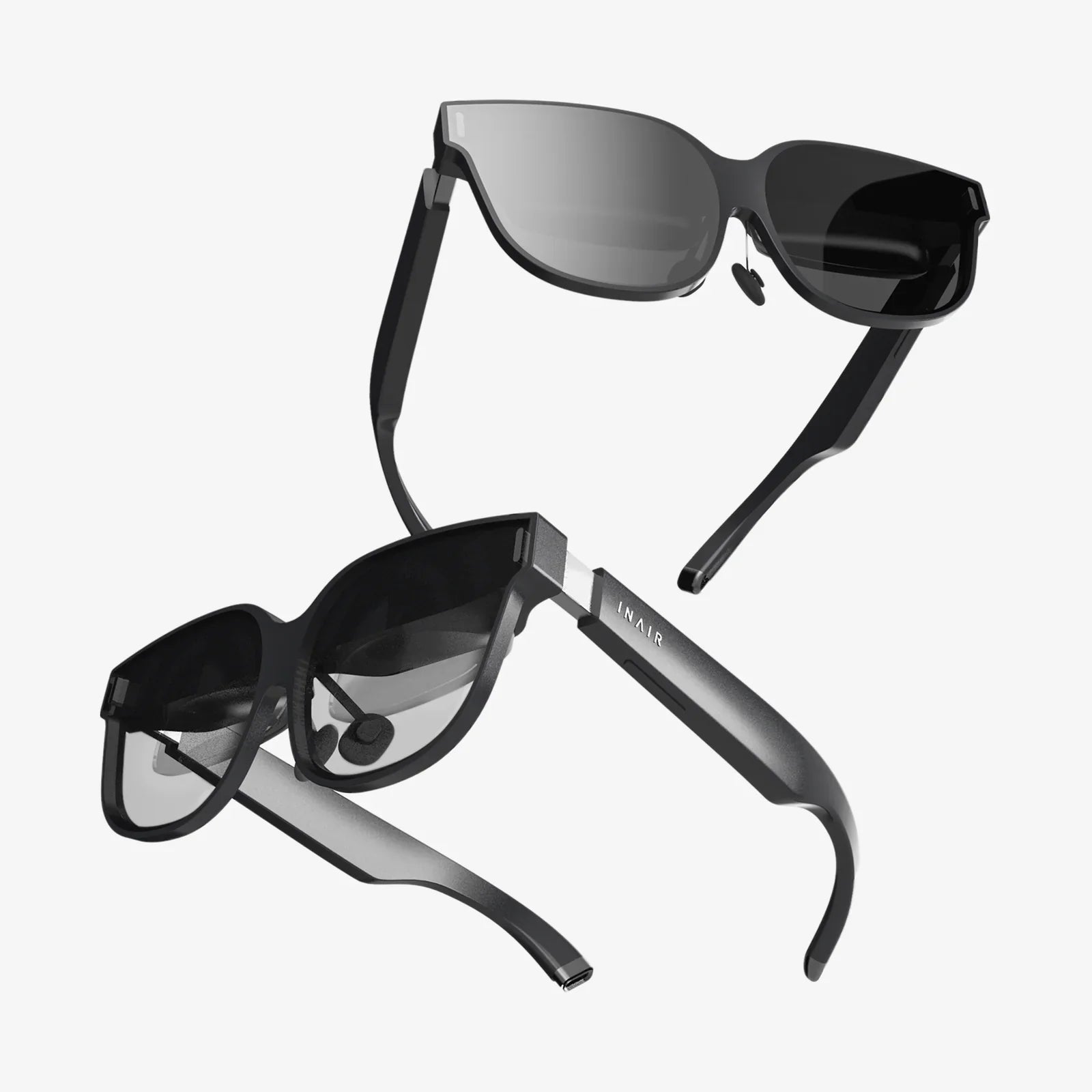
Spectacles for Screen Time: Your Ultimate Guide to Digital Eye Strain Relief
- by wangfred
You rub your eyes after another long day staring at screens, feeling that familiar strain, dryness, and fatigue. The digital glow has become the backdrop of modern life, but your eyes are paying the price. What if a simple optical solution could transform your digital experience, turning hours of screen time from a chore into a comfortable visual journey? The revolution in eyewear is here, and it's specifically engineered for the digital age we live in.
Our lives have migrated to screens in an unprecedented way. The average adult now spends over 13 hours per day consuming digital media across various devices. This massive behavioral shift has created a new category of health concerns specifically related to visual comfort and long-term eye health.
When we stare at digital screens, our eyes are working differently than when we read printed materials. The combination of bright backlighting, high-energy visible blue light, pixel-based images (rather than solid print), and the specific viewing distances required creates a perfect storm of visual stress. This has led to the recognition of a specific condition known as Digital Eye Strain or Computer Vision Syndrome.
The symptoms are unmistakable: headaches that settle behind the eyes, blurred vision that comes and goes, difficulty focusing when looking away from the screen, dry and irritated eyes, neck and shoulder pain, and even increased light sensitivity. These aren't just minor inconveniences; they represent a significant impact on productivity, comfort, and quality of life for millions of people.
At the heart of the discussion about specialized optical wear for digital device use is the topic of blue light. Natural blue light from the sun plays a crucial role in regulating our circadian rhythms and keeping us alert during daylight hours. However, the concentrated artificial blue light emitted by LED screens presents a different challenge altogether.
Digital devices emit significant amounts of high-energy visible (HEV) blue light, which has shorter wavelengths and higher energy than other colors in the light spectrum. This type of light scatters more easily in the eye, creating visual noise and reducing contrast. This scattering effect is one reason why staring at screens can feel so taxing on our visual system.
Research into the long-term effects of blue light exposure is ongoing, but several concerning possibilities have emerged. Some studies suggest that cumulative blue light exposure may contribute to retinal damage over time, potentially increasing the risk of age-related macular degeneration. The more immediate concern, however, is the impact of blue light on our sleep patterns. Exposure to blue light in the evening can suppress melatonin production, disrupting our natural sleep-wake cycles and making it harder to get quality rest.
Spectacles designed specifically for screen time incorporate several key technologies that address the unique visual challenges posed by digital devices. Understanding how these lenses work helps explain why they're more effective than standard prescription glasses for computer use.
The most prominent feature is the blue light filtering technology. These lenses contain special filters that selectively block or absorb a portion of the blue light spectrum emitted by screens. The filtering isn't complete—that would distort color perception too significantly—but it reduces exposure to the most problematic wavelengths while maintaining visual clarity and color accuracy.
Another critical element is the anti-reflective coating. This technology minimizes reflections from both the front and back surfaces of the lenses. By reducing these distracting glares, anti-reflective coatings decrease eye strain and make it more comfortable to work under various lighting conditions, whether in a brightly lit office or a room with multiple light sources.
Many specialized lenses also incorporate a slight magnification in the lower portion of the lens. This feature helps reduce the focusing demand when looking at screens, which are typically positioned closer than distance vision but farther than reading material. This intermediate zone support is crucial for maintaining comfortable vision throughout extended computer use.
While blue light filtration gets most of the attention, advanced optical wear for digital use includes other important features that contribute to visual comfort. Understanding these elements provides a more complete picture of how these specialized spectacles protect your eyes.
Many designs now incorporate specific tints that enhance contrast and reduce the intensity of the bright white backgrounds common in many applications and websites. These subtle tints can make text appear sharper and reduce the overall brightness without requiring you to dim your screen excessively.
Some manufacturers have developed lenses that respond to changing light conditions, offering more protection in brighter environments and less in dimmer settings. This adaptive technology ensures optimal visual comfort regardless of your surroundings.
Surface treatments that repel dust, moisture, and smudges are particularly valuable for those who spend long hours at computers. These coatings make the lenses easier to keep clean and maintain optimal optical quality throughout the day.
While virtually anyone who uses digital devices could benefit from specialized spectacles, certain groups experience particularly pronounced advantages from wearing them. Identifying whether you fall into one of these categories can help determine if investing in these lenses is right for you.
Office workers who spend the majority of their workday in front of computers represent the most obvious beneficiary group. For these individuals, specialized lenses can mean the difference between leaving work feeling refreshed versus experiencing significant eye fatigue and headaches.
Gamers and content creators who engage in extended screen sessions often report remarkable improvements in comfort and performance when using spectacles designed for digital use. The reduction in glare and blue light exposure allows for longer, more comfortable engagement with their screens.
Students of all ages, from elementary school to university level, are increasingly relying on digital devices for their education. Protecting their developing eyes during these formative years represents an important preventive health measure.
Individuals who have undergone cataract surgery may have particular sensitivity to blue light and glare, making specialized spectacles especially valuable for comfortable screen use.
Even casual users who find themselves experiencing symptoms of digital eye strain after several hours of smartphone or tablet use can benefit from the protection these lenses offer.
As with any emerging technology, misconceptions about spectacles for screen time have proliferated. Separating fact from fiction is essential for making informed decisions about eye protection.
One common myth suggests that these spectacles will completely eliminate digital eye strain. While they significantly reduce symptoms for most wearers, they work best as part of a comprehensive approach that includes proper screen settings, regular breaks, and optimal workstation setup.
Another misconception is that blue light filtering technology makes everything appear yellow. While early versions may have had noticeable color distortion, modern lenses have largely overcome this issue through advanced filtering technologies that maintain much more natural color perception.
Some believe that only those with prescription needs can benefit from specialized spectacles. In reality, plano (non-prescription) versions with all the protective features are widely available for those who don't need vision correction.
There's also a mistaken belief that built-in night mode settings on devices eliminate the need for specialized spectacles. While these settings are helpful, they don't address issues like glare, contrast, or the intermediate zone focusing support that specialized lenses provide.
Adopting any new tool requires some adjustment, and spectacles designed for screen time are no exception. Developing effective usage habits ensures you receive the maximum benefit from your investment in visual comfort.
Consistency is key when first beginning to use specialized optical wear. Wearing them during all screen activities helps your eyes adapt to the new visual experience and allows you to accurately assess their effectiveness.
Many users find it helpful to keep their spectacles in a specific location near their primary work area, reducing the chance that they'll forget to wear them during computer sessions.
It's important to combine the use of specialized spectacles with other healthy visual habits. The 20-20-20 rule—looking at something 20 feet away for 20 seconds every 20 minutes—remains an excellent practice for reducing eye strain regardless of what type of eyewear you're using.
Regular cleaning of the lenses ensures optimal performance, as smudges and dust can interfere with the anti-reflective properties and overall visual clarity.
As technology continues to evolve, so too does the innovation in optical wear designed to protect our eyes from digital devices. Several exciting developments are on the horizon that promise to further enhance visual comfort during screen time.
Researchers are exploring adaptive lens technologies that could automatically adjust their level of blue light filtration based on the time of day, supporting natural circadian rhythms while providing appropriate protection.
Advances in augmented reality may eventually integrate with specialized spectacles, creating smart eyewear that not only protects but enhances our digital experiences in revolutionary ways.
New materials and coatings are in development that promise even greater clarity and protection while potentially reducing the weight and thickness of lenses.
As we gain more understanding about the specific impacts of different wavelengths of light, we may see increasingly targeted filtration technologies that block only the most problematic light while allowing beneficial wavelengths to pass through unimpeded.
Selecting the right pair of spectacles for screen use involves considering several factors unique to your individual needs and circumstances. Taking the time to make an informed decision ensures you choose a solution that provides optimal comfort and protection.
The specific nature of your digital device use should guide your selection process. Someone who works primarily with color-sensitive design applications will have different needs than someone who mainly reads text-based documents.
Consider your typical lighting environment. Those who work in spaces with multiple light sources or significant window glare may prioritize anti-reflective properties more than someone in a controlled lighting situation.
If you already wear prescription lenses, consulting with an eye care professional is essential to ensure that your specialized spectacles provide the correct vision correction along with the protective features.
Don't underestimate the importance of physical comfort. Since you'll likely be wearing these spectacles for extended periods, factors like weight, fit, and frame style all contribute to the overall experience.
Finally, consider the quality of the optical materials and the reputation of the manufacturer. As with any optical product, superior materials and craftsmanship translate to better performance and durability.
Imagine finishing your workday without that telltale eye fatigue, enjoying your favorite digital content without compromise, and protecting your long-term visual health—all through the simple act of wearing spectacles specifically engineered for the digital world. The technology exists right now to transform your relationship with screens from one of endurance to one of effortless comfort. Your eyes have been asking for this solution every time they've felt strained; perhaps it's time to finally give them what they need.