


Imagine a world where your watch doesn't just tell time, but tells you about your health; where your ring monitors your sleep, and your glasses overlay digital information onto the physical world around you. This is no longer the realm of science fiction. It is the present, and it is accelerating at a breathtaking pace. The quest to understand the modern smart wearables definition is a journey to the frontier of personal technology, a frontier that is reshaping what it means to be human in an increasingly digital age. This exploration is not just about gadgets; it's about the fundamental integration of technology into the human experience.
The Core of the Matter: Deconstructing the Term
At its most fundamental level, a smart wearable is an electronic device equipped with micro-processors, sensors, and connectivity features that is designed to be worn on the user's body. This simple smart wearables definition is the seed from which a vast technological ecosystem has grown. The key differentiator from a simple wearable, like a traditional wristwatch or a piece of jewelry, is the inclusion of intelligence and connection.
- Intelligence (The "Smart"): This refers to the device's ability to collect data, process it—either on-board or via a connected platform—and execute functions based on that data. This intelligence is powered by software algorithms and, increasingly, artificial intelligence and machine learning.
- Wearability (The "Wearable"): This is the physical aspect. The device must be designed for continuous, hands-free, and often unobtrusive use on the body. Form factor, comfort, battery life, and durability are paramount here. The goal is to make the technology feel like a natural extension of the self.
- Connectivity: A true smart wearable is rarely an island. It connects, typically via Bluetooth, Wi-Fi, or cellular networks, to a broader ecosystem: a smartphone, a cloud-based platform, other wearable devices, or even broader Internet of Things (IoT) networks. This connectivity is what transforms raw data into actionable insights and remote functionality.
The Evolutionary Leap: From Pedometers to AI Partners
The journey of wearables began humbly. The first widely adopted devices were simple pedometers and heart rate monitors used primarily by athletes and fitness enthusiasts. They provided basic, singular data points. The modern smart wearables definition, however, has exploded far beyond this origin story.
The pivotal shift was the move from quantified self to qualified self. Early devices answered the question "How many steps did I take?" Today's advanced wearables aim to answer far more complex and meaningful questions: "Am I getting quality sleep and what is disrupting it?" "Is my stress level impacting my health?" ">Could the subtle variations in my heart rhythm indicate a potential health issue?"
This is made possible by a symphony of sophisticated sensors. Beyond accelerometers and optical heart rate sensors, modern wearables now incorporate:
- Electrocardiogram (ECG) sensors to measure the heart's electrical activity.
- Blood oxygen saturation (SpO2) monitors.
- Skin temperature sensors.
- Galvanic skin response (GSR) sensors to measure electrodermal activity, a marker for stress.
- Microphones and speakers for voice assistance and communication.
- Advanced location tracking via GPS, GLONASS, and Galileo.
This sensor fusion, paired with powerful AI algorithms, allows these devices to move from passive data loggers to proactive health and wellness partners. They don't just report data; they analyze patterns, provide context, and offer personalized recommendations. This proactive, AI-driven functionality is a cornerstone of the contemporary smart wearables definition.
A Spectrum of Form and Function: The Wearable Ecosystem
When most people hear the term, they think of a smartwatch or a fitness tracker. While these are the most popular categories, the universe of wearables is vast and diverse, each with a unique value proposition that expands the overall smart wearables definition.
Wrist-Worn Devices
This category remains the king of the market. It includes everything from basic fitness bands that track steps and sleep to full-featured smartwatches that serve as miniature smartphones on the wrist, handling notifications, calls, apps, and mobile payments, all while offering comprehensive health tracking.
Smart Eyewear
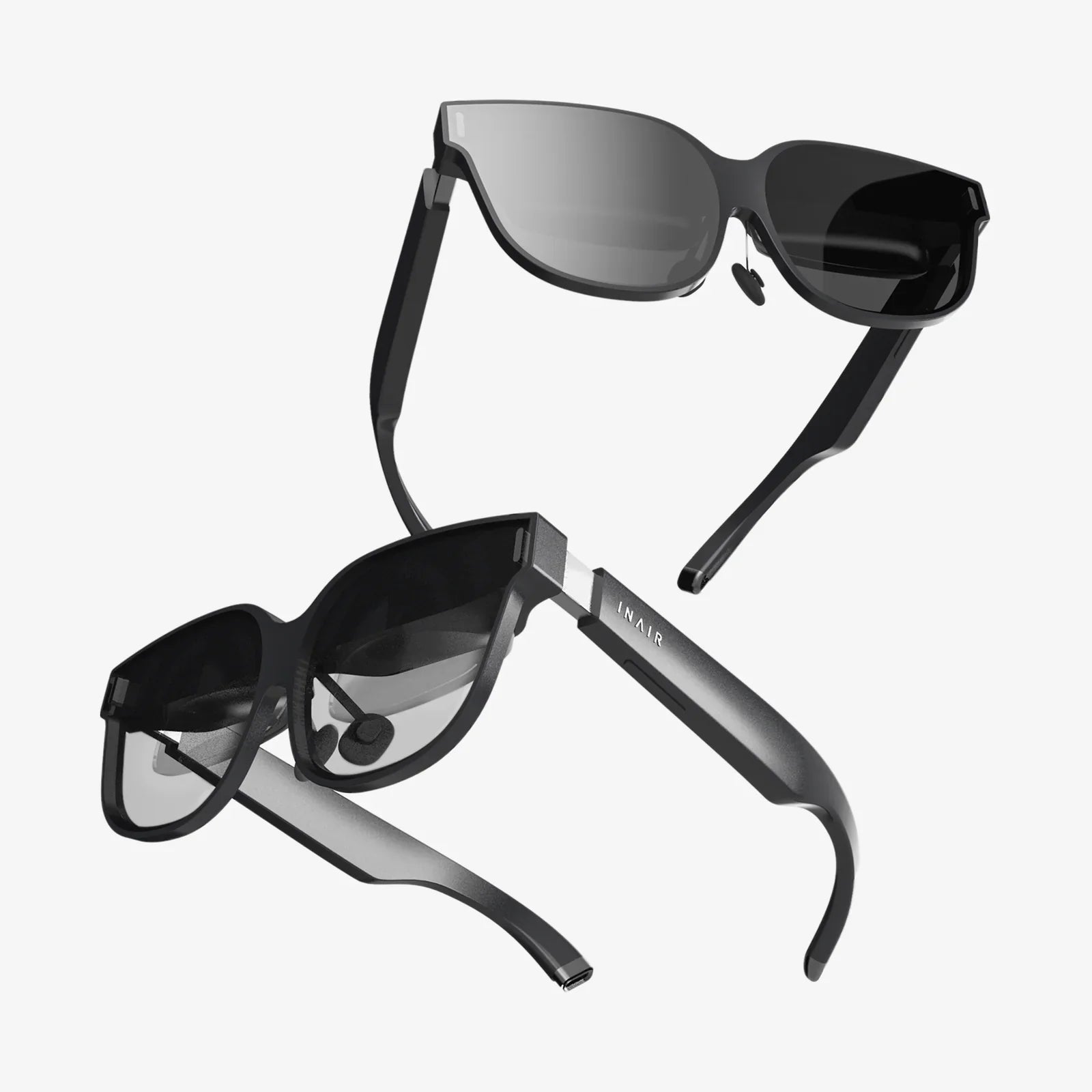
This category represents one of the most exciting frontiers. Augmented Reality (AR) and Virtual Reality (VR) glasses and headsets aim to merge the digital and physical worlds. They can overlay navigation prompts, translate text in real-time, provide immersive training simulations, or offer new forms of entertainment. Smart glasses for hearing augmentation also fall here, filtering and enhancing sound for individuals with hearing impairments.
Smart apparel
Technology is being woven directly into the fabric of our clothing. Shirts with embedded sensors can monitor breathing, posture, and muscle activity for athletes. Shoes can analyze gait and running form. This category embodies the ultimate goal of invisibility within the smart wearables definition—technology that is felt, not seen.
Hearables
Advanced wireless earbuds have transcended their audio-only roots. Many now feature active noise cancellation, integrated voice assistants, real-time language translation, and biometric sensors for heart rate and potentially body temperature, making them a powerful and discreet wearable category.
Other Innovative Form Factors
The innovation continues with smart rings that track sleep and activity with minimal bulk, continuous glucose monitors (CGMs) worn on the arm that provide real-time insights for diabetics, and even smart patches that can deliver medication or monitor vital signs for medical studies. This diversity shows that the smart wearables definition is not confined to a single shape or purpose.
The Human Impact: More Than Just Data Points
The true value of smart wearables is not in the silicon and sensors, but in their impact on human lives. This is where the theoretical smart wearables definition meets tangible reality.
Revolutionizing Personal Health and Wellness
This is the most profound impact. Wearables have democratized health monitoring, putting tools that were once confined to clinics into the hands of consumers. They empower individuals to take a proactive role in their well-being. By providing continuous, longitudinal data, they can reveal trends that a single doctor's visit never could. They are creating a shift from reactive "sick care" to proactive "health care," encouraging preventative behaviors like increased movement, better sleep hygiene, and stress management.
Enhancing Safety and Security
Features like fall detection for elderly users, emergency SOS calling, and location sharing provide a powerful sense of security for both the wearer and their loved ones. In hazardous work environments, wearables can monitor workers' vitals and environmental conditions to prevent accidents.
Redefining Human-Computer Interaction
Wearables are making technology more seamless and intuitive. Voice commands through earbuds or glasses, gesture controls on a watch, or even thought-controlled interfaces in development are moving us away from screens and keyboards towards a more natural form of interaction, a key evolution in the smart wearables definition.
Fostering Connection and Accessibility
For individuals with disabilities, wearables can be life-changing. Smart glasses can help the visually impaired navigate, while advanced hearables can drastically improve hearing and communication. They are powerful tools for breaking down barriers and fostering greater inclusion.
The Flip Side: Navigating the Challenges and Ethical Quandaries
With great power comes great responsibility. The advanced capabilities that define the modern smart wearables definition also introduce significant challenges that society must address.
The Data Dilemma: Privacy and Security
Wearables collect the most intimate data possible: information about our bodies, our habits, our location, and even our biometric identity. Who owns this data? How is it being used? Is it being sold to third parties or used for insurance purposes? The potential for misuse is staggering. Robust cybersecurity is also non-negotiable, as a data breach could expose incredibly sensitive personal information.
Medical Accuracy and Regulatory Hurdles
While many devices offer health insights, most are classified as "wellness" devices rather than regulated medical equipment. This creates a gap between user expectation and clinical reality. The race is on to develop wearables that meet stringent medical-grade accuracy, which would allow them to be used for official diagnosis and remote patient monitoring under a doctor's supervision, further expanding the smart wearables definition into the clinical realm.
The Battery Life Conundrum
For a device meant to be worn continuously, battery life remains a major constraint. The more features that are added, the greater the power drain. Innovations in low-power processors, display technology, and battery chemistry are critical to achieving the goal of true, uninterrupted wearability.
Algorithmic Bias and Equity
The AI algorithms that power these devices are only as good as the data they are trained on. If training data lacks diversity, the resulting health insights and recommendations may be less accurate or even harmful for underrepresented groups. Furthermore, the high cost of advanced wearables risks creating a "digital health divide," where only the wealthy have access to the best tools for proactive health management.
Gazing into the Crystal Ball: The Future of Wearables
The current smart wearables definition is merely a snapshot in time. The trajectory points towards even deeper integration.
We are moving towards invisible technology. The next generation of wearables will likely be embedded in our clothing, stuck on our skin like a temporary tattoo, or even implanted subdermally. They will be powered by energy harvesting from body heat or movement, eliminating the need for daily charging.
The line between accessory and medical device will continue to blur. We will see wearables capable of non-invasively monitoring a wider range of biomarkers, from blood glucose and hydration levels to early signs of infection like the common cold or flu.
Finally, the future of wearables is not in standalone devices but in a connected ecosystem of self. Your smart ring will talk to your glasses, which will communicate with the sensors in your running shoes and the smart grid in your home, all working in concert to create a holistic, responsive, and deeply personalized environment tailored to your real-time physiological and contextual needs.
The promise of smart wearables is a future of unprecedented self-awareness, empowerment, and seamless connection. It’s a future where technology doesn’t demand our attention but quietly works in the background to enhance our health, safety, and human experience. The journey from a simple step counter to an AI health guardian has been rapid, but the most transformative chapters, where the very definition of a wearable dissolves into the fabric of our lives, are yet to be written. The next time you glance at your wrist, remember, you're not just looking at a device; you're looking at a portal to this incredible future, already unfolding one data point at a time.
Share:
AR Automatic: The Future of Interaction Is Here and It Sees Everything
Augmented Tech: The Invisible Layer Reshaping Our Reality