


Imagine a world where human error on the factory floor is a distant memory, where a new technician can perform a complex repair with the confidence of a veteran, and where every process improvement is instantly communicated to every single employee, anywhere in the world. This isn't a vision of a far-off future; it's the reality being built today with the strategic implementation of smart work instructions. This transformative technology is moving beyond static PDFs and clunky binders to create a living, breathing digital ecosystem for frontline operations.
The Limitations of the Paper Paradigm
For decades, operational tasks have been guided by paper-based manuals, printed SOPs (Standard Operating Procedures), and checklists taped to machinery. While these tools were once the standard, their inherent limitations are now glaringly obvious in a fast-paced, data-driven world. They are static, meaning any change or improvement requires a costly and time-consuming process of reprinting and redistribution, inevitably leading to version control nightmares. Is the person on the shop floor using revision 4.2 or the outdated 3.7? This ambiguity directly leads to errors, rework, and compliance risks.
Furthermore, paper is passive. It cannot capture data, offer context, or adapt to unique situations. It provides the "what" but rarely the "why." A new employee reading a text-heavy, poorly lit diagram of a machine assembly is left with more questions than answers. This knowledge gap slows down training, increases the likelihood of mistakes, and creates a heavy reliance on tribal knowledge—the unwritten wisdom held by experienced workers that walks out the door when they retire.
What Exactly Are Smart Work Instructions?
Smart work instructions are dynamic, digital guides that transform a series of steps into an interactive, intuitive, and data-rich experience. They are not merely digitized paper manuals; they are a fundamental rethinking of how knowledge is delivered and consumed at the point of work. Think of them as a GPS for complex procedures: they don't just show you a map; they guide you turn-by-turn, reroute you around obstacles, and provide real-time information about your journey.
At their core, these systems consolidate critical information into a single pane of glass for the operator. This typically includes:
- Visual Work Guides: High-resolution images, 3D animations, and video demonstrations that show exactly how a task should be performed, replacing ambiguous text descriptions.
- Interactive Checklists: Digital sign-offs for each step ensure procedures are followed in sequence and nothing is missed. These checklists can include mandatory fields, such as capturing a torque value or a serial number, before allowing the user to proceed.
- Integration with Tools and Systems: Direct connections to machinery, IoT sensors, and enterprise systems like ERP (Enterprise Resource Planning) or MES (Manufacturing Execution Systems). The instructions can automatically pull data (e.g., "The sensor confirms the temperature has stabilized. Proceed to next step") or push data back to create a digital record.
- Contextual Knowledge: Embedded links to safety data sheets, quality specifications, and machine-specific manuals provide deep knowledge on demand, right when and where it's needed.
- Real-Time Data Capture: Every interaction is logged—timestamps, completions, deviations, and collected data. This creates an immutable digital thread for full traceability and powerful analytics.
The Tangible Benefits: Transforming Operations from the Ground Up
The shift from analog to digital instructions delivers a powerful return on investment across multiple dimensions of operational performance.
Dramatic Reduction in Errors and Defects
Human error is one of the largest contributors to quality issues and safety incidents. Smart instructions combat this by simplifying complexity. By using visual cues, forcing a specific sequence, and integrating with tools (e.g., a connected torque wrench that confirms a bolt was properly tightened), they remove the ambiguity that leads to mistakes. The result is a significant drop in defects, rework, and scrap, directly improving product quality and customer satisfaction.
Accelerated Expertise and Training
Bridging the skills gap is a critical challenge for many industries. Smart work instructions act as an always-available, infinitely patient digital mentor. They allow new hires to become productive faster and with greater confidence, reducing the time and cost associated with traditional training. They also democratize expertise, ensuring that best practices are consistently followed by everyone, not just the most experienced team members. This is crucial for preserving institutional knowledge as seasoned workers retire.
Unprecedented Visibility and Continuous Improvement
Paper checklists end up in a filing cabinet. Data from smart instructions flows into a centralized dashboard, providing live visibility into operations. Managers can see which procedures are taking longer than expected, where operators are frequently pausing or seeking help, and if there are consistent deviations from the standard process. This data is gold dust for continuous improvement initiatives. Instead of guessing where bottlenecks are, teams can use data to pinpoint exact issues, optimize processes, and update the digital instructions instantly for everyone.
Enhanced Safety and Compliance
In high-risk environments, following procedure is a matter of safety. Smart instructions can incorporate mandatory safety warnings, require confirmation that lockout-tagout has been performed, or even integrate with wearable sensors to monitor environmental conditions. From a compliance perspective, the digital thread provides an auditable record that proves exactly who did what, when, and how. This is invaluable for regulated industries like aerospace, medical devices, and pharmaceuticals, where proving adherence to strict standards is mandatory.
Key Considerations for Successful Implementation
Adopting smart work instructions is a cultural and technological shift, not just a software installation. Its success hinges on several factors.
Choosing the Right Processes
Not every task needs to be a smart instruction. The best candidates are processes that are complex, critical to quality or safety, frequently performed by different people, or prone to human error. Start with a pilot project on a high-value process to demonstrate quick wins and build organizational buy-in.
Intuitive User Experience (UX) and Interface (UI)
The technology must serve the user, not the other way around. The interface must be incredibly simple, intuitive, and designed for use in often harsh industrial environments—think large buttons, glare-resistant screens, and functionality that works while wearing gloves. If the system is cumbersome, workers will find ways to work around it, undermining the entire initiative.
Integration is Key to Unlocking Value
The true power of "smart" is realized through integration. Connecting the instructions to PLCs (Programmable Logic Controllers), quality management systems, and parts databases transforms them from a guide into an intelligent system that can automate data entry, prevent errors, and provide real-time context.
Managing Organizational Change
Workers may fear that this technology is meant to replace them or micromanage their every move. Clear communication is essential. The narrative must focus on empowerment: these are tools to make jobs easier, safer, and more efficient. Involving frontline workers in the design and testing phases is crucial for gaining their trust and ensuring the instructions are practical and useful.
The Future is Adaptive and Augmented
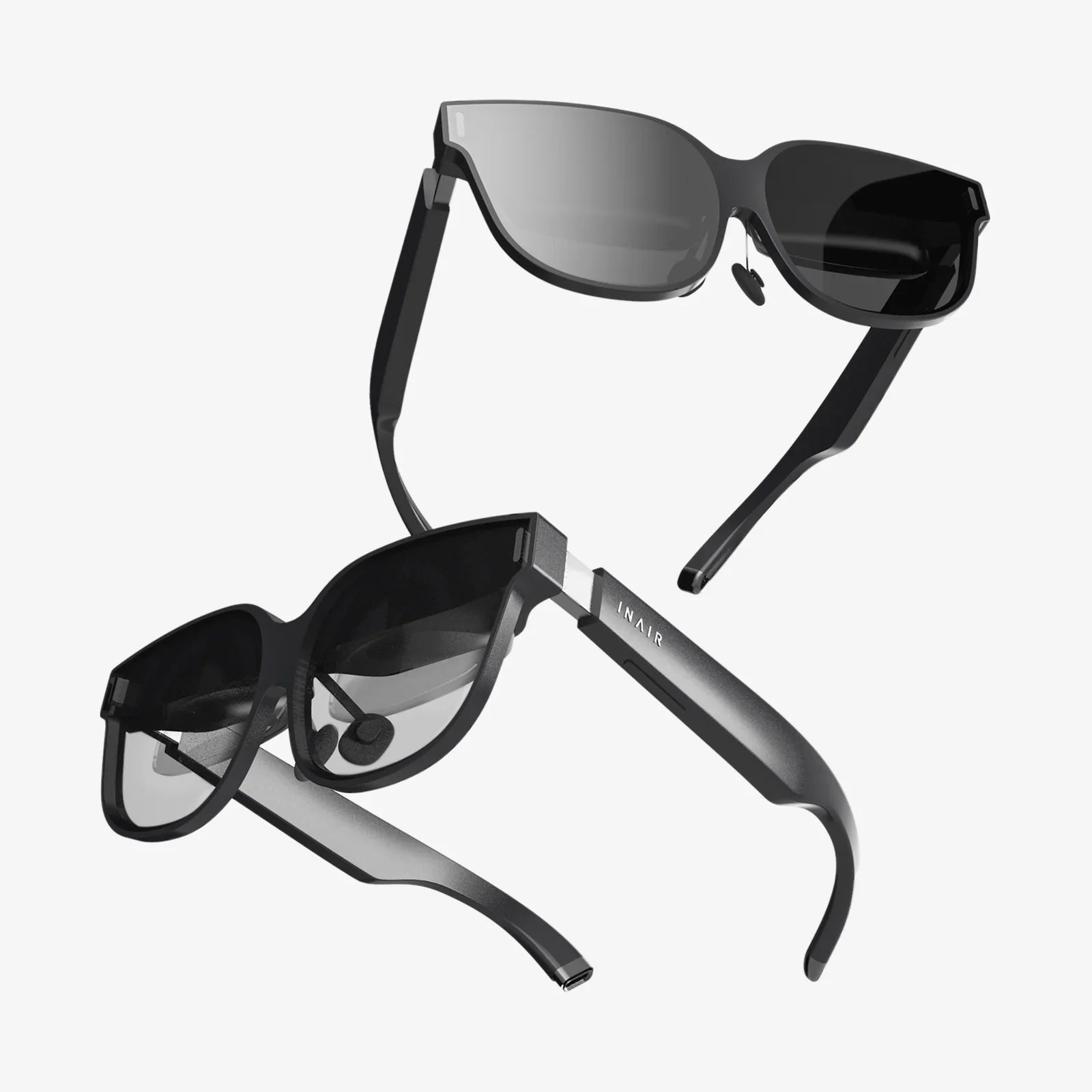
The evolution of smart work instructions is already heading towards even more sophisticated applications. We are moving towards adaptive instructions that can change based on real-time data—for example, altering assembly steps based on the specific calibration results of a component. Furthermore, the integration with Augmented Reality (AR) overlays digital information directly onto the physical world through smart glasses or tablets, allowing workers to see wiring diagrams superimposed on a panel or animation sequences played out on the actual machine they are repairing.
Artificial Intelligence (AI) and Machine Learning (ML) will play a growing role in analyzing the vast amounts of data collected to predict failures, automatically suggest optimizations to procedures, and create personalized learning paths for operators based on their specific needs.
The silent revolution on the factory floor and in the field service truck isn't about replacing humans with robots; it's about augmenting human capability with intelligent digital tools. Smart work instructions represent a fundamental leap towards a future where every worker is an expert, every action is informed, and continuous improvement is seamlessly woven into the fabric of daily work. The question for leaders is no longer if they should adopt this technology, but how quickly they can afford to wait.
Share:
How Is Virtual Reality Different From Augmented Reality: A Deep Dive Into The Digital Frontier
What Are the Best AR Glasses on the Market? A Guide to the Top Contenders