


Imagine a workday that adapts to your life, not the other way around. A day where your commute is a choice, your productivity is intelligently maximized by ambient technology, and your sense of connection to colleagues is stronger than ever, despite the physical distance. This isn't a distant sci-fi fantasy; it is the tangible, rapidly approaching reality of smart working in 2025. The convergence of artificial intelligence, immersive technologies, and a profound cultural shift in management philosophy is poised to dismantle the last vestiges of the industrial-era office, creating a dynamic, fluid, and deeply human-centric future of work. The revolution is no longer about where we work, but how we work—and it promises to be smarter than we ever imagined.
The Evolution from Remote Work to Truly Smart Working
The global shift to remote work was a reactive necessity, a grand experiment forced upon the world. By 2025, this period will be seen as the painful but necessary gestation for the era of smart working. The key distinction is intelligence and intentionality. Where remote work often simply transplanted office processes onto digital screens at home—leading to burnout, video call fatigue, and a blurring of work-life boundaries—smart working is a designed system. It is a holistic approach that leverages technology, data, and reimagined processes to optimize outcomes for both the organization and the individual. It moves beyond the binary choice of 'office' or 'home' to a hybrid, flexible model where work is an activity, not a location.
The Pillars of the 2025 Smart Working Ecosystem
This new world of work will be built upon several interconnected pillars, each powered by technological advancement and a new mindset.
The AI-Powered Digital Workspace
By 2025, the clunky collection of disparate applications we use today will be seamlessly integrated into a single, intelligent digital workspace. This platform will be proactive, not reactive. Artificial intelligence will act as a central nervous system, orchestrating our workflow. It will:
- Prioritize and Triage: AI will analyze emails, messages, and tasks to surface what truly requires your attention, silencing the digital noise that cripples productivity.
- Automate the Mundane: From scheduling meetings across time zones to generating routine reports and summarizing long email threads, AI assistants will handle administrative overhead, freeing up cognitive capacity for strategic thinking.
- Personalize the Flow: The workspace will learn your individual work patterns—your most productive hours, your preferred focus time blocks—and will intelligently schedule deep work, suggesting breaks and minimizing interruptions.
Hyper-Connected Collaboration in Immersive Spaces
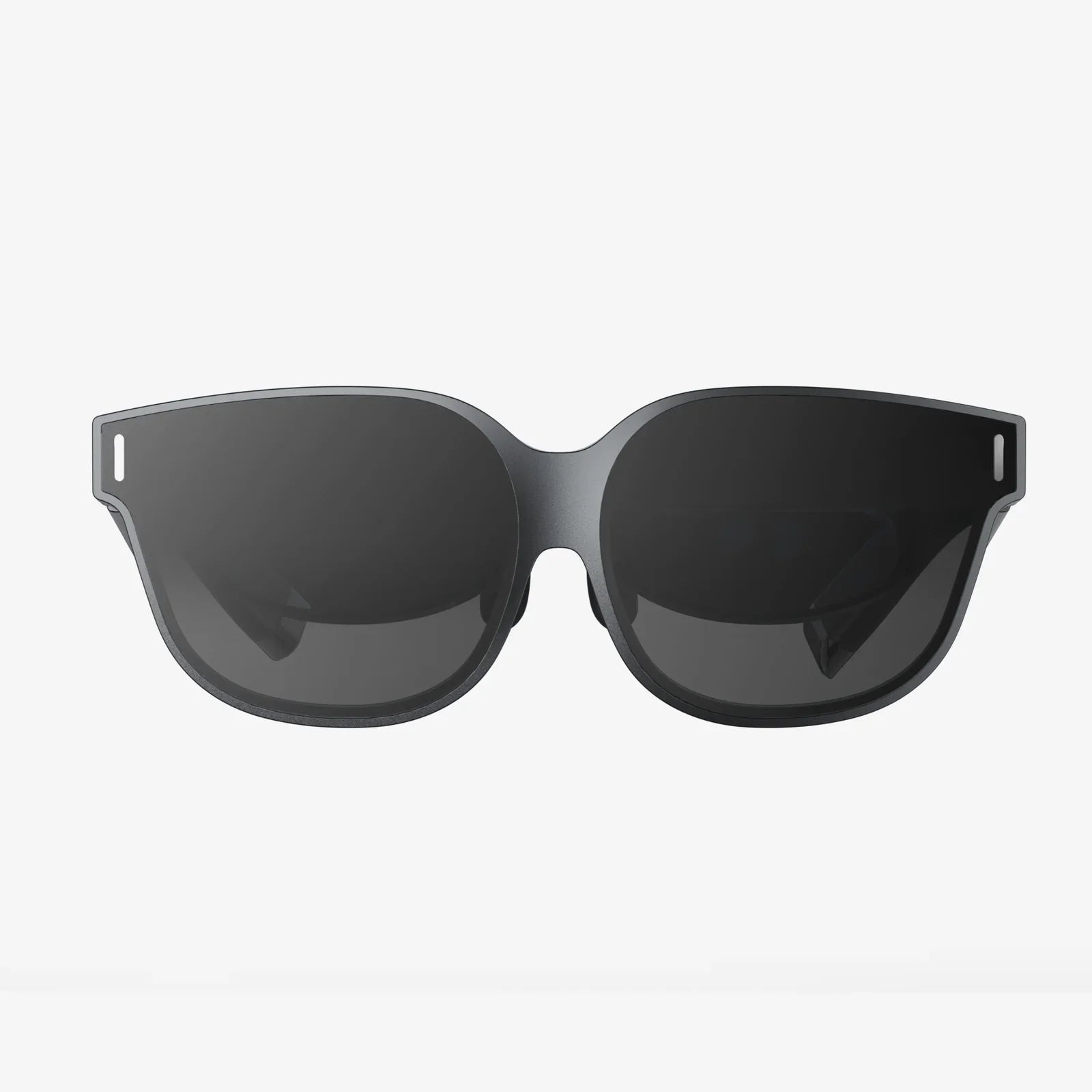
Video conferencing, while a lifesaver during the pandemic, is a poor imitation of the rich, nuanced interaction of in-person collaboration. Smart working 2025 will leverage immersive technologies to bridge this gap. We will see the rise of the metaverse for business: persistent virtual workspaces where avatars of colleagues can gather around a virtual whiteboard, manipulate 3D models together in real-time, or simply have a 'water cooler' conversation in a digitally rendered common area. These spaces, accessible through increasingly lightweight augmented and virtual reality headsets, will provide a sense of shared presence and spatial awareness that flat screens cannot, making collaboration more natural, engaging, and effective.
Data-Driven Management and Performance
The outdated model of management-by-line-of-sight will be completely obsolete. Instead, leadership will be guided by data and outcomes. Performance will be measured by deliverables, impact, and results, not by hours logged online. Advanced people analytics platforms will provide insights into team well-being, collaboration patterns, and potential burnout risks, allowing managers to intervene supportively rather than punitively. This shift requires a monumental change in management training, moving from supervisors to coaches and enablers who trust their teams and focus on removing obstacles to their success.
Intentional Hybrid Hubs: The Reimagined Physical Office
The physical office is not dying; it is evolving. By 2025, it will have shed its rows of desks and become a destination for intentional collaboration and culture-building. These spaces will be designed as hybrid hubs:
- Collaboration Zones: Equipped with state-of-the-art technology for seamless meetings between in-room and remote participants, fostering true equity in hybrid meetings.
- Social Anchors: Spaces designed explicitly for serendipitous interaction, team bonding, and mentoring—the social capital that is hard to build digitally.
- Wellness Focus: Quiet pods for focus work, wellness rooms, and amenities that support employee health, making the office a place people want to go to, not have to go to.
The Human Element: Leadership, Culture, and Well-being in a Distributed World
Technology is merely the enabler; the true heart of smart working is its human-centric focus. The greatest challenge organizations will face is nurturing culture, fostering belonging, and ensuring well-being in a distributed model.
Radical Trust and Autonomy
The foundation of this new era is radical trust. Micromanagement is not only inefficient in a smart working model; it is toxic. Leaders must trust their employees to deliver outcomes, granting them autonomy over their schedules and work methods. This empowerment is a powerful driver of engagement and innovation.
Deliberate Cultivation of Culture
Company culture will no longer be an organic byproduct of sharing a physical space. It must be deliberately designed and cultivated. This means intentional rituals, virtual and in-person social events that are inclusive of all participants, and a renewed focus on clear, shared values that guide decision-making and behavior across the entire organization, regardless of location.
The Non-Negotiable Priority of Well-being
The always-on digital culture is a recipe for burnout. Smart working 2025 must institutionalize well-being. This includes:
- Digital Detox Policies: Encouraging 'right to disconnect' policies and norms that respect personal time.
- Focus on Mental Health: Providing robust resources and support, and training managers to recognize signs of stress in a remote setting.
- Ergonomics and Home Environment: Supporting employees in creating effective, healthy home working environments.
Navigating the Challenges: Security, Equity, and the Digital Divide
The path to 2025 is not without its obstacles. Organizations must proactively address critical challenges.
Cybersecurity in a Perimeter-Less World
With data and access points distributed across countless home networks and personal devices, the corporate network perimeter vanishes. Security must become identity-centric and data-centric, relying on zero-trust architectures where every access request is verified, regardless of its origin. Employee training on cyber hygiene will be as important as any technological solution.
Ensuring Equity and Inclusion
The hybrid model risks creating a two-tier system: those in the office who benefit from proximity to leadership and those who are perpetually remote and invisible. Combating this requires conscious effort: equitable meeting participation rules, ensuring remote employees have equal access to key projects and mentorship, and measuring performance based on objective outcomes to avoid proximity bias.
Bridging the Digital and Skills Divide
Not every role or every person is suited to a highly autonomous, digital-first work style. Organizations must invest heavily in continuous upskilling and reskilling, ensuring all employees have the digital literacy and self-management skills to thrive. Furthermore, companies must be mindful of access to high-speed internet and adequate workspaces, potentially offering stipends to create a level playing field.
The Road to 2025: A Strategic Imperative
Preparing for smart working is not an IT project or an HR initiative; it is a core business strategy that requires C-suite ownership and a cross-functional effort. The organizations that will win the war for talent and achieve superior productivity are those that start now to:
- Audit their technology stack and invest in integrated, AI-powered platforms.
- Redefine their physical spaces for collaboration, not occupancy.
- Retrain managers for leadership in a distributed, outcome-based environment.
- Co-create new working norms and policies with employees, fostering a culture of trust and experimentation.
The clock is ticking towards a future where work folds seamlessly into life, empowered by technology that feels like magic and guided by a leadership philosophy that values human potential above all else. The office of the past is fading into memory, replaced by a dynamic, intelligent ecosystem that works for us. By 2025, the question won't be if your company has adopted smart working, but how brilliantly you've mastered it to unlock creativity, drive innovation, and build a truly sustainable and fulfilling model for human achievement. The future of work isn't coming; it's being built by the choices we make today.
Share:
What Is A 3D Virtual Reality Headset - A Portal To New Realities
What Is A 3D Virtual Reality Headset - A Portal To New Realities