


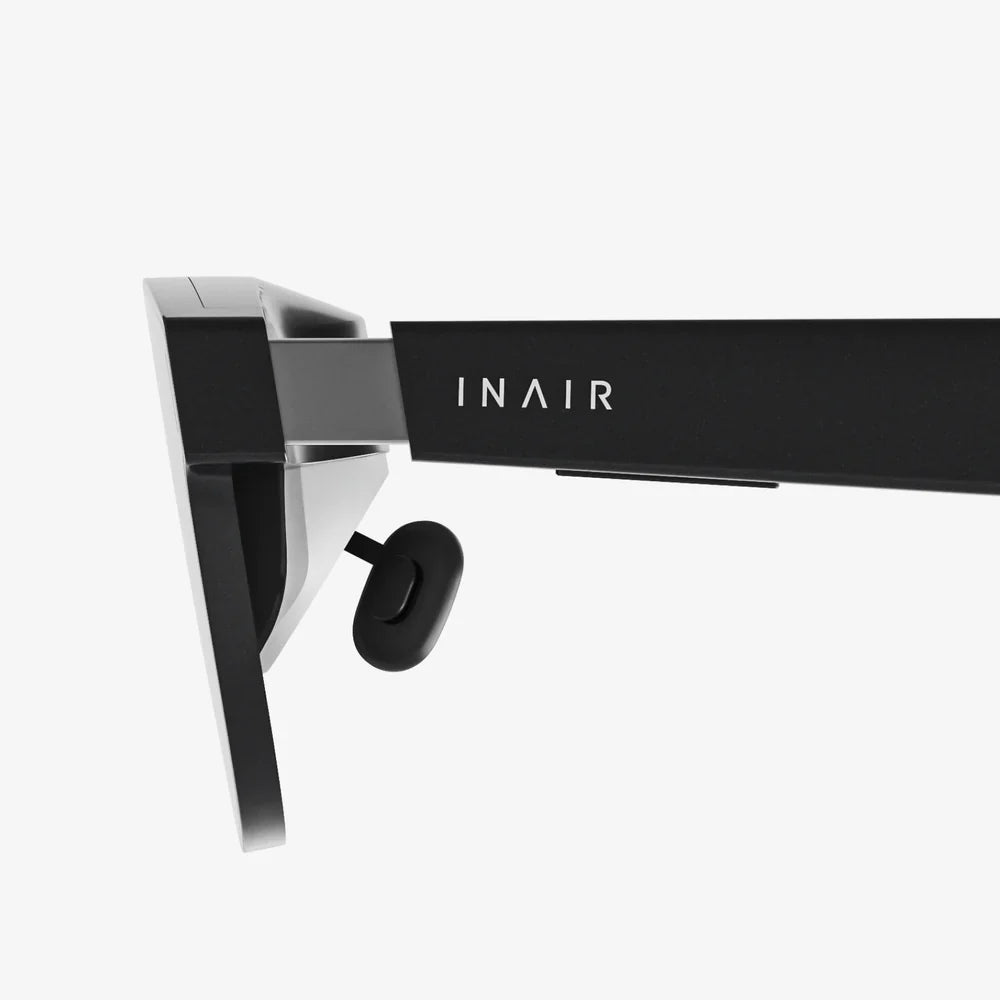
Imagine a world where your technology doesn't just sit in your pocket, demanding your attention, but instead works silently in the background, woven into the fabric of your life, anticipating your needs and empowering your potential. This is no longer the realm of science fiction; it is the emerging reality forged by the powerful, inseparable alliance between the smartphone and the wearable. This digital duo is evolving from a mere convenience into a central nervous system for modern life, a partnership that is fundamentally reshaping how we interact with technology, data, and ultimately, ourselves.
The Evolution of a Partnership: From Novelty to Necessity
The relationship between the smartphone and the wearable did not begin as a deep, symbiotic connection. In its infancy, the wearable was often a novelty—a gadget that offered a tantalizing glimpse of the future but was hampered by technological limitations and a reliance on its more powerful sibling. Early iterations were simple pedometers or basic notification relays, tethered to the phone via a fragile Bluetooth connection, constantly draining batteries on both ends. The smartphone was the brain, and the wearable was a peripheral, a simple input/output device with limited autonomy.
This dynamic began to shift rapidly with advancements in microchip design, sensor technology, and battery efficiency. Wearables grew smarter, packing sophisticated heart rate monitors, accelerometers, gyroscopes, and even blood oxygen sensors into impossibly small form factors. They began to process data on-device, a concept known as edge computing, reducing their dependency on the phone for every single task. The smartphone, in turn, evolved into a powerful command center and data repository. It became the hub where all the streams of personal biometrics, activity patterns, and environmental data from the wearable converged to be processed, visualized, and turned into actionable insights.
The Seamless Data Loop: How the Duo Works in Concert
The true magic of this partnership lies in the creation of a seamless, continuous loop of data and functionality. It’s a constant, silent conversation between the devices on your wrist and in your pocket.
1. Continuous, Unobtrusive Monitoring
The wearable acts as a persistent sensory organ. While your phone is tucked away, your smartwatch is tracking your heart rate variability, monitoring your sleep stages, counting your steps, and even noting your stress levels throughout the day. This 24/7 passive data collection provides a holistic picture of your health and activity that would be impossible to gather through sporadic phone use. You can’t hold your phone while running a marathon, sleeping, or swimming, but a dedicated wearable can collect invaluable data during these crucial moments.
2. Intelligent Notification Filtering
The smartphone is the gateway to a world of information, but this constant stream of emails, messages, and alerts can be overwhelming. The wearable serves as a intelligent filter. It can be configured to mirror only the most critical notifications from the phone—a call from a loved one, a calendar reminder for an important meeting, or a message from a key contact. A discreet vibration on the wrist allows you to triage information without the disruptive and often addictive need to constantly unlock and stare at your phone screen. This creates a less intrusive and more mindful digital experience.
3. The Phone as a Command Hub
Once the data is collected on the wearable, it is seamlessly synced to the smartphone. Here, powerful processors and sophisticated algorithms take over. The phone’s larger screen and more complex user interface are perfect for diving deep into the data. You can review your weekly sleep trends, analyze your workout history, track your heart rate recovery over time, and even share this data with healthcare professionals. The phone becomes the platform for longitudinal analysis, pattern recognition, and long-term goal setting, transforming raw data into meaningful knowledge.
4. Enhanced Functionality and Control
The connection is a two-way street. The wearable often acts as a remote control for the smartphone. You can control music playback, use the wearable’s camera to frame a shot on your phone from a distance, or even ping your phone to find it when it’s buried under a couch cushion. This extends the phone’s utility without requiring you to physically handle it constantly.
Beyond the Wrist: The Expanding Ecosystem of Wearables
While smartwatches and fitness trackers are the most visible examples, the category of "smartphone wearables" is expanding dramatically, further deepening the integration of technology into our lives.
- Smart Glasses and AR: These devices promise to overlay digital information onto the physical world. The smartphone is poised to be the computational engine for this augmented reality, processing complex visual data and providing the necessary power, while the glasses act as the display and sensor array.
- Smart Rings: Offering an even more minimalist and continuous form of tracking, particularly for sleep and activity, these devices trade screen real estate for extended battery life and constant wearability, syncing their data to the phone for analysis.
- Hearables: Advanced wireless earbuds have evolved into sophisticated wearables in their own right. They now feature active noise cancellation, transparency modes, biometric sensors, and integrated voice assistants, all managed and fine-tuned through their companion smartphone application.
- Smart Clothing: From running shirts that monitor muscle activity to socks that analyze running gait, these textiles embed sensors directly into fabric. Their data is typically relayed to a smartphone app, providing incredibly detailed biomechanical feedback.
This growing ecosystem means the smartphone is no longer paired with just one wearable but is becoming the central hub for a personalized network of connected devices, each providing a different stream of data to create a comprehensive digital portrait of the user.
The Deeper Impact: Transforming Health, Wellness, and Productivity
The convergence of smartphones and wearables is moving beyond convenience and is having a tangible impact on core aspects of our lives.
A Revolution in Personal Health
This is arguably the most significant area of impact. The duo has democratized access to health monitoring. Millions of people now have access to ECG capabilities, blood oxygen monitoring, and irregular heart rhythm notifications right on their wrists, with the phone storing historical data to share with a doctor. This has enabled early detection of potential health issues like atrial fibrillation (AFib) for countless individuals. Furthermore, the combination of motivational apps on the phone and constant tracking on the wearable has proven highly effective in encouraging more active lifestyles, better sleep hygiene, and overall mindfulness.
Redefining Digital Mindfulness
Paradoxically, the device on our wrist can help us disconnect from the device in our pocket. By filtering notifications and allowing users to quickly assess an alert's importance without engaging fully, wearables can reduce the compulsive need to check our phones. Many devices and their companion apps now include features for setting activity goals, reminding you to breathe, or nudging you to stand up and move after a period of inactivity, fostering a more balanced relationship with technology.
The Future of Authentication and Security
The pairing of these devices offers a powerful layer of security. A wearable can act as a physical token for two-factor authentication, ensuring that only the person wearing the device paired with the phone can access sensitive information. Some systems can even use the unique rhythm of a user’s heartbeat or the specific way they walk (gait analysis) as a continuous biometric authentication method, making our digital lives more secure without the need for passwords.
Navigating the Challenges: Privacy, Battery Life, and Digital Divides
This deeply integrated future is not without its significant challenges and ethical considerations.
The most pressing concern is data privacy and security. The combination of smartphones and wearables generates an unprecedented amount of intensely personal data—where you go, how you sleep, your heart rate throughout the day, and even potentially audio snippets from your environment. This treasure trove of information is incredibly valuable, not just to you, but also to advertisers, insurers, and potentially malicious actors. Robust encryption, transparent data policies, and giving users full control over their data are non-negotiable requirements for the ethical development of this technology.
Battery life remains a persistent hurdle. While both devices have improved, the constant sensing, communication, and processing required for deep integration can be a drain. Users often find themselves in a cycle of charging multiple devices daily, which can interrupt the continuous monitoring that makes the technology so valuable. Breakthroughs in battery technology or ultra-low-power chipsets are critical for the next leap forward.
Finally, there is the risk of a deepening digital divide. As health monitoring and daily convenience become increasingly tied to owning both a sophisticated smartphone and a capable wearable, there is a danger that these advanced tools for self-improvement and healthcare will only be accessible to those who can afford them, exacerbating existing inequalities.
The Horizon of Possibility: What Lies Ahead for the Digital Duo
The trajectory of smartphone and wearable integration points toward an even more seamless and intuitive future. We are moving toward a paradigm where the technology fades into the background, becoming what pioneering computer scientist Mark Weiser called "ubiquitous computing" or "calm technology."
Future wearables will likely feature more advanced, self-contained AI, capable of making complex interpretations of data on the device itself, further reducing latency and privacy concerns. The smartphone’s role may evolve from a central hub to more of a secure data library and a gateway to wider networks. We can anticipate more sophisticated health sensors non-invasively measuring glucose levels, blood pressure, and even early signs of illness, turning our wearables into true early-warning health systems.
The connection between the devices will become more effortless, perhaps leveraging new wireless standards for instant, low-energy pairing and data transfer. The user interface will become more contextual and anticipatory, with the system suggesting actions based on your biometric state, location, and calendar—all synthesized from the constant dialogue between your pocket and your wrist.
The line between the two devices will continue to blur until the concept of "pairing" becomes obsolete. They will simply be two parts of a single, distributed personal computing system—one that is always with you, always on, and always working to augment your human experience without demanding your constant attention. This isn't just about having a smartwatch and a phone; it's about building a smarter, more responsive, and profoundly personal digital layer for your life, and it’s a future that is already unfolding on our wrists and in our pockets.
Share:
VR Goggles Illustration: A Comprehensive Guide to Visualizing Virtual Reality
VR Goggles Illustration: A Comprehensive Guide to Visualizing Virtual Reality