


- by wangfred
South Korea Augmented Reality Market: A Blueprint for a Digitally Enhanced Future
- by wangfred
Imagine a world where the boundary between the digital and the physical dissolves, where information and imagination are painted onto the very fabric of reality, and where a nation's entire industrial and cultural might is aligned to build this future today. This is not science fiction; it is the present-day reality of the South Korea augmented reality market, a fascinating ecosystem poised to redefine how we interact with the world around us.
No discussion of the South Korean AR landscape can begin without acknowledging the bedrock upon which it is built: world-leading digital infrastructure. The nation boasts one of the highest rates of smartphone penetration and internet usage globally, coupled with the fastest average connection speeds. The rapid and widespread rollout of fifth-generation (5G) wireless networks has been a critical catalyst, providing the low latency and high bandwidth essential for seamless, high-fidelity AR experiences. This network eliminates the lag and jitter that can break immersion, enabling complex AR applications that were previously confined to powerful, tethered computers to now run smoothly on mobile devices. This ubiquitous, high-speed connectivity is the oxygen for the AR market, allowing data-heavy AR content—from detailed 3D models to real-time multi-user interactions—to stream instantly, making the technology accessible to millions outside the major metropolitan hubs.
The South Korean government has not been a passive observer in this technological revolution. It has acted as a primary architect and accelerator through ambitious national strategies. Initiatives like the Digital New Deal
explicitly identify immersive technologies like AR and VR as core growth engines for the nation's future economy. This top-down approach involves significant public investment in research and development, the creation of supportive regulatory sandboxes that allow for innovation, and fostering public-private partnerships. The government's vision extends beyond commerce, exploring AR for public good: enhancing public safety through informational overlays for first responders, revitalizing tourism through immersive historical recreations at cultural sites, and modernizing public services. This clear and funded national commitment de-risks private investment and sends a powerful signal to the market, encouraging both large corporations and agile startups to build for the AR future.
Technology adoption is ultimately driven by people, and South Korean consumers are renowned for their enthusiasm for new gadgets and digital experiences. This cultural affinity for technology creates a fertile and receptive market for AR applications. Early adoption is high, and consumers are willing to experiment with AR features in their daily lives. This demand is most visible in the massive influence of the entertainment and beauty sectors. The phenomenal global success of K-pop and the pervasive K-beauty
industry have become unexpected but powerful drivers for AR. Fans use AR filters to virtually try on the makeup and fashion of their favorite idols, while K-pop agencies release AR-based content that allows for deeper, interactive fan engagement. This cultural momentum has normalized AR for a generation, moving it from a novelty to an expected feature within popular apps and platforms, thereby creating a powerful demand-side pull that fuels further innovation and content creation.
Perhaps the most immediate and tangible impact of AR is being felt in the retail sector, where it is fundamentally altering the consumer journey. The try-before-you-buy
concept has been supercharged. In furniture and home goods, applications allow users to project true-to-scale 3D models of sofas, tables, and décor into their living spaces, visualizing how items will fit and look before purchase. This drastically reduces purchase hesitation and lowers return rates. In the fashion and beauty industries, virtual fitting rooms enable customers to try on clothing, glasses, watches, and a vast array of makeup products from the comfort of their homes. This is not just a gimmick; advanced AR solutions use accurate skin tone analysis and facial mapping to provide highly realistic previews. For automotive, potential buyers can configure car models, changing colors and rims, and then walk around a virtual model placed in their driveway. This application of AR bridges the critical gap between online browsing and the physical in-store experience, enhancing consumer confidence and driving sales conversion in the increasingly dominant e-commerce space.
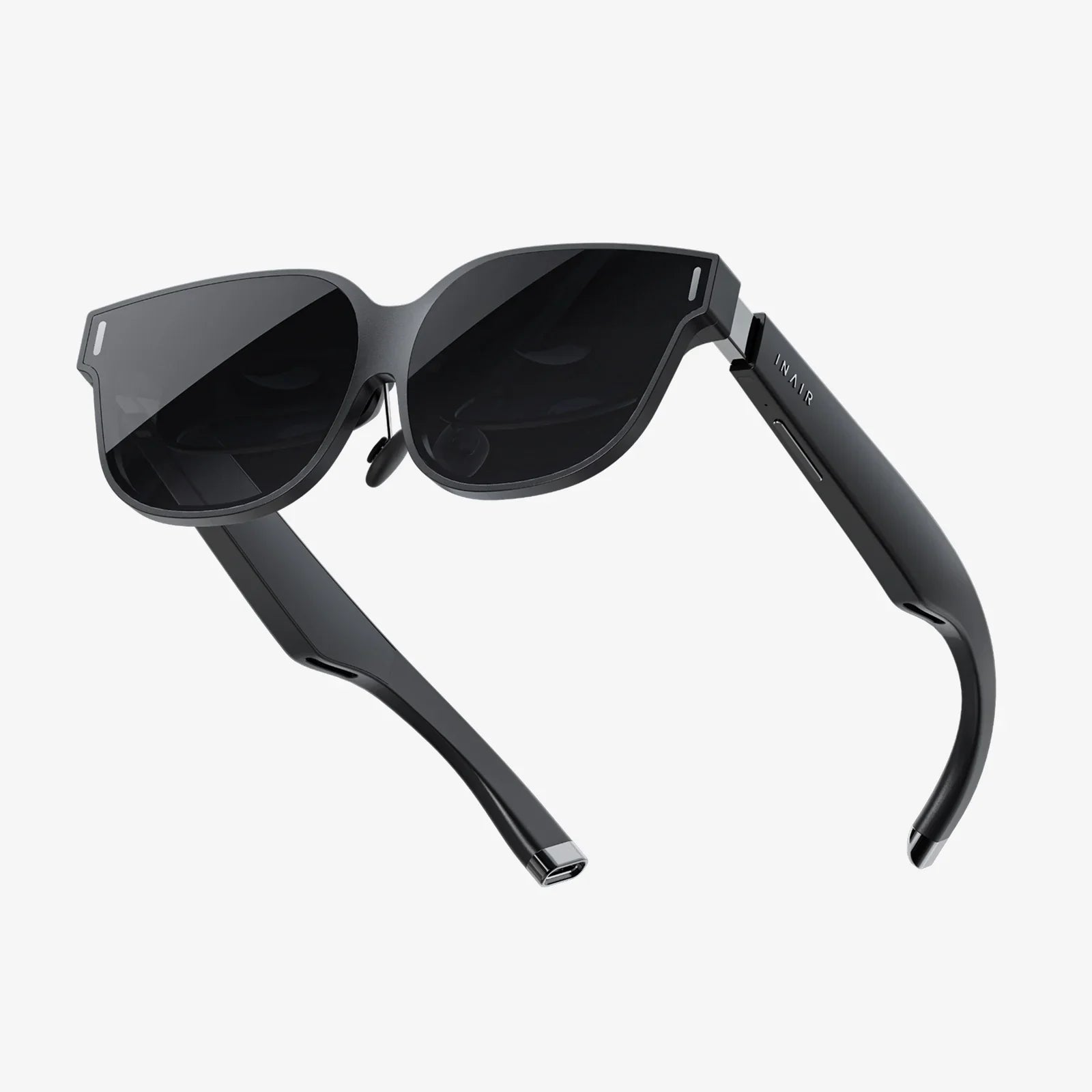
While consumer-facing applications capture headlines, the true depth of the South Korean AR market is revealed in its robust enterprise and industrial adoption. Here, AR is not for entertainment but is a powerful tool for efficiency, safety, and training. In manufacturing, complex assembly, maintenance, and repair procedures are being streamlined. Technicians wearing AR smart glasses can see digital work instructions and animated guides overlaid directly onto the physical machinery they are working on, freeing their hands and reducing errors. This allows less experienced workers to perform complex tasks with expert-level guidance, solving skills shortages and improving quality control. In architecture, engineering, and construction (AEC), AR enables architects and clients to walk through full-scale 3D holograms of building designs before a single brick is laid, facilitating better planning and communication. Logistics and warehouse management use AR to optimize picking and packing processes, visually guiding workers to items and displaying crucial information, dramatically speeding up operations. These B2B applications represent a massive and high-value segment of the market, demonstrating AR's role as a key pillar in the Fourth Industrial Revolution.
The educational sector in South Korea is leveraging AR to move beyond rote memorization towards immersive, experiential learning. Textbooks are being augmented with 3D models, bringing historical artifacts, biological processes, and complex mechanical diagrams to life. Students can dissect a virtual frog, explore the solar system in their classroom, or witness historical events unfold around them. This interactive form of learning boosts engagement and improves knowledge retention. In corporate and vocational training, AR creates safe, cost-effective simulations for high-risk or high-cost scenarios. Medical students can practice surgical procedures on virtual patients, mechanics can learn to repair engines without physical parts, and firefighters can train for dangerous situations in a controlled, digital environment. This hands-on, risk-free training methodology is revolutionizing skill development across numerous fields.
Despite its remarkable growth, the South Korean AR market must navigate several challenges to achieve its full potential. The development of comfortable, socially acceptable, and powerful wearable AR glasses remains the holy grail. Current technology often involves compromises on battery life, field of view, and design aesthetics, limiting all-day, mainstream adoption. Furthermore, the creation of a sustainable and scalable content ecosystem is crucial. High-quality AR experiences are expensive and time-consuming to produce, requiring specialized skills. There are also ongoing concerns around user privacy, data security, and the potential for digital addiction that must be addressed through thoughtful design and regulation. Looking ahead, the convergence of AR with other transformative technologies like artificial intelligence (AI) and the Internet of Things (IoT) will unlock new possibilities. AI will make AR interfaces more intuitive and context-aware, while IoT will allow AR to visualize and interact with data from millions of connected devices in the environment.
The story of the South Korea augmented reality market is a masterclass in synergistic growth, where government strategy, corporate innovation, cultural trends, and consumer adoption align to create a powerhouse of development. It’s a living laboratory demonstrating how a technology can simultaneously drive economic value in industry, transform beloved cultural exports, and reimagine everyday consumer experiences. As the hardware evolves and the digital and physical worlds continue their inexorable merge, South Korea’s early and comprehensive embrace of AR has positioned it not just as a participant, but as a leading architect of our digitally-augmented future. The line between what is real and what is rendered is blurring, and South Korea is holding the brush.
Share:
Augmented Reality Scientific Facts About How It's Reshaping Our World
VR Glasses 2025: The Year Reality Gets a Spectacular Upgrade