


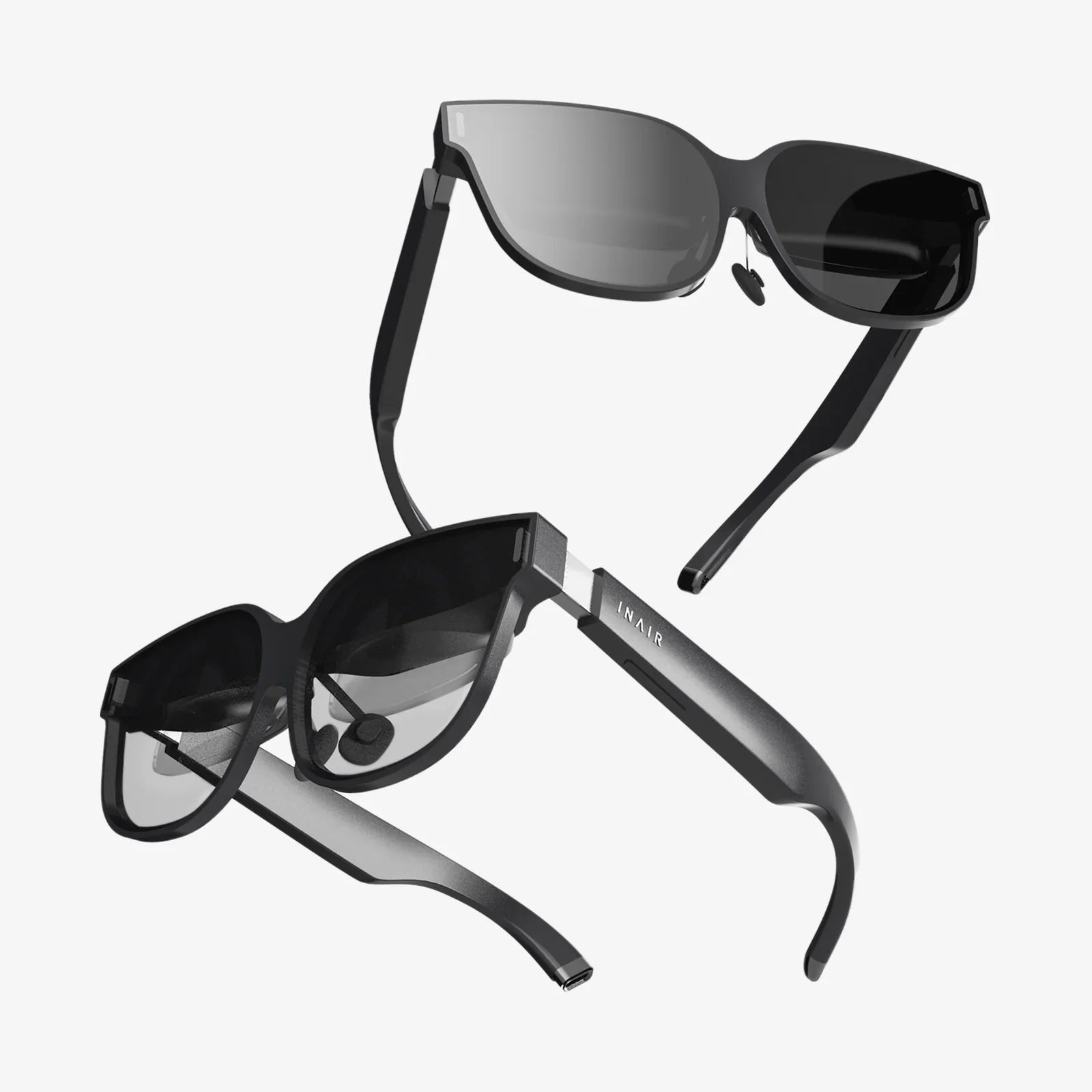
Imagine dialing into your next virtual meeting and being able to instantly recognize who is speaking, not by frantically scanning a grid of faces, but by the distinct location of their voice. The gentle hum of agreement comes from your left, a thoughtful question arises directly in front of you, and a colleague's chuckle drifts in from the right. This isn't a glimpse into a distant sci-fi future; it's the palpable, transformative reality offered by spatial audio meetings, a technological leap that is finally bridging the profound gap between physical presence and digital interaction.
For years, the standard for virtual meetings has been a flat, monaural audio experience. Every voice, regardless of the speaker, is compressed into a single, central point of origin, typically emanating from a single speaker or headset driver. This auditory flattening creates what is often called the "babble effect"—a cacophonous soup of sound where individuals lose their identity, forcing our brains into a cognitively draining game of auditory "Where's Waldo?" to identify the speaker. This fundamental limitation of traditional audio is a primary contributor to what we now universally recognize as Zoom fatigue. Our brains, evolutionarily wired to process sound in three dimensions, must work overtime to decipher a confusing signal, leading to mental exhaustion, reduced comprehension, and a diminished sense of genuine connection.
The Science of Sound: How Spatial Audio Recreates Reality
At its core, spatial audio is a sophisticated technology designed to trick the human brain into perceiving sound as originating from specific points in a three-dimensional space. It's an auditory illusion, but one so convincing it feels utterly real. This is achieved through a complex combination of advanced software algorithms and psychoacoustic principles that mimic how we naturally hear the world around us.
The magic lies in replicating three key cues our brains use to localize sound:
- Interaural Time Difference (ITD): This refers to the tiny difference in time it takes for a sound to reach one ear versus the other. A sound coming from your right will hit your right ear a fraction of a second before it reaches your left. Spatial audio algorithms precisely delay the sound to one ear to create this effect.
- Interaural Level Difference (ILD): Also known as the head shadow effect, this is the difference in sound intensity or volume between your two ears. Your head itself acts as a barrier, slightly muffling a sound coming from the left before it reaches your right ear. Spatial audio adjusts the amplitude and frequency response for each ear independently to simulate this natural dampening.
- Spectral Cues and the Pinna Effect: The unique shape of our outer ears (the pinnae) subtly alters the frequency profile of a sound before it enters the ear canal. These minute changes provide vital information about whether a sound is coming from above, below, in front, or behind us. Advanced spatial audio models incorporate Head-Related Transfer Functions (HRTFs)—acoustic filters that apply these spectral cues to digital audio, personalizing the experience to some degree.
In a meeting context, this technological symphony means each participant's voice can be assigned a unique virtual坐标 within a digital soundscape. When combined with a visual interface that places video feeds in corresponding positions, the effect is breathtakingly seamless. The audio and visual cues align, creating a powerful, cohesive sense of presence that flat audio simply cannot replicate.
Beyond Novelty: The Tangible Benefits for the Modern Workforce
The value of spatial audio meetings extends far beyond a simple "wow" factor. It delivers concrete, measurable advantages that directly address the pain points of modern remote and hybrid work.
1. Drastically Reduced Cognitive Load and Fatigue
By restoring natural auditory cues, spatial audio offloads a significant cognitive burden from the brain. Participants no longer need to expend mental energy constantly identifying speakers through visual scanning alone. This reduction in cognitive strain leads to meetings that feel less exhausting, allowing individuals to maintain focus and engagement for longer periods. Teams can conduct longer, more strategic sessions without the dreaded mental drain that typically follows a day of back-to-back video calls.
2. Enhanced Focus and Comprehension
Spatial audio creates a clearer auditory hierarchy. The primary speaker is distinct and easily discernible, while side conversations or background noises are perceptually pushed to the periphery, much like in a physical room. This reduces distractions and allows participants to focus more intently on the content of the discussion. Studies on auditory perception have long shown that spatial separation of sound sources improves speech intelligibility, leading to better understanding and retention of information.
3. Fostering Authentic Connection and Engagement
The flatness of traditional conference calls inherently feels transactional. Spatial audio reintroduces the nuance and humanity of conversation. The ability to hear a colleague's tone, location, and subtle vocal cues creates a more emotionally resonant experience. It facilitates more natural turn-taking in conversations, reduces the frequency of people talking over one another, and helps build a stronger sense of team cohesion. In a hybrid setting, remote participants feel less like disembodied voices on a speaker and more like true equals sitting around a table with their in-office colleagues.
4. Improved Meeting Efficiency and Flow
Meetings become more fluid and productive. With quicker and more intuitive speaker identification, the conversation flows more naturally. There's less need for verbal acknowledgments like "this is Sarah speaking," and fewer pauses caused by confusion over who is talking next. This streamlined communication translates directly into shorter, more effective meetings and faster decision-making.
Implementing Spatial Audio: Considerations for Adoption
While the benefits are clear, integrating spatial audio into an organization's workflow requires thoughtful consideration. The technology relies on a chain of quality components to function optimally.
Hardware Requirements: To experience true binaural spatial audio, participants must use stereo headphones or earbuds. High-quality microphones are also crucial, as they ensure a clean audio signal for the spatial processing algorithms to work with. Laptop speakers or single-point Bluetooth speakers cannot reproduce the stereo separation required for the effect.
Software Platform Support: The meeting platform itself must be built to support spatial audio. This involves more than just stereo sound; it requires the software to dynamically assign and manage the spatial location of each participant's audio stream and sync it with their video position on the screen. Organizations must choose platforms that have invested in this capability.
Bandwidth and Audio Quality: Spatial audio processing can sometimes require slightly more bandwidth than standard mono calls, as it may involve transmitting a higher-fidelity audio stream. However, the primary factor is the platform's efficient implementation. The greater focus should be on ensuring a stable, high-quality internet connection to avoid artifacts like jitter or packet loss, which can disrupt the immersive illusion.
Cultural Adoption and Training: As with any new technology, success depends on user adoption. Teams may need a brief orientation to understand the benefits and the simple hardware requirements (i.e., using headphones). The good news is that the experience is intuitively superior, often selling itself from the first moment it's tried.
The Future of Collaboration: Where Spatial Audio is Headed
The integration of spatial audio is not an endpoint but a foundational step toward the future of virtual collaboration. It is the critical auditory layer that will unite with other emerging technologies to create truly holistic digital experiences.
The most obvious and exciting evolution is the merger of spatial audio with virtual and augmented reality (VR/AR). In a VR meeting room, spatial audio is not just an enhancement; it is an absolute necessity for presence and believability. It will allow colleagues represented by avatars to naturally converse, whisper to the person next to them, or turn their head to address someone across the virtual room, with the sound behaving exactly as it would in real life.
Furthermore, we can expect advancements in personalized HRTFs. Future systems might use a photo of a user's ears or a quick calibration process to tailor the spatial audio experience to their unique physiology, making the sound localization even more precise and natural.
Finally, spatial audio will become a key differentiator in the burgeoning metaverse for business. Whether for virtual conferences, training simulations, or collaborative design reviews, the ability to navigate a digital space using intuitive auditory cues will be paramount for productivity and immersion.
The era of straining to hear and struggling to connect in virtual meetings is finally drawing to a close. Spatial audio is not merely a new feature to check on a product roadmap; it is a fundamental re-imagination of digital communication itself. By restoring the dimension of sound that we evolved with, this technology is doing more than just improving meeting efficiency—it's rebuilding the human connection that was lost in translation when our collaborations moved online, promising a future where distance is no longer a barrier to truly working together.
Share:
Windows Virtual Reality: A Deep Dive into the Immersive Frontier of Computing
Where Is Spatial Audio Available: A Guide to Immersive Sound Across Platforms