


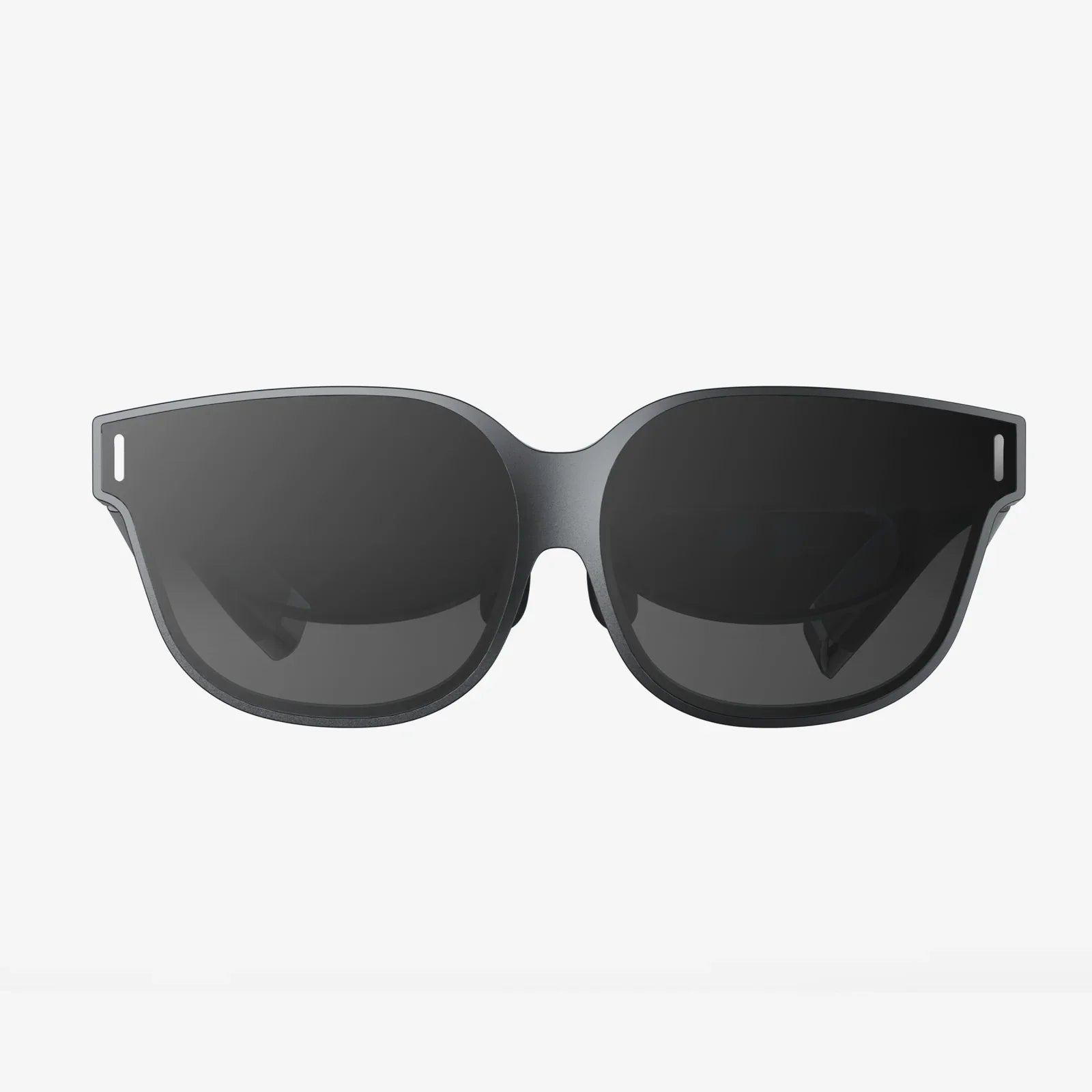
The digital landscape is on the cusp of its most profound transformation since the advent of the mobile internet. A new paradigm is emerging from the convergence of augmented reality, virtual reality, and the physical world, promising to dissolve the screen-based barrier between consumers and digital content. This isn't just another channel; it's a fundamental shift in how we perceive and interact with information. For marketers and brands, this represents an unprecedented opportunity to craft immersive, contextually relevant, and deeply memorable experiences that forge stronger emotional connections than ever before. The race to understand and harness this new medium is already underway, and the early movers are writing the playbook for the next decade of consumer engagement.
Demystifying the Jargon: What Exactly is Spatial Computing?
Before diving into the marketing implications, it's crucial to define the term. Spatial computing is an umbrella concept that refers to the digitization of activities of people, places, and things in a spatial context to enable and optimize actions and interactions. Think of it as the next evolution of computing: from the mainframe (one computer, many people) to the personal computer (one person, one computer) to the mobile phone (one person, one computer, always on) to spatial computing (one person, many context-aware computers seamlessly integrated into their environment).
It encompasses a spectrum of technologies:
- Augmented Reality (AR): Overlays digital information onto the user's view of the physical world through a device like a smartphone or transparent lens.
- Virtual Reality (VR): Immerses the user in a completely digital environment, typically through an opaque headset.
- Mixed Reality (MR): A blend of AR and VR where digital and physical objects co-exist and interact in real-time.
- Digital Twins: Virtual replicas of physical assets, processes, or systems used for simulation and analysis.
What makes spatial computing unique is its core functionality: understanding space. These systems use sensors, cameras, and algorithms to map and comprehend the geometry of a room, the surface of a table, or the shape of a product. This spatial awareness allows digital content to behave in physically believable ways—a virtual character can hide behind your real sofa, and a digital instruction manual can appear pinned to the actual machinery it references.
The Marketing Metamorphosis: From Interruption to Integration
Traditional marketing has often been interruptive. A pop-up ad, a commercial break, a banner—these are all distractions from a user's primary activity. Spatial computing marketing flips this model on its head. Instead of interrupting an experience, the marketing becomes the experience. It’s inherently integrated, contextual, and value-driven.
The most powerful marketing news in this domain centers on this shift. Brands are no longer just asking, "How do we get our ad in front of more eyes?" They are now asking, "How can we provide a useful, entertaining, or beautiful service that exists seamlessly within our customer's world?" This moves the brand role from advertiser to experience creator, utility provider, and storyteller. The key metrics evolve from clicks and impressions to engagement time, emotional resonance, and spatial recall.
Current Applications: The Vanguard of Immersive Campaigns
While the technology is still maturing, innovative brands are already deploying compelling spatial marketing strategies. The recent news cycle is filled with successful case studies that point toward a broader trend.
Virtual Try-On and Product Visualization
This is one of the most immediate and practical applications. Furniture retailers allow customers to project true-to-scale 3D models of sofas and tables into their living rooms to see how they fit and look. Cosmetic companies offer AR filters that let users "try on" different shades of lipstick or eyeshadow in real-time through their phone's camera. Automotive brands are creating immersive configurators where potential buyers can walk around, customize, and even "sit inside" a photorealistic model of a new car parked in their own driveway. This drastically reduces purchase uncertainty and decreases return rates, providing clear utility to the consumer.
Interactive Storytelling and Branded Worlds
Some brands are building entire virtual worlds for exploration. A sports brand might create a VR experience that lets users train alongside virtual athletes. A travel company can transport potential tourists to a digital twin of a resort or city landmark. These are not ads; they are memorable brand engagements that generate powerful emotional connections and word-of-mouth marketing. The news of these launches often becomes a story in itself, earning valuable media coverage.
Gamified Location-Based Experiences
Building on the success of games like Pokémon GO, brands are creating AR scavenger hunts and interactive games in specific physical locations. A consumer might be prompted to point their phone at a landmark to unlock a historical narrative sponsored by a museum or find virtual collectibles around a city to win discounts from a retail partner. This drives foot traffic, encourages exploration, and creates shareable social moments.
Enhanced Live Events and Performances
From concerts to sports games, spatial computing is enhancing live events. Attendees using AR glasses or their smartphones could see real-time stats floating over the field, access exclusive behind-the-scenes content by pointing their device at the stage, or even see digital fireworks explode over the stadium. This adds a rich layer of data and entertainment to the live experience, creating a deeper and more personalized connection for the fan.
Strategic Imperatives for Marketers: Building for the Spatial Web
Adopting a spatial computing strategy requires a new way of thinking. It's not merely about porting a 2D ad into a 3D space. Success hinges on a deep understanding of context, utility, and immersion.
- Context is King: The value of a spatial experience is directly tied to its context. An AR experience that helps someone assemble furniture is invaluable in their living room but useless on a bus. Marketing must be triggered by or responsive to the user's environment, location, and immediate needs.
- Utility Over Novelty: The initial "wow" factor of AR filters wears off quickly. Lasting impact comes from providing genuine utility. Does the experience solve a problem, save time, provide unique information, or deliver exceptional entertainment? If not, it will be dismissed as a gimmick.
- Design for the Physical World: User experience (UX) design must now consider physics, spatial audio, safety, and social etiquette. A digital object that appears in the middle of a sidewalk is not just poorly designed; it's dangerous. Experiences must be intuitive and respectful of the user's physical surroundings.
- Data and Measurement Reimagined: How do you measure success in an immersive environment? New metrics are needed: dwell time in an experience, interaction rates with 3D objects, physical movement patterns, and emotional response biometrics. The data collected will be incredibly rich but also raises significant privacy questions that must be addressed transparently.
Navigating the Challenges: Privacy, Accessibility, and the Digital Divide
The path to widespread adoption is not without its hurdles. The most pressing marketing news often revolves around these challenges.
Privacy and Data Security: Spatial computing devices, by their nature, are data collection powerhouses. They have the potential to continuously map and understand our homes, workplaces, and public spaces. The ethical collection, anonymization, and use of this incredibly sensitive spatial data is the single biggest challenge facing the industry. Marketers must advocate for and adhere to strict ethical guidelines, prioritizing user consent and transparency above all else.
Accessibility and Inclusivity: How do these experiences cater to users with different physical abilities? Not everyone can move around easily or use handheld controllers. Designing experiences that are accessible to all is a moral and commercial imperative to avoid creating an exclusive digital divide.
Technological Fragmentation: The market is currently fragmented between high-end headsets, more affordable mobile AR, and emerging smart glasses. Marketers must design experiences that can scale across different levels of device capability, ensuring a consistent brand message without excluding users on less advanced hardware.
The Future Horizon: Where Do We Go From Here?
The current applications are just the tip of the iceberg. As the technology evolves towards more comfortable, socially acceptable, and powerful wearable devices like advanced AR glasses, the marketing opportunities will explode.
We are moving towards a world of ambient computing, where digital information is constantly available and contextually relevant in our periphery, only coming to the forefront when we need it. Imagine walking down a street and seeing subtle digital signage for a café that knows your favorite coffee order, or looking at a complex piece of equipment and seeing maintenance instructions and historical data overlay perfectly onto its components.
This will give rise to new search paradigms—instead of typing keywords, we might just ask our glasses a question about what we're looking at. It will revolutionize social commerce, allowing us to see products our friends recommend layered over our environment. The very concept of a "website" may evolve into a "web space"—a persistent 3D location that users can visit and interact with.
The brands that will thrive in this new era are those that start experimenting today. They are the ones building internal expertise, partnering with tech pioneers, and adopting a mindset of agile experimentation. They understand that spatial computing is not a campaign tactic but a foundational shift in the relationship between humans, machines, and brands. The marketing news headlines of tomorrow will be written by those who dare to imagine, build, and ethically guide the future of this immersive world, creating value not just for their bottom line, but for the daily lives of their consumers.
The screen is fading, and the world itself is becoming the canvas. The most forward-thinking marketers are already picking up their brushes, ready to paint a new reality of connection, utility, and wonder that seamlessly blends the best of the digital and physical realms. The question is no longer if this future will arrive, but how quickly your brand can adapt to meet it—and how brilliantly you can design the experiences that will define it.
Share:
Do Smart Glasses Come in Prescription? The Ultimate Guide to Vision-Corrective Tech
Even Realities Smart Glasses Discount: A New Era of Accessible Augmented Reality