


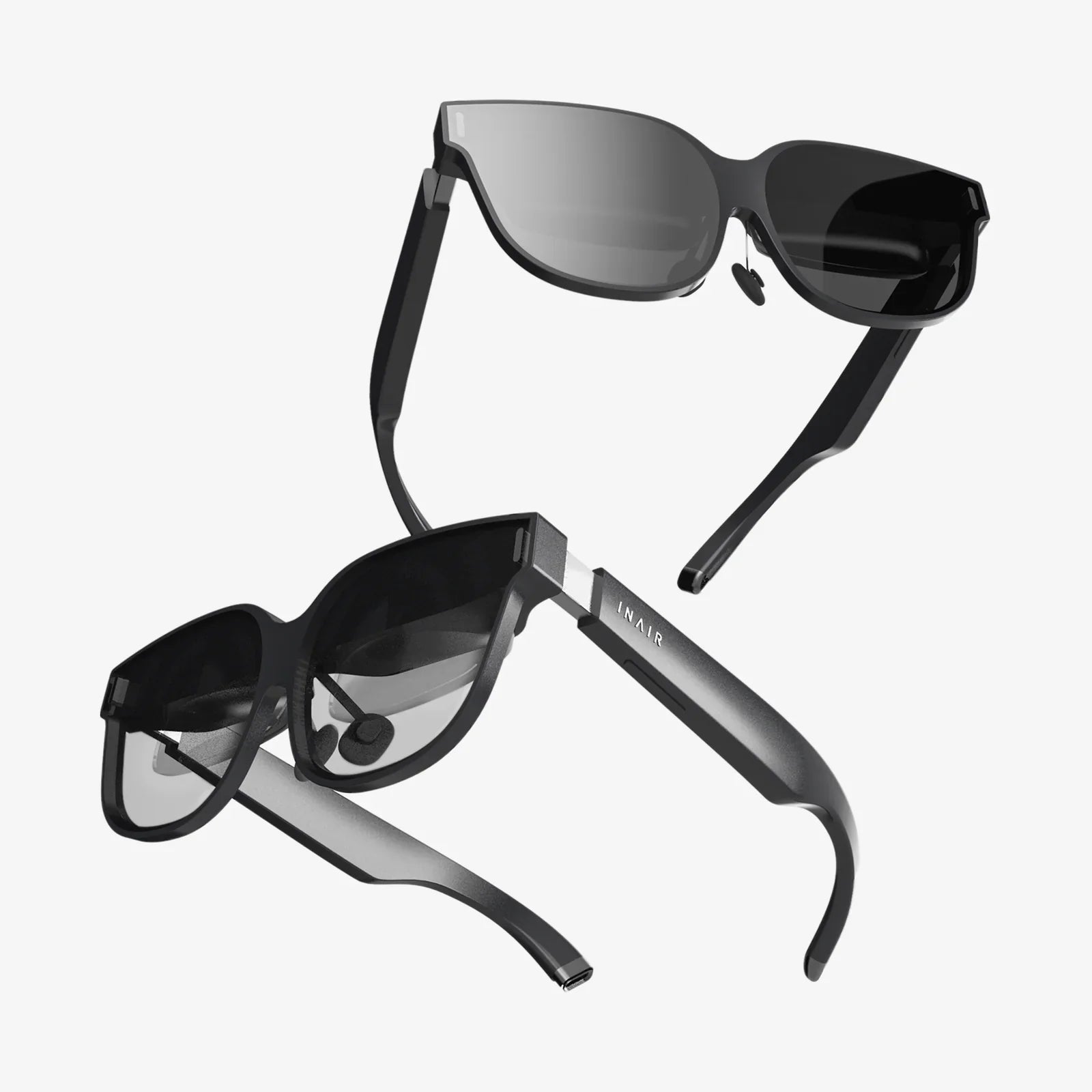
Imagine stepping into a new reality, a world limited only by the imagination, without a single wire tethering you to the physical realm. This is no longer the stuff of science fiction but the tangible promise held within the sleek, self-contained form of a standalone Android VR headset. This technological marvel represents the most significant democratization of virtual reality yet, moving the power of immersive computing from the domain of elite enthusiasts and into the hands of the everyday user. It’s a portal in a box, an all-in-one gateway to experiences that can educate, entertain, and expand our understanding of what’s possible.
The Architectural Brilliance of an All-in-One System
At its core, a standalone Android VR headset is a masterpiece of integrated engineering. Unlike its PC-dependent counterparts, it requires no external computer, no complex setup of external sensors, and no trailing cables that break immersion and pose a tripping hazard. The entire universe of virtual reality is generated, rendered, and displayed from within the device itself.
The brain of this operation is a powerful System-on-a-Chip (SoC), akin to those found in high-end mobile devices but often optimized for the intense graphical and processing demands of VR. This is paired with a high-resolution, high-refresh-rate display (or often dual displays, one for each eye) that sits mere centimeters from the user's face, requiring precise optics to ensure a clear, comfortable, and immersive picture free from the "screen door effect" of earlier generations.
Surrounding this core are a suite of sophisticated sensors—accelerometers, gyroscopes, and magnetometers—that work in concert for precise head-tracking. This is frequently augmented by outward-facing cameras. These cameras serve a dual purpose: they enable inside-out positional tracking, meaning the headset can map its environment in real-time without external beacons, and they can power advanced features like passthrough AR, allowing users to see their physical surroundings without removing the headset.
The Power of Android: An Ecosystem at Your Fingertips
The choice of the Android operating system is a strategic masterstroke that has propelled the adoption of standalone VR. By building upon the open-source Android platform, developers gain access to a mature, familiar, and incredibly robust software ecosystem.
This foundation provides the underlying architecture for the dedicated VR user interfaces that manufacturers layer on top. Users benefit from a recognizable environment where they can navigate virtual menus, access settings, and launch applications with intuitive motion-controlled gestures. The Android base also means seamless integration with essential services like user accounts, Wi-Fi connectivity, and app stores.
Most importantly, it grants developers a massive existing toolkit. The vast majority of mobile developers are already proficient in Android development, dramatically lowering the barrier to entry for creating VR content. This has led to an explosion of software available on dedicated VR application stores, offering everything from games and social experiences to educational tools and productivity apps, all optimized to run natively on the standalone hardware.
Liberation from the Cable: The Freedom of Untethered Movement
The single most transformative feature of a standalone Android VR headset is its complete wireless freedom. This is not merely a convenience; it is a fundamental shift in the quality and nature of the VR experience.
- Unrestricted Exploration: Users can physically walk around, crouch, kneel, and turn in any direction without ever worrying about tangling or yanking a cable. This allows for a much deeper physical connection to the virtual world.
- Reduced Setup Friction: The ease of use cannot be overstated. Putting on the headset and being in VR within seconds removes the significant barrier that a multi-step PC setup process presents to casual users.
- True Portability: The entire system is mobile. A standalone headset can be easily transported and used in any room with adequate space, or even shared with friends and family at gatherings, making VR a social, shareable technology rather than a solitary one confined to a home office.
This untethered nature makes VR accessible to a vastly wider audience, transforming it from a niche hobby into a mainstream consumer product.
A Universe of Experiences: Beyond Just Gaming
While gaming is a flagship application that drives much of the innovation in VR, the utility of a standalone Android headset extends far beyond. It is a versatile platform for a multitude of experiences.
Immersive Entertainment
Users can step into virtual movie theaters to watch 2D, 3D, and 360-degree films on a giant private screen. VR concerts allow fans to get front-row experiences from artists worldwide, and immersive documentaries can transport viewers to the depths of the ocean or the surface of Mars.
Social Connection and Collaboration
Social VR platforms have become vibrant metaverses where people meet, talk, play games, and attend events using personalized avatars. These spaces offer a profound sense of "co-presence," making digital interactions feel more human and meaningful than traditional video calls. Furthermore, businesses are adopting these headsets for virtual meetings and collaborative design sessions, viewing 3D models together in shared virtual spaces.
Education and Training
The potential for education is staggering. Students can take virtual field trips to historical sites, manipulate complex molecular structures in chemistry class, or travel inside the human body. For training, VR offers a safe, cost-effective environment to practice high-risk procedures, from medical surgeries to equipment operation, without any real-world consequences.
Health and Wellness
A growing library of applications is dedicated to mental and physical well-being. Users can meditate in serene, guided virtual environments, use rhythm games for a fun cardio workout, or undergo exposure therapy for conditions like anxiety in a controlled, safe setting.
Navigating the Current Challenges and Limitations
Despite their revolutionary nature, standalone Android VR headsets are not without their compromises, primarily a result of the trade-offs necessary for portability and affordability.
The most significant limitation is computational power. While mobile processors are incredibly advanced, they cannot yet match the raw graphical output of a high-end gaming PC. This means that visually complex, hyper-realistic experiences are often scaled back in terms of texture detail, polygon count, and advanced physics compared to their tethered counterparts. Developers must be experts at optimization to create compelling experiences within these constraints.
Battery life is another key consideration. Powering a high-resolution display, tracking sensors, and a powerful processor is energy-intensive. Most headsets offer between two to three hours of active use on a single charge, which is sufficient for most sessions but can interrupt longer experiences and requires planning for extended use.
Finally, there is the challenge of input. While hand-tracking technology is rapidly improving and becoming more standard, most systems still rely on separate motion controllers. These controllers need their own power source (batteries) and can sometimes suffer from tracking occlusion or latency issues if not perfectly designed. Ensuring intuitive, accurate, and fatigue-free interaction remains a key area of development.
Gazing into the Crystal Ball: The Future is Standalone and Bright
The trajectory for standalone Android VR is one of relentless improvement and integration. We are on the cusp of several breakthroughs that will further erase the lines between the virtual and the real.
The continued advancement of mobile SoCs, with dedicated AI cores and ray-tracing capabilities, will close the graphical fidelity gap with PC VR. Foveated rendering, a technique that uses eye-tracking to render only the user's focal point in full detail while subtly reducing the resolution in their peripheral vision, will dramatically improve performance and visual quality without increasing power consumption.
We will see the blending of Virtual and Augmented Reality into a single device. Advanced passthrough cameras will enable high-resolution, color-accurate views of the real world, allowing digital objects to be convincingly anchored in a user's physical space. This will unlock a new category of mixed reality applications for productivity, design, and entertainment.
Furthermore, the evolution of input will move beyond controllers. Sophisticated hand-tracking will allow us to manipulate the digital world with our bare hands, and eventually, neural interfaces could allow for control through thought alone, making the technology even more seamless and intuitive.
The standalone Android VR headset has successfully torn down the walls to entry, placing the keys to infinite worlds directly onto our faces. It has transformed a complex, expensive technology into an accessible, social, and profoundly personal portal. It is not the end of the road for high-end tethered systems, but it is undoubtedly the vehicle that will carry virtual reality into the mainstream, shaping how we work, play, learn, and connect for decades to come. The cord has been cut, and there's no going back.
Share:
How Do I Restart My VR Headset - The Ultimate Troubleshooting Guide
Can You Take a VR Headset on an Airplane? The Ultimate Traveler's Guide