


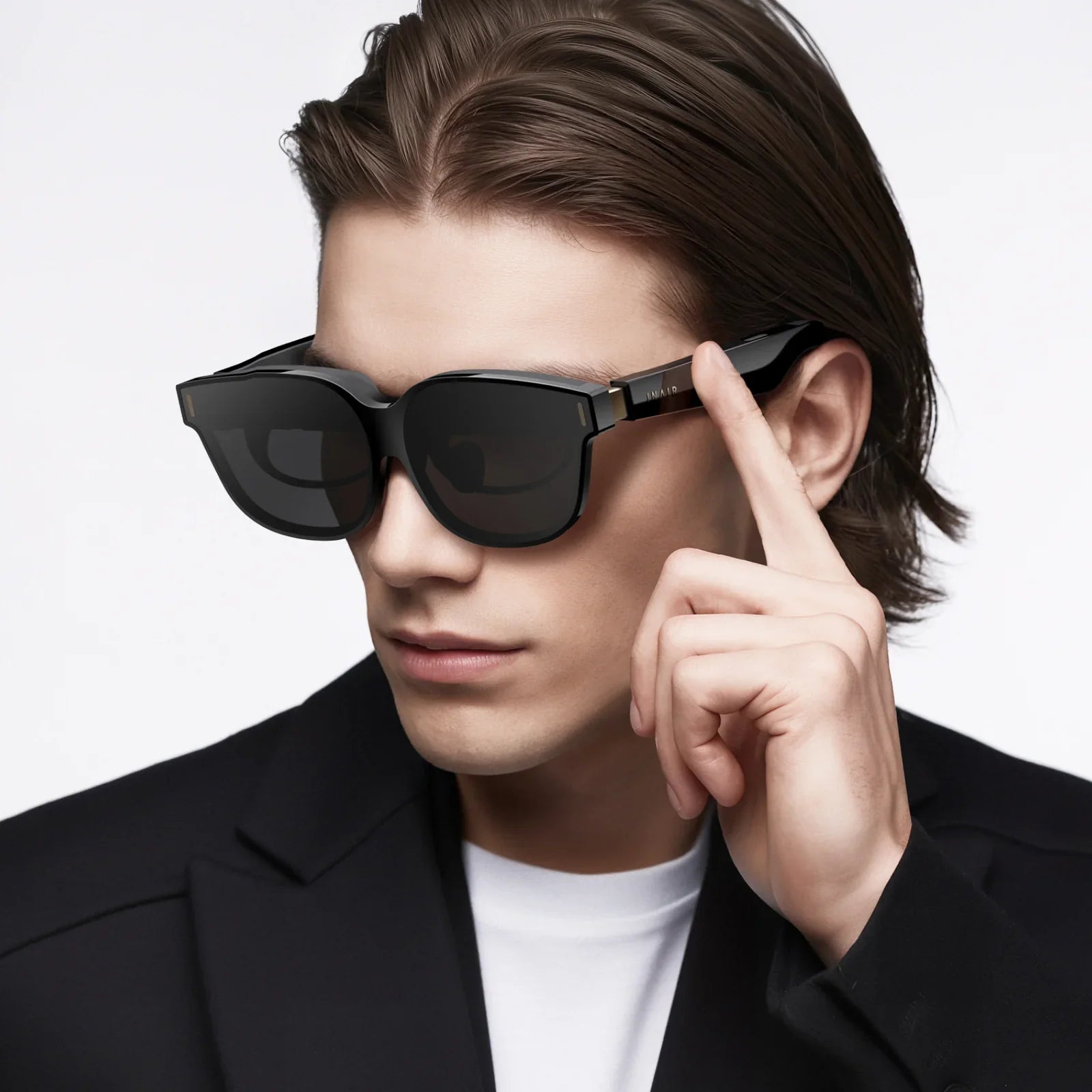
Imagine stepping into a virtual world so crisp, so responsive, and so utterly convincing that the boundaries between the digital and the physical begin to blur and then vanish entirely. This is no longer the stuff of science fiction; it is the tangible reality promised by the relentless pursuit of the strongest VR headset on the market. This title isn't bestowed lightly. It's a crown earned through a brutal combination of raw processing horsepower, stunning visual fidelity, and immersive engineering that, together, creates experiences that are not just played but lived. For enthusiasts, professionals, and pioneers, this represents the absolute zenith of consumer technology, a gateway to realities previously unimagined.
The Pillars of Power: What Makes a VR Headset "Strongest"?
The term "strongest" is often misconstrued as a single, dominant feature. In truth, it represents a symphony of technological excellence across several critical domains. A headset with the highest resolution display will fail if its processing can't keep up, just as flawless tracking is useless if the field of view feels like looking through a keyhole. True strength is a holistic measure.
Processing Prowess and Standalone Capability
The heart of any standalone VR system is its onboard processor. This silicon brain dictates everything from the complexity of the environments it can render to the sophistication of the artificial intelligence driving virtual characters. The strongest headsets feature cutting-edge chipsets designed explicitly for the immense demands of virtual reality. These are not mere mobile processors; they are often custom-fabricated systems-on-a-chip (SoCs) that integrate a powerful CPU, a high-performance GPU, and dedicated AI cores for tasks like hand-tracking and environmental understanding.
This internal power is what enables true freedom. Untethered from a computer, users can explore vast virtual spaces without the tripping hazard and constant awareness of a cable. This liberation is a cornerstone of immersion. The processing must be so efficient that it can deliver stunning graphics while managing a complex suite of sensors and maintaining a smooth, comfortable experience without overheating or draining the battery in minutes. It's a staggering technical ballet performed on a chip smaller than a postage stamp.
Visual Dominance: Resolution, Clarity, and Pancake Lenses
If processing is the brain, the display is the soul. The quest for visual perfection is driven by two key metrics: resolution and pixels per degree (PPD). While megapixel counts are impressive on paper, PPD is a more accurate measure of what the user actually perceives, accounting for the lens magnification and the screen's distance from the eye. The strongest headsets push PPD to new heights, effectively eliminating the "screen door effect"—that faint grid of lines between pixels that once reminded users they were looking at a screen.
But resolution is only part of the story. The optical stack is equally critical. The bulky Fresnel lenses of the past are giving way to sleek, compact pancake lenses. This revolutionary design uses polarization folding to drastically reduce the distance needed between the screen and the eye. This allows for a dramatically smaller and lighter headset form factor without compromising—and often enhancing—visual clarity, edge-to-edge sharpness, and overall comfort. This leap in optics is a defining feature of the modern high-end headset.
Precision Tracking: From Controllers to Bare Hands
Immersion shatters the moment the virtual representation of your hand stutters or flies away. Thus, the strength of a headset is deeply tied to the accuracy and reliability of its tracking systems. The era of external external base stations, while still offering elite performance for specific use cases, is being challenged by incredibly sophisticated inside-out tracking.
Modern headsets are equipped with a constellation of high-resolution cameras and sensors that constantly map the environment. They do more than just prevent you from walking into a wall; they enable inside-out tracking that precisely follows the headset's position in space and the movement of the controllers with millimetre accuracy. Furthermore, this sensor array powers advanced hand-tracking technology. The ability to drop your controllers and interact with the virtual world using nothing but your natural gestures is a profound leap in immersion. The strongest systems offer this feature with remarkably low latency and high fidelity, making it a viable input method for both gaming and productivity.
Comfort and Audio: The Unsung Heroes of Immersion
Raw power means nothing if the headset is a pain to wear. The strongest VR headsets understand that comfort is a feature, not an afterthought. This involves a meticulous balance of weight distribution, high-quality materials, and adjustable straps that accommodate long sessions without pressure points or fatigue. A lightweight design, enabled by advancements like pancake lenses, is a major advantage.
Similarly, immersive audio is non-negotiable. Spatial audio technology, often delivered through off-ear speakers or high-quality built-in headphones, creates a 360-degree soundscape. Hearing the faint rustle of leaves behind you or the precise direction of an opponent's footsteps is critical for presence. The best systems make you forget the sound is coming from the headset at all, tricking your brain into believing it's emanating from the world around you.
The Contenders: A Landscape of Power
The market for high-end VR is no longer a one-horse race. Several platforms now compete for the title of "strongest," each with a slightly different philosophy on what that power should achieve.
The All-in-One Powerhouse
This category represents the pinnacle of standalone engineering. These devices are fully self-contained, boasting the advanced processors, displays, and tracking systems described above. Their strength lies in their versatility and accessibility. They are wireless gaming consoles, social hubs, and productivity stations all rolled into one sleek device. They represent the most accessible path to a premium, untethered experience.
The PC-Connected Titan
For users who demand absolute maximum fidelity, the PC-connected headset remains the ultimate tool. These devices act as a high-resolution window into a powerhouse gaming computer. By offloading all processing to a PC containing a top-tier graphics card, these headsets can deliver visuals, texture details, and physics simulations that are currently impossible on standalone hardware. Their strength is borrowed, but the result is an unparalleled visual experience for simulation enthusiasts and hardcore gamers with the requisite high-end PC.
The Professional-Grade Instrument
Beyond entertainment, the strongest VR headsets are finding a home in enterprise and professional settings. With ultra-high-resolution displays perfect for CAD visualization, medical training, and architectural walkthroughs, and with features like eye-tracking for foveated rendering and advanced avatar creation for meetings, these devices are powerful professional tools. Their strength is measured not in frames per second alone, but in their ability to accelerate workflows, enhance training, and enable new forms of remote collaboration.
The Future of Strength: What's Next?
The evolution of VR power is accelerating. Several emerging technologies are poised to redefine what's possible. Micro-OLED displays promise even higher resolutions, perfect blacks, and incredible contrast ratios in a tiny form factor. Varifocal lenses, which can dynamically adjust their focus to match where your eyes are looking, could finally solve the vergence-accommodation conflict, a key source of eye strain and a barrier to full visual immersion.
Furthermore, the integration of full-body tracking and haptic feedback suits will move immersion beyond the head and hands, engaging the entire body in the virtual experience. Finally, the blending of VR and Augmented Reality (AR) through high-resolution colour passthrough cameras is creating a new category of mixed reality headsets. These devices don't just create new worlds; they powerfully augment our own, overlaying digital information and objects onto our physical space with stunning clarity.
The drive for the strongest VR headset is about more than just winning spec sheets. It is a relentless pursuit of presence—the holy grail of virtual reality where your conscious mind is fully convinced it is somewhere else. It’s about building a portal so convincing that the act of putting on the headset feels less like putting on a device and more like stepping through a doorway. Every increase in processing power, every new pixel, every refined algorithm of hand-tracking is another brick laid in the path toward that ultimate goal. This relentless innovation ensures that the title of "strongest" is always temporary, a crown that is constantly being fought for and won, pushing the entire industry and the very nature of digital experience forward into a breathtaking new era.
This isn't just about playing a game; it's about possessing the key to worlds of unimaginable depth and detail, and the next generation of hardware is already whispering promises of realities we have yet to dream.
Share:
Best VR Headset for Android: Your Ultimate Guide to Mobile Immersion
VR Goggles for iPhone: Unlocking a Pocket-Sized Universe of Immersive Experiences