


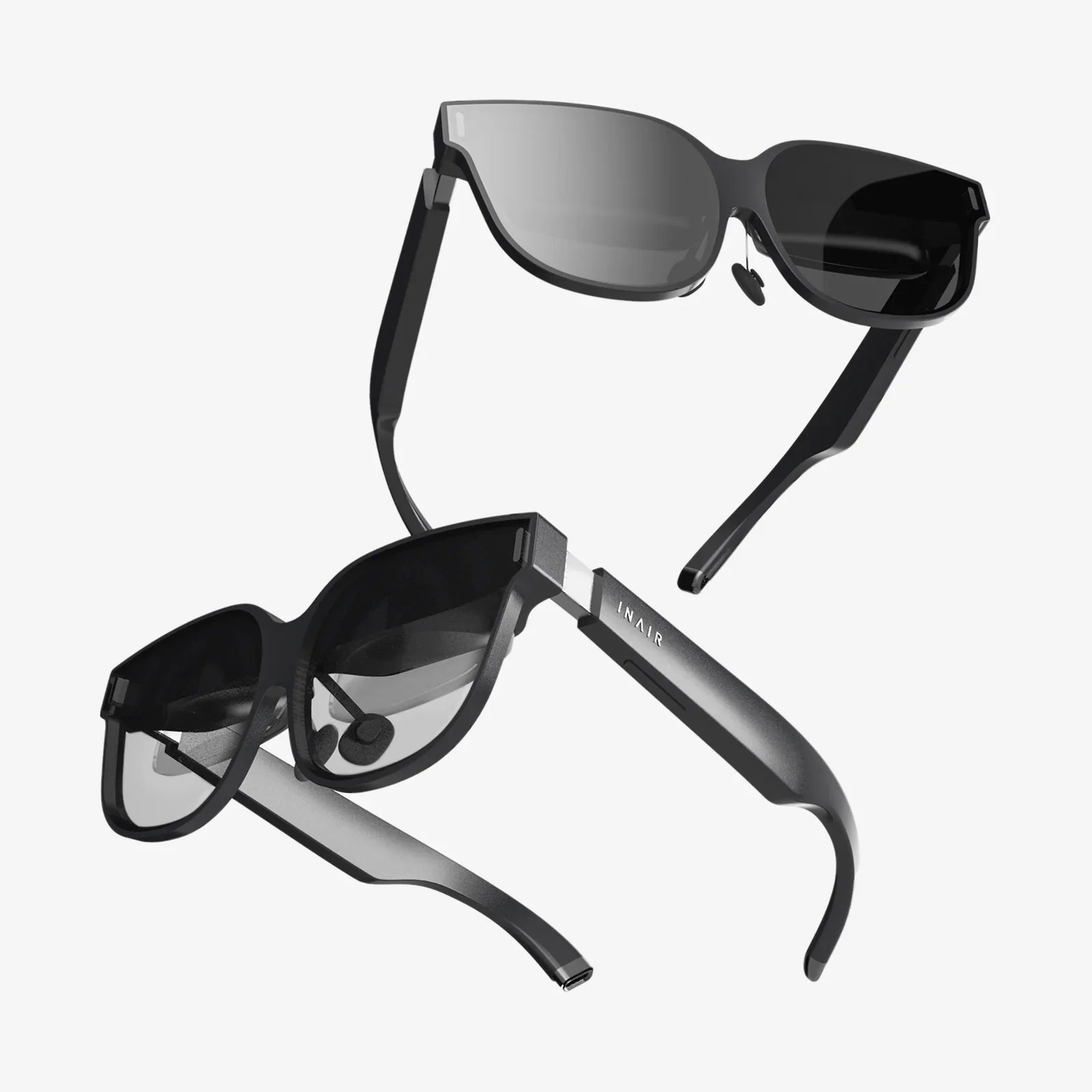
- by wangfred
Superfast WiFi Tethering for AR VR Headsets: Unleashing a Cordless Future
- by wangfred
Imagine stepping into a virtual world so vast and detailed it feels indistinguishable from reality, or overlaying digital information onto your physical environment without the nagging tug of a cable or the stutter of lag. This is no longer a distant sci-fi fantasy, but a tangible future being built today, and its foundation is the invisible, instantaneous flow of data enabled by superfast WiFi tethering for AR and VR headsets. The cord that has long been the chain tethering high-fidelity immersive experiences to powerful computers is finally being cut, and the implications are nothing short of revolutionary.
For years, the pursuit of truly immersive Augmented and Virtual Reality has been caught in a frustrating paradox. To deliver the rich, high-resolution graphics and complex, interactive environments that create a sense of "presence"—the feeling of actually being inside the digital world—headsets required immense processing power. This power typically resided in a nearby high-performance computer or a game console, necessitating a physical cable connection. This tether created a host of problems that fundamentally broke immersion.
Users were constantly aware of the cable's length, limiting their physical movement to a small, cautious radius. A quick turn to admire a virtual landscape or duck from an incoming projectile could result in a tangled mess or even a yanked connection. This spatial awareness of the real world is the antithesis of what AR and VR aim to achieve. Furthermore, the cable was a tripping hazard, a point of failure, and simply an ungainly piece of hardware that made these advanced technologies feel cumbersome and inaccessible. While standalone headsets emerged to solve the mobility issue, they historically sacrificed graphical fidelity and computational complexity due to the thermal and power constraints of mobile processors. The dream remained: high-fidelity, untethered freedom.
Wireless tethering is the process of creating a direct, high-speed wireless connection between a headset and a host device, such as a PC or a dedicated processing unit. Unlike streaming a movie to a phone, which can buffer ahead, AR and VR demand a constant, bidirectional, and ultra-low-latency data stream. Every subtle movement of the user's head must be tracked and sent to the computer, which then renders the corresponding new perspective and sends it back to the headset's displays—all in a matter of milliseconds. Any delay, known as latency, between the user's action and the visual update causes disorientation, motion sickness, and a complete breakdown of the immersive experience.
Early wireless solutions struggled with this immense technical challenge. Standard WiFi networks, designed for general internet browsing and video streaming, were not built for the consistent, high-bandwidth, low-latency demands of immersive computing. They operated in crowded frequency bands, were susceptible to interference from other devices, and simply couldn't provide the rock-solid connection required.
The term "superfast WiFi" in this context refers to a suite of advanced wireless technologies engineered specifically to meet the brutal demands of AR and VR. This isn't just about raw speed; it's about guaranteed performance.
The introduction of WiFi 6E was a watershed moment. Its most critical feature was access to the 6 GHz radio frequency band. This vast, uncrowded new highway provides significantly more channels and reduces interference from legacy devices that operate only on the older 2.4 GHz and 5 GHz bands. This means a cleaner, more stable connection dedicated to the headset.
Building on this, the emerging WiFi 7 standard (IEEE 802.11be) is set to be a complete game-changer. It introduces several revolutionary features:
Some solutions have taken a more bespoke approach, developing dedicated wireless protocols that operate in the 60 GHz millimeter-wave (mmWave) spectrum. This technology can achieve speeds comparable to wired connections with minuscule latency. However, its major limitation is its short range and inability to penetrate walls, requiring a clear line of sight between the transmitter and the headset. While incredibly powerful for a dedicated room-scale setup, it lacks the flexibility of whole-home WiFi-based solutions.
The ideal future likely involves a smart combination of these technologies, using a robust WiFi 6E/7 backbone for general mobility and a mmWave link for peak performance in a designated area.
The impact of reliable, superfast wireless tethering extends far beyond the living room. It is catalyzing innovation across numerous sectors.
For consumers, this is the key to unlocking the full potential of VR gaming and social experiences. Gamers are no longer confined to a swivel chair. They can physically dodge, duck, dip, dive, and dodge within a large play area, making gameplay more intuitive, active, and immersive. Imagine exploring a vast virtual dungeon, crawling through tunnels, climbing cliffs, and engaging in large-scale sword fights—all without a second thought about your cable. For social VR platforms, it enables natural, unencumbered movement and interaction, making virtual gatherings feel more authentic and lifelike.
The value for enterprise and industrial AR is arguably even greater. Architects and engineers can walk through full-scale, immersive 3D models of their designs, making real-time adjustments. Factory technicians can have intricate repair manuals and sensor data overlaid onto complex machinery they are maintaining, with their hands completely free to work. Surgeons could stream ultra-high-definition 3D imaging data from medical scanners directly into AR glasses during procedures. Superfast wireless tethering to a local server provides the computational muscle for these complex visualizations without compromising mobility or safety on the factory floor or in the operating theater.
This technology makes the concept of the "holodeck" or a persistent virtual office a tangible reality. Colleagues from across the globe could meet in a photorealistic virtual boardroom, interact with 3D data models together, and collaborate on designs as if they were in the same physical space. The freedom to walk around, gesture, and interact naturally, all powered by an invisible, lag-free connection, is crucial for making remote collaboration truly effective and replacing the need for physical travel.
While the progress is staggering, the journey is not over. Widespread adoption of WiFi 6E and 7 requires consumers to upgrade their home networking equipment, including their routers and compatible devices. Network setup and optimization will need to become more user-friendly to ensure consumers can achieve the perfect connection without a degree in network engineering.
Furthermore, as headsets push towards 8K resolution per eye, retina-level displays, and even higher refresh rates, the demand for bandwidth will continue to grow exponentially. The industry will need to continuously innovate, perhaps integrating technologies like AI-driven network management to dynamically allocate bandwidth and predict interference before it impacts the user experience.
The ultimate endgame is the convergence of high-speed tethering and standalone processing. We may see a future where headsets can seamlessly switch between a standalone mode for mobile applications and a superfast tethered mode to a local PC or cloud server for maximum fidelity, all without the user even noticing the handoff.
The silent, instantaneous hum of superfast WiFi tethering is the unsung hero poised to finally set AR and VR free. It is the critical bridge that connects the raw power of computing to the limitless potential of human movement and perception. By severing the last physical cord to the past, it doesn't just improve a product feature; it opens the door to entirely new realities, redefining how we work, play, and connect in an increasingly immersive world. The age of looking into digital worlds is over; the age of living in them has just begun.
Share:
What AR VR Headsets Could Look Like: A Glimpse Into the Future of Wearable Computing
What AR VR Headsets Could Look Like: A Glimpse Into the Future of Wearable Computing