


Imagine a world where your shirt can diagnose a heart arrhythmia before you feel a single symptom, where your glasses translate a foreign street sign in real-time, and where a subtle vibration on your wrist warns you of an oncoming anxiety attack. This is not the distant future of science fiction; it is the rapidly converging present, powered by the silent, data-driven revolution of tech wearables. These devices are no longer mere accessories; they are becoming intimate partners in our daily lives, augmenting our senses, safeguarding our health, and fundamentally reshaping our relationship with technology, our bodies, and the world around us. The journey from simple step counters to these sophisticated bio-hacking companions is one of the most fascinating and transformative narratives in modern technology.
The Evolution From Novelty to Necessity
The concept of wearable technology is far older than most realize. The humble wristwatch, invented centuries ago, was the original wearable—a piece of technology worn on the body to provide a crucial function: telling time. Eyeglasses, another ancient invention, augmented human vision. The modern era of tech wearables, however, began with a focus on quantification. The first wave was dominated by basic fitness trackers, clunky wristbands that primarily counted steps and estimated calorie burn. They introduced the masses to the concept of the "quantified self"—the idea that we can collect data about our own bodies and behaviors to gain insights and improve performance.
This initial phase was crucial. It created a market, established user habits, and, most importantly, normalized the act of being constantly sensed by a device. As sensor technology miniaturized and became more affordable, and as battery life improved, these devices evolved. They began incorporating optical heart rate monitors, accelerometers to track sleep patterns, and GPS modules to map runs and cycles. The smartphone acted as a powerful hub, providing the connectivity and processing power these early devices lacked. We swiftly moved from novelty gadgets to powerful tools that provided a 24/7 dashboard of our physical well-being.
Beyond the Wrist: The Expanding Universe of Form Factors
While the wrist remains the dominant location for wearables, innovation has exploded into a diverse ecosystem of form factors, each designed for a specific purpose and level of intimacy.
Smartwatches: The Command Center on Your Wrist
The modern smartwatch is the undisputed king of the wearables category. It has successfully consolidated numerous functions into a single, convenient device. It serves as a fitness coach, a sleep tracker, a notification center, a contactless payment terminal, and a music player. Its greatest strength is its versatility and constant presence, making it the primary interface for our digital-physical hybrid lives.
Hearables: Intelligence in Your Ears
What began as wireless headphones has rapidly evolved into a new class of device: hearables. These sophisticated earpieces now feature active noise cancellation, immersive audio, and, increasingly, integrated health sensors. Some can measure core body temperature, others track heart rate, and advanced prototypes are exploring the potential for hearing augmentation and real-time language translation. Their position in the ear canal offers a unique opportunity for bioacoustic monitoring, potentially detecting coughs, jaw clenching, or even signs of respiratory illness.
Smart Fabrics and Patches: The Invisible Revolution
Perhaps the most revolutionary frontier is the development of wearables that disappear into the background. Smart fabrics, or e-textiles, involve weaving conductive threads directly into clothing. This allows for a shirt to monitor breathing rate and posture, socks to analyze running gait, and yoga pants to correct your form. Meanwhile, disposable smart patches represent the ultimate in minimalist design. Adhered directly to the skin, these single-use devices can continuously monitor vital signs like temperature, glucose levels, or medication adherence for days or weeks at a time, transmitting data seamlessly to a paired app, all while being virtually unnoticeable.
Smart Glasses and AR: Overlaying the Digital on the Physical
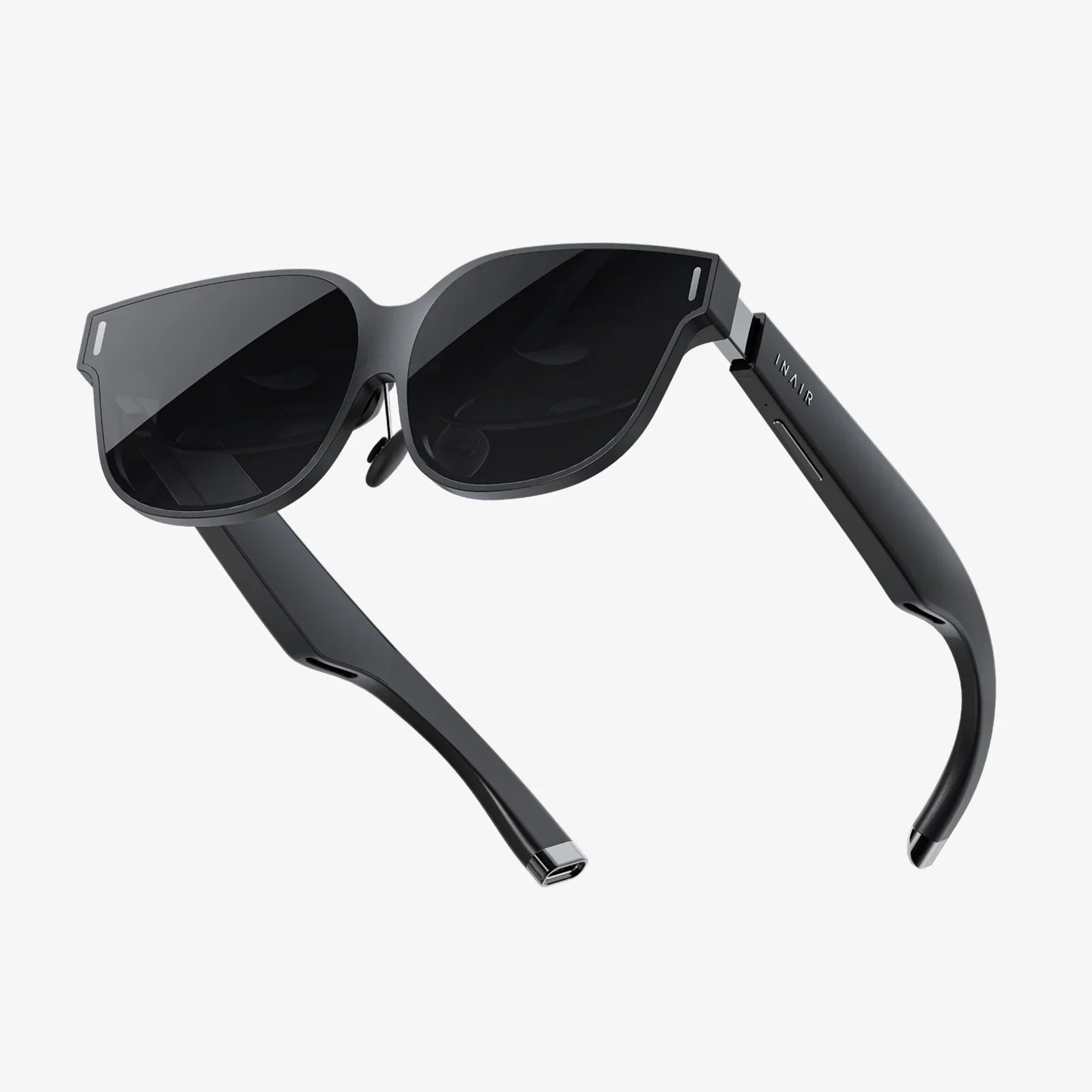
Smart glasses aim to project information directly into our field of vision, creating a seamless augmented reality (AR) experience. While consumer adoption has been slower, the enterprise and professional applications are vast. Surgeons can view patient vitals without looking away from the operating table, field engineers can see schematics overlaid on the machinery they are repairing, and warehouse workers can receive picking instructions hands-free. This form factor holds the promise of fundamentally changing how we interact with information, making it a contextual layer on top of our reality rather than something we must seek out on a separate screen.
The Profound Impact on Health and Wellness
The most significant and life-altering application of tech wearables lies in the domain of healthcare. We are witnessing a paradigm shift from reactive, episodic care to proactive, continuous health management.
Preventative and Predictive Health
By collecting vast amounts of longitudinal data—heart rate variability, sleep quality, activity levels, and more—wearables are creating unique baselines for individual health. Algorithms can then detect subtle deviations from these baselines. A resting heart rate that trends upward over several days might indicate the onset of an illness or excessive stress. Irregularities in sleep patterns could signal a neurological issue. This shift from diagnosing illness to predicting and preventing it is arguably the single greatest contribution of wearables to society, empowering individuals to take control of their health long before a visit to the doctor is necessary.
Remote Patient Monitoring and Chronic Disease Management
For patients with chronic conditions like hypertension, atrial fibrillation, or diabetes, wearables are revolutionary. Continuous glucose monitors (CGMs) have already transformed the lives of diabetics, freeing them from the pain and inconvenience of finger-prick tests and providing real-time alerts for dangerous highs and lows. Similarly, wearables with ECG capabilities can automatically detect AFib episodes, providing cardiologists with crucial data that would be impossible to capture during a brief clinical visit. This enables remote patient monitoring, allowing doctors to keep tabs on high-risk patients from afar, reducing hospital readmissions, and improving quality of life.
Mental Health and Mindfulness
The mind-body connection is a new frontier for wearable data. By correlating physiological signals like heart rate, skin temperature, and sleep data with self-reported mood states, apps can begin to identify personalized triggers for stress and anxiety. Wearables can then prompt users to engage in guided breathing exercises or mindfulness sessions when heightened stress is detected, creating a closed-loop system for mental well-being. This biofeedback mechanism provides a tangible, data-driven approach to managing mental health.
Enhancing Safety, Security, and Social Connection
The utility of wearables extends far beyond the clinic and the gym, embedding safety and connectivity into our everyday existence.
Many devices now feature fall detection algorithms, primarily marketed towards the elderly. If a hard fall is detected and the user is unresponsive, the device can automatically place a call to emergency services and share their location. Similarly, personal safety features allow a user to discreetly trigger an alert, sending their location to designated emergency contacts with a few taps or by pressing and holding a button. For adventurers, features like built-in GPS and backtracking can be lifesavers in remote wilderness areas.
On a social level, wearables create new forms of connection. Fitness challenges and activity sharing foster friendly competition and accountability among friends and family. The ability to send a heartbeat or a tap to a loved one wearing the same brand of device, while a simple gesture, represents a novel form of non-verbal, intimate communication mediated by technology.
The Double-Edged Sword: Data Privacy and Ethical Quandaries
This unprecedented data collection does not come without immense responsibility and significant risks. The very intimacy that makes wearables so powerful also makes them a potential Pandora's Box of privacy and ethical concerns.
The Treasure Trove of Biometric Data
The data collected by wearables is not akin to your search history or social media likes. It is biometric data—a deeply personal and unchangeable record of your body's functions. This information is incredibly valuable and, consequently, a prime target for malicious actors. A breach could reveal not just your fitness habits but potentially pre-existing medical conditions, sleep disorders, or stress patterns. The question of who owns this data—the user, the device manufacturer, the app developer, or the insurance company—remains murky and is often buried in lengthy terms of service agreements.
Insurance, Discrimination, and the Algorithmic Black Box
The potential for discrimination is a terrifying prospect. Could health or life insurance companies one day demand access to wearable data to adjust premiums? Would an individual with poor sleep scores or low activity levels be charged more? This creates a form of digital determinism, where your insurance costs are dictated by an algorithm analyzing your every move. Furthermore, the algorithms themselves that power these insights are often proprietary "black boxes." If a device incorrectly flags a healthy heart rhythm as AFib, causing undue stress and medical bills, who is liable? The lack of transparency and regulation in this space is a critical vulnerability.
Psychological and Societal Impacts
There is also a psychological cost to the quantified self. For some, constant monitoring can lead to obsession, anxiety, and a condition often called "orthosomnia"—an unhealthy preoccupation with achieving perfect sleep scores. It can create a new axis for social comparison and pressure, turning health into a competitive sport. Moreover, the constant notifications and alerts, while useful, can contribute to digital fatigue and a never-ending sense of being "on" and monitored, potentially undermining the very wellness these devices seek to promote.
The Future: Integration, Intelligence, and Invisibility
The trajectory of tech wearables points towards three key themes: deeper integration, greater intelligence, and ultimate invisibility.
Future devices will move beyond simply collecting data to providing truly contextual and actionable insights. This will be powered by advances in artificial intelligence and machine learning, enabling predictive analytics that are genuinely personalized. Your device won't just tell you you had a bad night's sleep; it will cross-reference your sleep data with your calendar, see a high-stress meeting scheduled for the morning, and suggest you reschedule it or prepare with a guided meditation.
The physical form will continue to evolve towards invisibility. We will see more epidermal electronics—ultra-thin, flexible sensors that stick to the skin like a temporary tattoo. Research into non-invasive biosensors that can measure a wider range of biomarkers, like cortisol (the stress hormone) or blood alcohol content, through the skin is advancing rapidly. The end goal is technology that fades into the background, providing its benefits without requiring conscious interaction or a conspicuous device.
Finally, the concept of a closed-loop system will become paramount. The wearable will not only diagnose a problem but also act to solve it. Imagine a wearable that detects a spike in stress hormones and responds by releasing a calming scent or administering micro-doses of a therapeutic agent. Or a device for diabetics that not only monitors glucose but also controls an insulin pump to automatically maintain perfect levels. This transformation from passive monitor to active guardian represents the ultimate promise of the technology.
The age of passive observation is over. Tech wearables are ushering in an era of active participation in our own biology and well-being. They offer a tantalizing glimpse of a future where disease is preempted, where our potential is unlocked, and where technology serves as a seamless, intuitive extension of our human intent. Yet, this powerful tool demands a equally powerful framework of ethics, security, and personal ownership. The choices we make today about data rights, algorithmic transparency, and equitable access will determine whether this technology becomes a force for universal empowerment or a new source of division. The data is being collected; the question is, how will we use it?
Share:
VR Desktop The Ultimate Guide to Your Virtual Computing Revolution
Buy Android Glasses: The Ultimate Guide to Smart Eyewear in 2024