


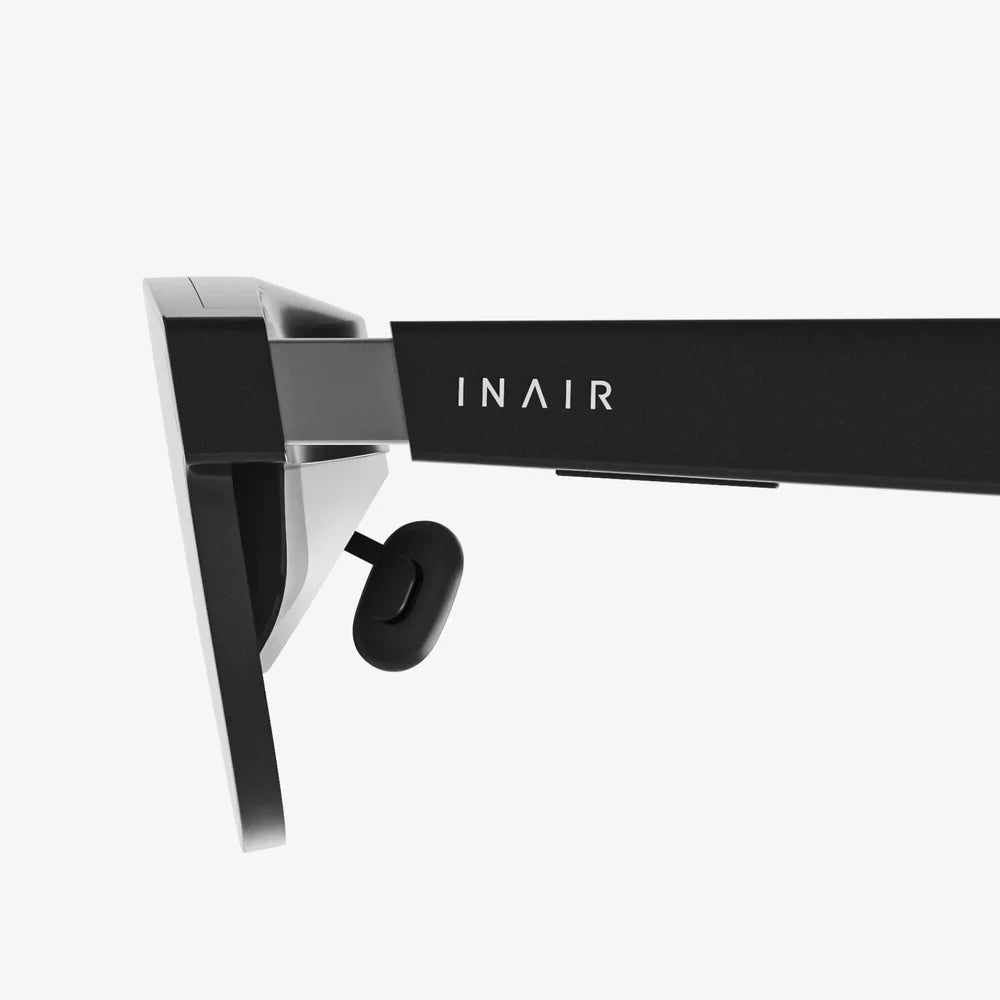
Imagine a world where a complex machine failure doesn't mean frantic phone calls, confusing paper manuals, or waiting days for a specialist to arrive. Instead, you simply don a pair of smart glasses or point your device's camera, and a digital expert materializes right before your eyes, overlaying precise instructions onto the very equipment you need to fix. This is no longer the stuff of science fiction; it is the rapidly evolving, profoundly impactful reality of technical support in an augmented reality. This technological convergence is not just an incremental improvement but a fundamental paradigm shift, poised to dismantle traditional support models and redefine our very conception of expertise and problem-solving.
The Limitations of the Past: A Foundation for Disruption
To fully appreciate the revolution brought by augmented reality, one must first understand the inherent limitations of the support systems it seeks to replace. For decades, technical support has been constrained by several critical barriers.
The Communication Chasm: The most significant hurdle has always been the gap in understanding between the expert and the user. A technician miles away must rely on a user's often-imprecise description of a problem: "It's making a weird noise," "A red light is flashing," or "It just won't turn on." This game of technological telephone is fraught with misunderstanding, leading to misdiagnosis, wasted time, and immense frustration for both parties.
The Static Nature of Knowledge: Traditional knowledge repositories—physical manuals, PDF guides, and even video tutorials—are passive and non-contextual. A user must constantly shift their attention between the static information source and the dynamic, physical world of the device. This cognitive load is high, increasing the likelihood of error, especially for complex procedures where a single misplaced step can have costly consequences.
The Scarcity of Expertise: Highly specialized technicians are a finite resource. Dispatching them for on-site visits is incredibly expensive and time-consuming, leading to significant operational downtime for businesses and long waits for consumers. This model is simply not scalable or sustainable for the increasingly complex and interconnected systems of the modern world.
These pain points created a fertile ground for disruption. The industry needed a solution that could bridge the communication gap, contextualize information dynamically, and democratize expert knowledge. Enter augmented reality.
How Augmented Reality Reimagines the Support Workflow
Augmented reality support functions by leveraging a device's camera and sensors to capture the real-world environment and then superimposing computer-generated information—text, images, 3D models, animations, and video feeds—onto the user's view. This seamless blend of the physical and digital creates a powerful new interface for assistance.
The Core Technological Stack
The magic of AR support is powered by a sophisticated stack of technologies working in concert:
- Computer Vision and Object Recognition: This is the brain of the operation. Algorithms analyze the camera feed to identify specific components, machines, or even individual parts using markers, QR codes, or, more advancedly, the object's natural features. This allows the system to understand precisely what it is looking at.
- Spatial Mapping and Tracking: The system maps the physical space and tracks the user's position and perspective within it. This ensures that digital annotations remain locked to their corresponding physical points even as the user moves around, a concept known as persistence.
- Cloud Computing and AI: The heavy processing of object recognition and the vast databases of diagnostic information and procedural guides are often hosted in the cloud. Artificial Intelligence and machine learning algorithms can analyze visual data to suggest diagnoses, predict failures by comparing against known issues, and continuously improve the knowledge base.
- Wearable and Handheld Devices: The interface for the user can range from smartphones and tablets to hands-free smart glasses. The choice of device depends on the use case—glasses offer unparalleled hands-free operation for complex tasks, while smartphones provide a low-barrier entry point.
The Transformative User Journey
For a user experiencing a problem, the journey is transformed:
- Initiation: Instead of calling a helpline, the user launches the AR support application on their device.
- Visual Diagnosis: The app guides the user to scan the equipment. Computer vision identifies the model and key components. In some systems, AI can immediately flag visible issues like a loose wire, a leak, or wear and tear.
- Immersive Guidance: Digital arrows point directly to the panel that needs to be removed. A 3D animation demonstrates the exact motion to unclip a component. A virtual torque wrench display shows the required force. A remote expert can even draw directly into the user's field of view, circling a specific bolt to be tightened.
- Verification and Documentation: The system can confirm that a step was completed correctly by visually verifying the new state. The entire session can be recorded for training, quality assurance, and warranty purposes.
Tangible Benefits Across the Spectrum
The implementation of AR-driven technical support yields profound benefits for every stakeholder involved.
For Field Technicians and Engineers
Technicians are empowered with encyclopedic knowledge and a collaborative tool. A junior technician can perform complex tasks typically reserved for senior staff with expert guidance overlaid onto their workspace. They can access the latest procedural updates instantly, rather than relying on potentially outdated manuals. This reduces training time, boosts first-time fix rates, and enhances job satisfaction by building confidence and competence.
For End-Users and Consumers
The experience is revolutionized from one of frustration to empowerment. Users can resolve issues themselves quickly and correctly, minimizing downtime. The intuitive, visual nature of AR instructions reduces anxiety and the fear of causing further damage. It fosters a deeper understanding of the products they own and use.
For Enterprises and Organizations
The business case is overwhelmingly positive. Companies see a dramatic reduction in operational costs: fewer dispatched trucks, less travel time, and lower fuel consumption. Mean Time To Repair (MTTR) is slashed, maximizing asset uptime and productivity. Customer satisfaction scores soar due to faster, more effective resolutions. Furthermore, the data collected from AR sessions becomes a valuable asset for identifying common failure points, improving product design, and creating more effective training programs for future technicians.
Navigating the Challenges and Future Horizons
Despite its promise, the widespread adoption of AR technical support faces hurdles. The initial development cost for robust AR content and platforms can be high. Connectivity remains a concern in remote industrial settings, though edge computing solutions are emerging to process data locally. User adoption requires a cultural shift and training, especially for a non-tech-savvy workforce. Concerns around data privacy and security, particularly with live video feeds, must be addressed with robust protocols.
However, the future trajectory is incredibly exciting. We are moving towards:
- The Metaverse of Maintenance: Persistent digital twins of physical equipment will be continuously updated with real-world data from AR sessions. A technician could see the entire service history and predicted future failures overlaid on a machine.
- Hyper-Contextual AI Guides: AI will evolve from a diagnostic assistant to a proactive expert. It will not only guide repairs but also explain the why behind each step, adapting its instructions in real-time based on the user's pace and skill level.
- Haptic Feedback Integration: Future AR wearables could incorporate haptic gloves, allowing a remote expert to literally guide a user's hands through a delicate procedure, feeling the resistance and ensuring perfect execution.
- Seamless Knowledge Capture: The line between receiving support and creating it will blur. An expert performing a novel repair will automatically generate an annotated AR guide for the next person, creating a self-building, ever-improving knowledge ecosystem.
The integration of augmented reality into technical support is more than a new tool; it is the dawn of a new literacy. It represents a shift from abstract, text-based knowledge to concrete, visual, and spatially-aware understanding. It breaks down the walls that have traditionally separated experts from users, knowledge from action, and diagnosis from resolution. We are stepping into an era where expertise is no longer a scarce commodity held by a few but a pervasive, on-demand resource, visually woven into the very fabric of our physical world. The ability to see solutions literally appear before our eyes is unlocking a new dimension of human potential, turning every complex problem into an opportunity for guided, collaborative, and triumphant resolution.
Share:
Smartglasses Price: A Comprehensive Guide to Cost, Value, and the Future
Virtual Reality PC: Your Ultimate Guide to Building and Experiencing Immersive Worlds