


- by wangfred
The Augmented Reality: A Comprehensive Guide to the Technology Reshaping Our World
- by wangfred
Imagine a world where information doesn’t just live on your screen but is painted onto the very fabric of your reality. Where historical figures guide you through ancient ruins, complex engine parts float in mid-air for a mechanic to examine, and a new piece of furniture materializes in your living room before you buy it. This is not a distant sci-fi fantasy; it is the burgeoning, transformative present and future promised by the augmented reality. This technology, which seamlessly blends digital content with our physical environment, is poised to become as fundamental to our daily lives as the smartphone, fundamentally altering how we work, learn, play, and connect.
At its core, the augmented reality is a technology that superimposes a computer-generated enhancement—be it an image, a 3D model, video, sound, or data—onto a user's view of the real world. Unlike its cousin, virtual reality, which aims to replace the real world with a simulated one, AR's power lies in its additive nature. It builds upon our existing reality, enriching it with a contextual and interactive digital layer. This is achieved through a sophisticated interplay of hardware and software. Cameras and sensors scan the environment to understand its geometry and surfaces. Powerful processors then interpret this data and align digital assets within the physical space with astonishing precision. Finally, a display mechanism—ranging from smartphone screens and tablets to specialized smart glasses and heads-up displays—presents the composite view to the user, creating the magical illusion of coexistence between the real and the virtual.
The conceptual seeds of the augmented reality were sown much earlier than most realize. In 1968, computer scientist Ivan Sutherland created the "Sword of Damocles," a head-mounted display system so cumbersome it had to be suspended from the ceiling. It displayed simple wireframe graphics, but it laid the foundational idea. The term "augmented reality" itself was coined in 1990 by Boeing researcher Tom Caudell. The 2000s saw continued research, often funded by the military for advanced heads-up displays in fighter jets. However, the true catalyst for AR's journey into the public consciousness was the widespread adoption of the smartphone. With their high-resolution cameras, powerful chips, and myriad of sensors, smartphones became the perfect AR delivery device for the masses. A pivotal moment arrived in 2016 with the launch of a global phenomenon mobile game, which demonstrated the viral potential of location-based, shared AR experiences, proving that the technology could capture the imagination of hundreds of millions overnight.
The magic of a seamless AR experience is powered by a complex technological symphony. It begins with Tracking. This involves understanding the device's position and orientation in space. Methods include:
Next comes Registration—the precise alignment of digital content within the real world. This ensures a virtual vase sits correctly on a real table and doesn't drift or jitter as you move. Finally, the technology requires robust Display systems. These range from the commonplace (smartphones using video-see-through) to the futuristic:
The potential of the augmented reality extends far beyond gaming and entertainment; it is a powerful tool driving efficiency, safety, and innovation across the global economy.
AR is dismantling the final barrier of online shopping: the inability to try before you buy. Apps now allow customers to virtually place life-sized 3D models of furniture in their homes, see how a new shade of paint would look on their walls, or "try on" watches, glasses, and makeup through their phone's camera. This not only enhances consumer confidence and reduces return rates but also creates a engaging, interactive shopping experience that bridges the gap between the digital and physical storefront.
This is where AR is delivering some of its most immediate and valuable ROI. Technicians wearing AR smart glasses can see digital schematics and repair instructions overlaid directly onto the machinery they are fixing, guiding them through complex procedures hands-free. Warehouse workers can have the most efficient picking routes and item information displayed in their line of sight, dramatically speeding up logistics. Designers and engineers can collaborate on full-scale 3D prototypes long before a physical model is ever built, identifying and solving problems early in the design process.
In medicine, AR is quite literally saving lives and improving outcomes. Surgeons can use AR overlays to visualize a patient's anatomy, such as the precise location of tumors or blood vessels, directly on the patient's body during an operation, increasing precision and safety. Medical students can practice procedures on detailed holographic patients, and AR can assist in providing real-time guidance for complex tasks like placing an IV or performing a diagnosis by overlaying ultrasound data onto the patient.
AR turns learning from a passive activity into an interactive exploration. Textbooks come alive with 3D models of the human heart or the solar system. History students can witness historical events unfold in their classroom, and chemistry students can combine virtual elements without any risk. This immersive, visual form of learning caters to different styles and dramatically improves information retention and engagement.
For all its promise, the path of the augmented reality is not without significant obstacles and profound ethical questions that society must grapple with.
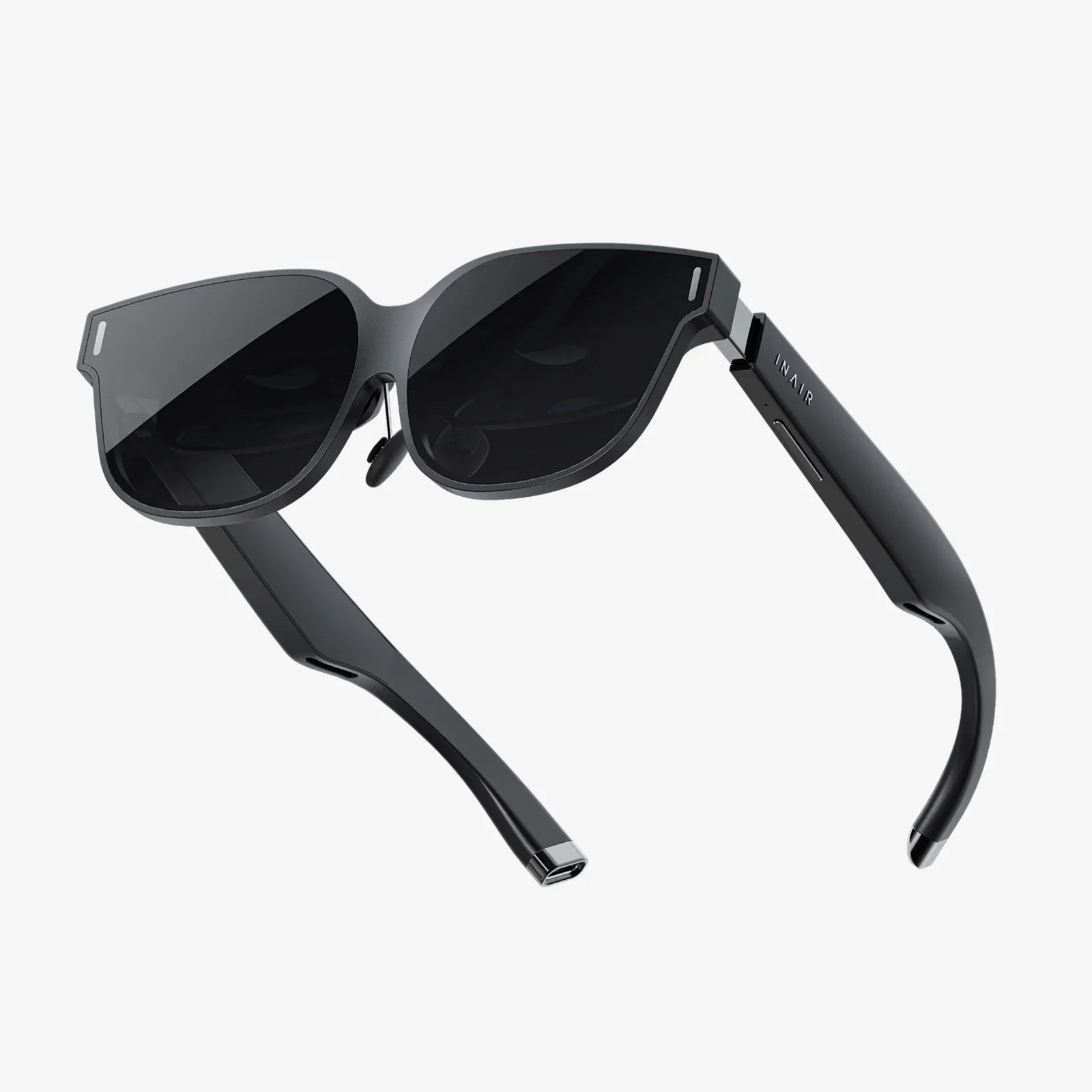
For AR to achieve its true potential, devices need to become smaller, lighter, more powerful, and crucially, more socially acceptable. The current generation of smart glasses often suffer from limited battery life, a restricted field of view, and a design that can be clunky or awkward. Furthermore, the concept of constantly recording the environment through a camera raises major privacy concerns. The idea of corporations or malicious actors having access to a live feed of our lives is a dystopian prospect that requires robust legal and technical safeguards.
As the digital and physical worlds merge, how do we define reality itself? AR could lead to a fragmentation of shared experience, where everyone sees a different version of the world filtered through their preferred apps and subscriptions. The battle for user attention will intensify, potentially creating new forms of digital advertising that are even more intrusive and inescapable. There is also a real risk of a "digital divide," where AR technology becomes a prerequisite for full participation in society, economy, and education, exacerbating existing inequalities if access is not democratized.
The ultimate evolution of the augmented reality is its disappearance. The goal is not to create a world where everyone wears obvious headsets, but to develop technology so seamless and integrated that it becomes an invisible interface to the digital world. We are moving towards lightweight, ordinary-looking glasses that can project rich, interactive holograms. The development of the "AR cloud"—a persistent, shared 3D map of the world—will allow digital content to be anchored to specific locations for anyone to see, creating a new layer of context and information over our entire planet. This spatial web will fundamentally change our relationship with computing, moving us away from devices we look down at and towards an environment where information is available exactly when and where we need it.
The line between what is real and what is digital is blurring irrevocably, and the augmented reality is the brush painting this new reality. It holds the key to unlocking unprecedented levels of human productivity, creativity, and understanding, yet it simultaneously demands a thoughtful and deliberate conversation about the world we want to build. This is not merely about new gadgets; it is about constructing a new layer of human experience, and the choices we make today will echo through the reality of tomorrow. The future is not just something we enter; it is something we actively, and now physically, create.