


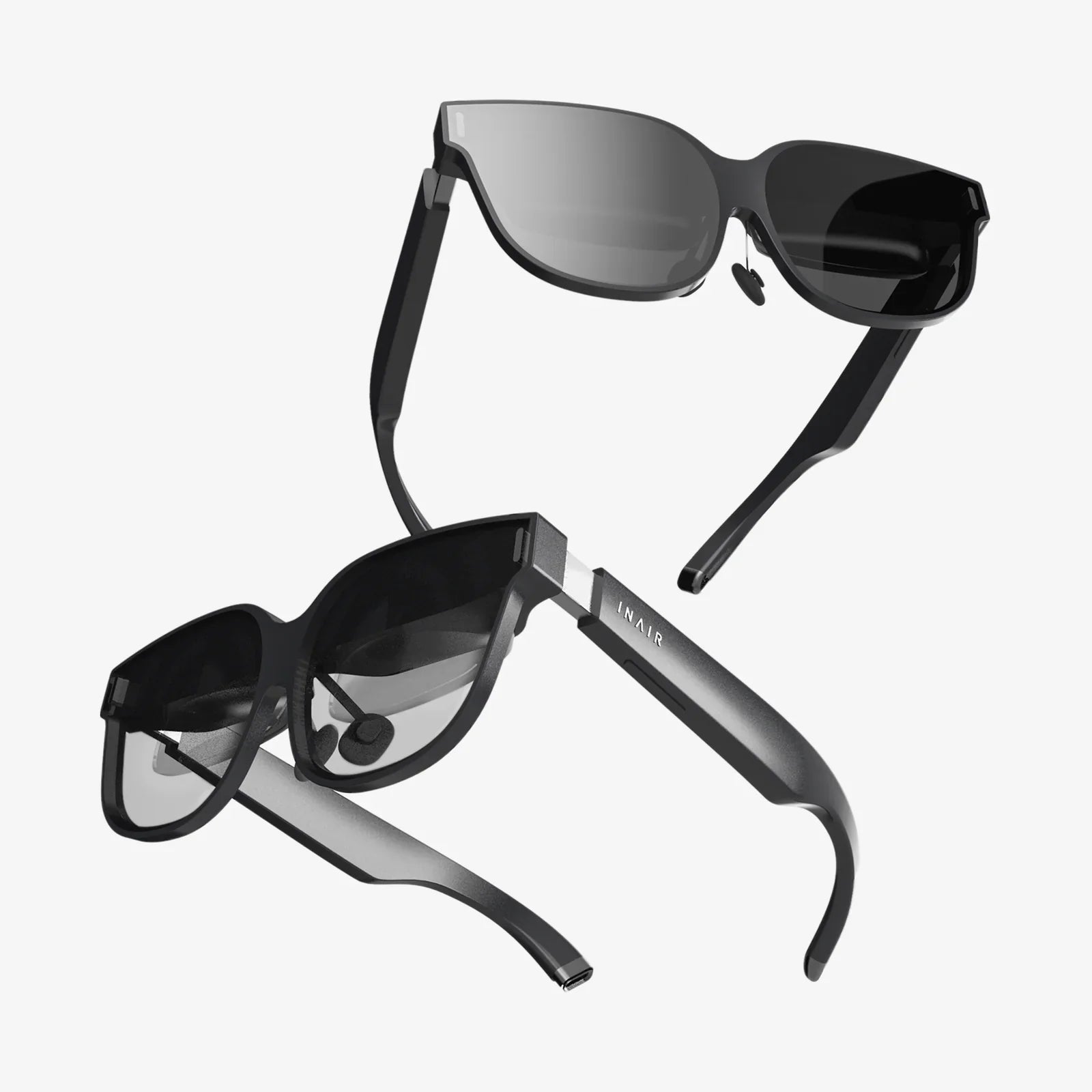
Imagine a device so advanced it dissolves the very barrier between the digital and the physical, a portal to worlds of limitless possibility resting comfortably on your head. The quest for the best VR headset in the world is not about finding a single product; it's a journey to discover the pinnacle of immersive technology, a gateway to experiences that redefine reality itself. This pursuit is driven by a desire for perfection—crystal-clear visuals, intuitive interaction, and absolute comfort that makes you forget you're wearing a headset at all. But in a rapidly evolving market, how does one even begin to define what makes one headset stand above all others? The answer lies not in a name, but in a combination of groundbreaking engineering, user-centric design, and the sheer magic of presence.
Defining "The Best": Beyond Hype and Spec Sheets
The title of "the best" is not bestowed lightly. It is a crown earned by a device that excels across multiple, often competing, dimensions. It is a subjective title, heavily influenced by the individual's needs, budget, and desired experiences. For some, "the best" means the highest resolution display for unparalleled visual fidelity. For others, it means untethered freedom for unrestricted movement. For many, it's a delicate balance of performance, comfort, content library, and accessibility. Therefore, the best VR headset in the world for a hardcore simulation enthusiast might be different from the best headset for a casual social user or a professional architect. Our definition of the best is a device that represents the current apex of what is technologically possible while delivering a consistently breathtaking and seamless user experience.
The Pillars of VR Excellence: What Truly Matters
To identify a truly world-class headset, we must break down the experience into its core components. Each pillar is crucial, and a weakness in one can undermine strengths in others.
Visual Fidelity: The Window to Another World
The quality of the display is arguably the most immediate and impactful aspect of any headset. This isn't just about raw resolution; it's a symphony of several factors working in concert.
- Resolution and Pixels-Per-Degree (PPD): A high resolution is essential to combat the "screen door effect"—the visible grid between pixels that can shatter immersion. The best headsets boast resolutions so high that this grid becomes imperceptible, creating a smooth, continuous image. PPD is a more accurate metric, measuring how many pixels are packed into each degree of your field of view.
- Lens Technology: The lenses are responsible for focusing the image from the screens onto your eyes. Fresnel lenses have been common but often introduce artifacts like god rays and glare. The most advanced headsets now utilize pancake lenses or aspherical elements, which are thinner, lighter, and provide a significantly clearer, more uniform picture with a much larger "sweet spot"—the area where the image is perfectly in focus.
- Field of View (FoV): A wide field of view is critical for immersion. A narrow FoV feels like looking through binoculars, while a wide FoV, ideally above 110 degrees, begins to fill your peripheral vision, making the virtual world feel vast and all-encompassing.
- Refresh Rate: Measured in Hertz (Hz), a higher refresh rate (90Hz, 120Hz, and now even 144Hz) results in smoother motion, drastically reducing latency and the potential for motion sickness. It makes fast-paced action feel fluid and real.
Tracking and Controllers: Your Hands in the Virtual Space
Precise tracking is the foundation of interaction. It translates your real-world movements into the digital realm with flawless accuracy.
- Inside-Out vs. External Tracking: Modern high-end headsets predominantly use inside-out tracking, where cameras on the headset itself map the room and track the controllers. This eliminates the need for external base stations, making setup easier and allowing for portable use. The best implementations are so precise they rival older external tracking systems.
- Controller Design and Haptics: The controllers are your hands. They must be ergonomic, well-balanced, and responsive. Advanced haptic feedback goes beyond simple vibration, offering nuanced sensations like the gentle pull of a bowstring, the patter of rain, or the thump of a virtual object. Finger tracking, which allows the headset to detect individual finger movements, adds a profound layer of expressiveness and natural interaction.
Comfort and Design: Forgetting You're Wearing It
A headset can have the best specs on paper, but if it's uncomfortable, it fails. Long sessions require thoughtful design.
- Weight Distribution: The best headsets counterbalance the weight, often by placing the battery at the back of the strap. This prevents pressure on the cheeks and bridge of the nose.
- Strapping Systems: A simple elastic strap is insufficient. Elite designs feature rigid, halo-style straps or sophisticated cloth-and-plastic hybrids that cradle the head securely without overtightening.
- Materials and Ventilation: Plush, breathable facial interfaces (often made of materials like faux leather or high-quality foam) are essential for hygiene and comfort, preventing heat buildup and fogging during intense gameplay.
Audio: The Unseen World Builder
3D spatial audio is half of the immersion. Hearing a sound and knowing instinctively where it's coming from—above, behind, or to the side—is a transformative feature. The finest headsets integrate high-quality, off-ear or on-ear speakers that deliver rich, directional sound without isolating you from your real-world environment, a crucial feature for safety and awareness.
Performance and Ecosystem: The Brain and the Playground
The hardware is nothing without the software to power it.
- Processing Power: Standalone headsets contain a mobile processor that must render two high-resolution displays at a high frame rate. The most powerful chipsets deliver stunning, console-quality graphics without any external computer. PC-connected headsets, however, can leverage the immense power of a high-end gaming rig for the absolute pinnacle of visual realism.
- Content Library: A vast, diverse, and high-quality library of games, applications, and social experiences is what gives the hardware its purpose. The best ecosystems offer everything from AAA titles and creative tools to fitness apps and social hubs.
The Form Factor Debate: Standalone, PCVR, and Tethered
A key consideration in the search for the best is the form factor. There are three primary categories, each with its own champion.
The All-in-One Champion: Unparalleled Freedom
This category represents the future of accessibility. A completely self-contained system, with no wires and no external PC required, offers incredible freedom. You can use it in any room with enough space, take it to a friend's house, or even on a trip. The best standalone headsets deliver a remarkably high-fidelity experience that was unthinkable just a few years ago, making high-end VR available to everyone without a complex setup.
The Powerhouse Performer: The PC-Connected Behemoth
For the user who demands the absolute maximum in graphical fidelity, a headset tethered to a powerful gaming PC is still the king. By offloading all processing to a dedicated GPU, these headsets can push resolutions, textures, and effects far beyond what any mobile chip can currently achieve. They are the choice for simulation fanatics, hardcore gamers, and professionals who need the highest detail for design and visualization.
The Hybrid Contender: The Best of Both Worlds?
The most compelling argument for the title of "best in the world" often comes from hybrid devices. These are primarily standalone headsets that can also connect to a gaming PC via a single USB-C cable or wirelessly. This offers the ultimate flexibility: enjoy the convenience and freedom of a wireless device for most experiences, but plug in when you want to access the immense library and power of PC virtual reality. This versatility is a huge mark in any headset's favor.
The Intangible X-Factor: The Magic of "Presence"
Beyond the spec sheets and feature lists lies the true goal of virtual reality: achieving "presence." This is the elusive, magical feeling where your brain is tricked into believing you are actually in the virtual environment. It's a physiological and psychological response that is the culmination of every technical aspect working in perfect harmony. It happens when the tracking is so precise there is no perceived latency, when the visuals are so clear and the FoV so wide that you don't feel confined, when the audio perfectly sells the illusion of space, and when the interactions feel completely natural. The best VR headset in the world is the one that consistently and reliably delivers this feeling of presence, making the technology itself disappear and leaving only the experience.
So, where does this leave us in our search? The crown for the best VR headset in the world is not held by one device alone, but is shared by those that push the boundaries of their respective categories. It belongs to the standalone marvel that offers stunning visuals and complete wireless freedom, making high-end immersion accessible to all. It is worn by the powerful PC-driven headset that delivers breathtaking, hyper-realistic experiences for those with the hardware to support it. And it is most proudly worn by the versatile hybrid that masterfully bridges both worlds, offering unparalleled choice. The true best headset is the one that most perfectly aligns with your dreams of virtual exploration, waiting to transport you from your living room to the very edges of imagination.
Share:
Projector Glasses: The Ultimate Guide to Wearable Display Technology
Most Comfortable VR Headset - The Ultimate Guide to Ergonomic Immersion