


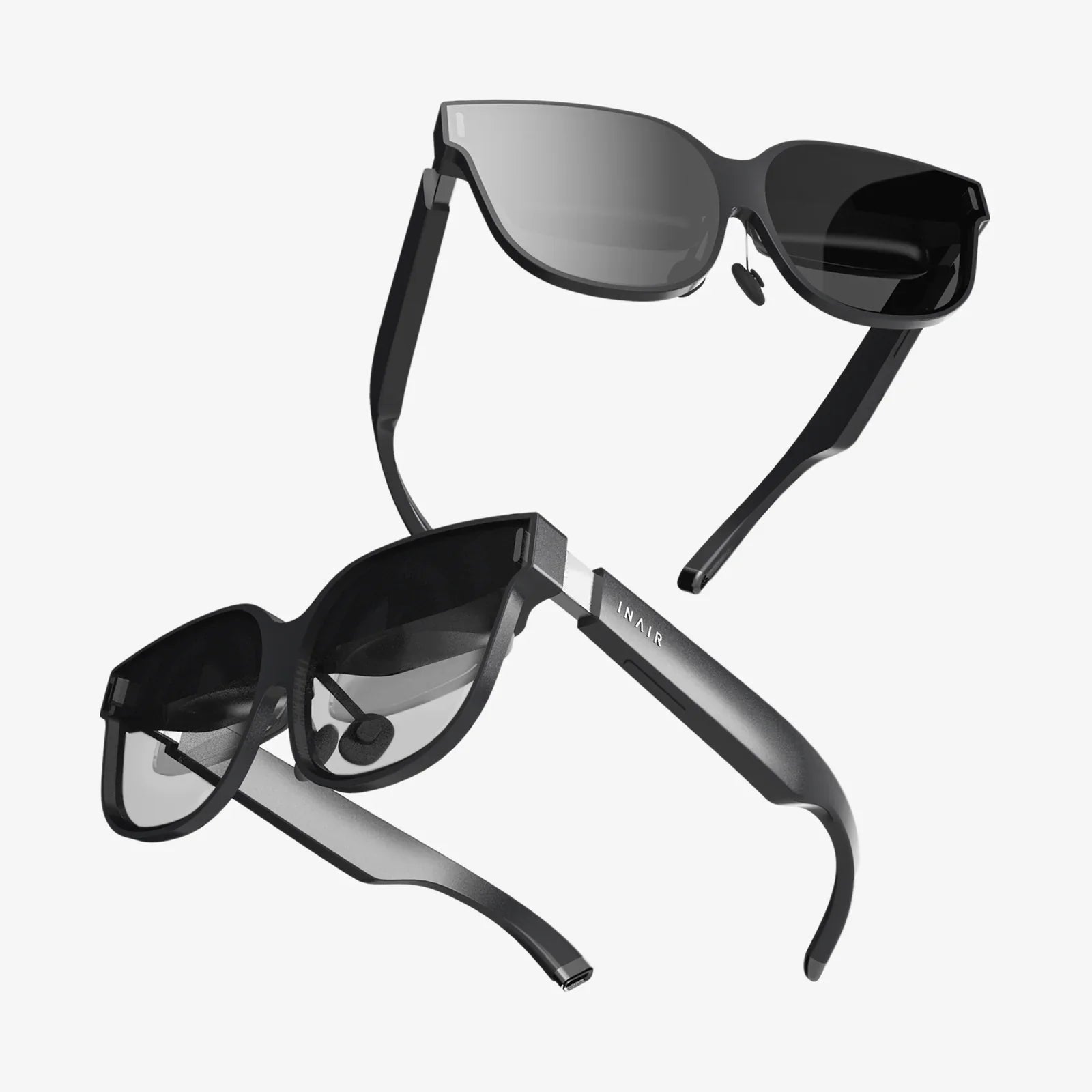
Imagine a world where the constraints of physical distance, cost, and even the laws of physics no longer bind human experience. A world where a medical student in a remote village can perform a complex surgical procedure, an architect can walk through a building that hasn’t been constructed, and a historian can stand in the midst of ancient Rome. This is not a distant science fiction fantasy; it is the burgeoning, tangible potential of virtual reality, a technology poised to redefine the very fabric of our reality.
Beyond the Headset: Defining the VR Landscape
To understand its potential, one must first look beyond the common perception of virtual reality as merely a high-tech gaming peripheral. At its core, VR is a simulated digital environment that creates a profound sense of presence—the convincing feeling of being in another place. This is achieved through a combination of head-mounted displays, motion tracking, and immersive audio, effectively hijacking the human sensory system to accept a digital world as real. The spectrum of VR experiences ranges from fully immersive, computer-generated worlds to augmented reality (AR) and mixed reality (MR), which overlay digital information onto the physical environment. It is this ability to generate presence that unlocks its unprecedented potential across every major industry and aspect of human life.
Revolutionizing Medicine and Healthcare
Perhaps one of the most impactful applications of VR is in the field of medicine, where it is saving lives, reducing pain, and training the next generation of healthcare professionals.
Surgical Training and Planning
Surgeons are using VR to step inside detailed, accurate 3D models of a patient's anatomy, reconstructed from MRI and CT scans. This allows for intricate pre-operative planning, enabling a surgical team to navigate complex procedures and anticipate challenges long before making an incision. For training, VR provides a zero-risk environment for medical students and residents to practice surgeries, from routine appendectomies to rare and complex operations. They can repeat procedures countless times, make mistakes without consequence, and gain invaluable muscle memory and spatial understanding, ultimately leading to improved patient outcomes and a higher standard of care globally.
Pain Management and Physical Rehabilitation
VR is proving to be a powerful non-pharmaceutical tool for pain management. By immersing patients in calming, engaging virtual worlds, the technology effectively distracts the brain from processing pain signals. This has been notably successful for burn victims during painful wound care and for women in labor. In physical rehabilitation, VR transforms repetitive and often monotonous exercises into engaging games and activities. Patients recovering from a stroke or a spinal cord injury can practice motor skills in a virtual environment, which provides immediate feedback and adjustable difficulty levels, significantly improving motivation and accelerating recovery times.
Exposure Therapy and Mental Health
Therapists are harnessing VR for exposure therapy, treating conditions like phobias (fear of heights, flying, spiders), post-traumatic stress disorder (PTSD), and anxiety disorders. A patient can be gradually and safely exposed to the source of their fear within a completely controlled virtual setting. A veteran with PTSD can process trauma in a secure, therapeutic context, and someone with a fear of public speaking can practice in front of a virtual audience. This controlled, repeatable, and safe method offers a powerful new pathway for mental health treatment.
Transforming Education and the Learning Experience
The potential of virtual reality to revolutionize education is staggering, moving learning from a passive, two-dimensional activity to an active, experiential journey.
Immersive Historical and Scientific Exploration
Instead of reading about ancient Egypt, students can don a headset and explore the pyramids from the inside, witnessing their construction and understanding their scale. They can travel through the human bloodstream, witnessing the interaction of red and white blood cells, or stand on the surface of Mars, analyzing geological formations sent back by rovers. This experiential learning fosters a deeper, more intuitive understanding of complex subjects, dramatically improving knowledge retention and sparking a lifelong passion for discovery.
Skill-Based and Vocational Training
Beyond academic subjects, VR is ideal for vocational training. Mechanics can learn to repair complex engines, welders can practice their technique without wasting materials, and firefighters can train for dangerous scenarios in a safe, virtual fire. This reduces training costs, eliminates risk, and provides a scalable way to train a skilled workforce with a high degree of proficiency.
Redefining Enterprise and Remote Collaboration
The corporate world is rapidly adopting VR to enhance productivity, streamline design processes, and reinvent remote work.
Virtual Prototyping and Design
Industries such as automotive, aerospace, and architecture are using VR for virtual prototyping. Designers and engineers can interact with a full-scale 3D model of a new car or building long before any physical prototype is built. This allows for early detection of design flaws, ergonomic testing, and stakeholder walkthroughs, saving millions of dollars and significantly shortening development cycles.
The Future of Remote Work
As remote work becomes commonplace, VR offers a solution to the limitations of video conferencing. Virtual meeting rooms can replicate the nuance and serendipity of in-person collaboration. Teams distributed across the globe can meet in a shared virtual space to brainstorm on 3D models, analyze data visualizations that surround them, and interact with a sense of presence that a flat screen cannot provide. This promises to create a new paradigm for teamwork, creativity, and corporate culture.
Expanding Social Connection and Empathy
At its heart, VR is a profoundly social technology. Social VR platforms allow people to meet, interact, and share experiences as lifelike avatars, transcending geographical isolation. The potential for fostering empathy is particularly profound. Journalists and nonprofits are creating immersive documentaries that allow viewers to experience the world from another person's perspective—be it a refugee fleeing conflict, a person living with a disability, or a child in a developing country. This visceral, first-person experience has the power to build understanding and compassion on a global scale in a way that traditional media cannot.
Navigating the Ethical and Societal Challenges
This immense potential does not come without significant challenges and ethical considerations that must be addressed proactively.
The Reality of Virtual Addiction
The very immersiveness that makes VR so powerful also raises concerns about addiction and reality blurring. As virtual worlds become more appealing than the real one for some individuals, society must grapple with the psychological impacts and establish healthy usage norms, especially for younger users.
Data Privacy and Security
VR systems collect an unprecedented amount of intimate biometric data—eye tracking, hand gestures, body movements, and even emotional responses. This data is incredibly valuable and incredibly sensitive. Robust frameworks must be developed to ensure user privacy and prevent this data from being misused for manipulation or exploitation.
The Digital Divide and Accessibility
There is a risk that the benefits of VR could exacerbate existing social and economic inequalities. Ensuring equitable access to this transformative technology is crucial to prevent a new "virtual divide" where only the privileged can benefit from its advancements in education, healthcare, and social connection.
The Next Frontier: The Convergence of VR and AI
The future of VR's potential lies in its convergence with other transformative technologies, most notably artificial intelligence. AI can be used to generate dynamic, responsive virtual environments that adapt to users in real-time. Imagine an educational VR simulation where the historical characters you meet are powered by AI, capable of intelligent, unscripted conversation. Or a therapeutic environment that subtly adjusts its challenges based on a patient's biometric feedback. This synergy will create experiences that are not just pre-programmed, but truly intelligent and personalized.
The journey into virtual reality is not about abandoning our physical world, but about expanding the canvas of human experience. It offers a portal to places we could never otherwise go, a tool for understanding complex ideas through experience, and a medium for connection that transcends physical form. The challenges are real, but the potential is a testament to human ingenuity—a chance to heal, teach, create, and connect in ways we are only beginning to imagine. The door to this new reality is now open, and its true impact will be defined by the vision and responsibility we bring to building it.
Share:
Is Virtual Reality a Technology? Deconstructing the Digital Dreamscape
Virtual Reality Headset Invented: The Complete History of a Digital Revolution