


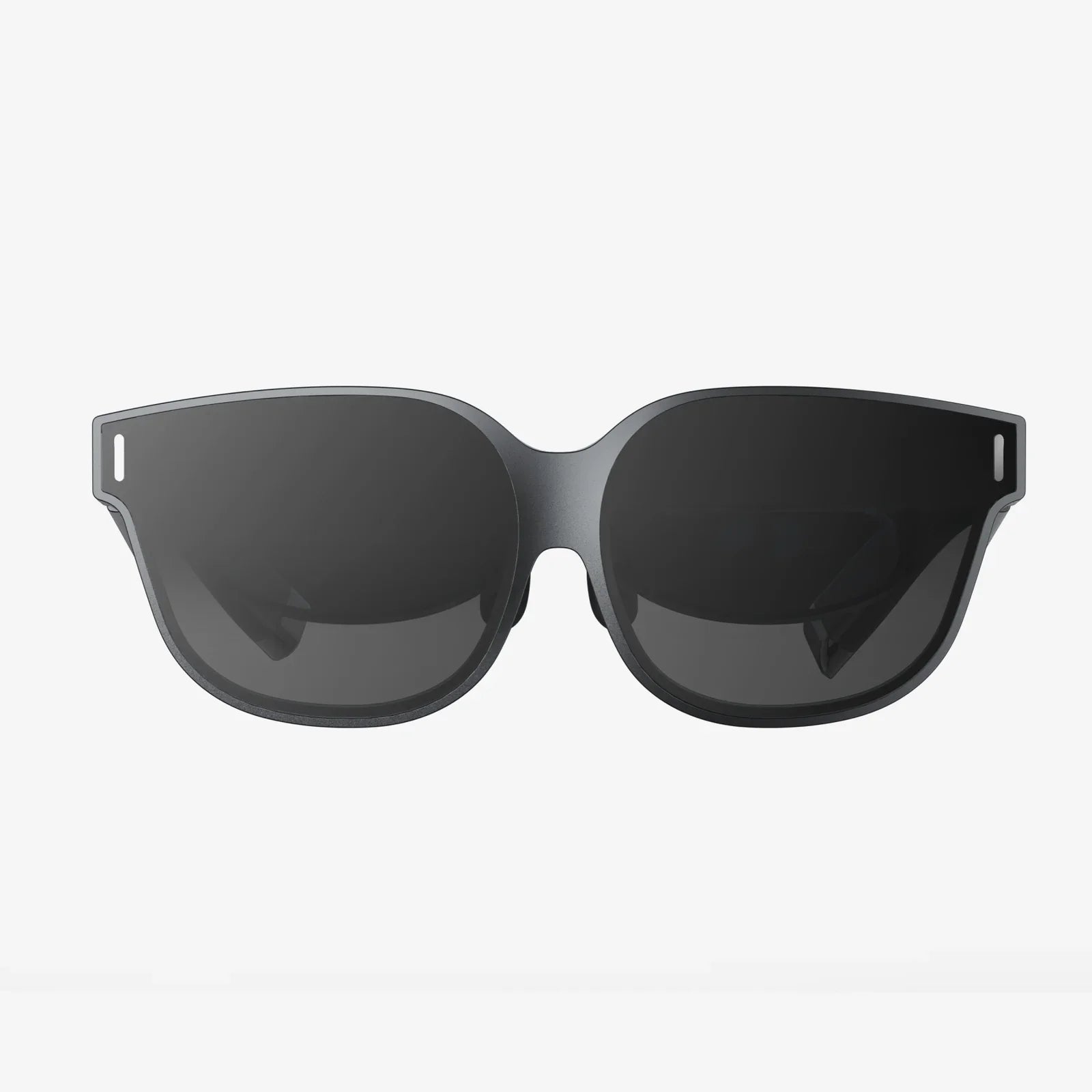
Imagine unfolding a device on a café table, in an airport lounge, or at a remote worksite and instantly commanding a panoramic digital canvas that rivals a high-end desktop setup. This is no longer a scene from science fiction but the tangible reality offered by the three-screen portable computer, a revolutionary hardware category that is fundamentally reshaping our relationship with mobile productivity. For digital nomads, creative professionals, financial analysts, and anyone whose workflow demands simultaneous access to multiple applications and data streams, this innovation represents a quantum leap beyond the limitations of the traditional laptop. It promises the untethered freedom of a portable device without sacrificing the expansive visual real estate once reserved for stationary workstations. The era of hunching over a single, cramped display is rapidly drawing to a close, making way for a new paradigm of truly immersive, flexible, and profoundly efficient mobile computing.
The Anatomy of a Multiscreen Marvel
At its core, a three-screen portable computer is an engineering feat that seamlessly integrates multiple displays into a single, cohesive, and transportable unit. The design philosophies vary, but they generally fall into a few distinct categories, each with its own mechanical ingenuity.
The most common design features a primary central display, identical to a standard laptop, flanked by two secondary displays that are housed within the same chassis. These additional screens are often slightly thinner and lighter. They deploy through an elegant mechanism—typically folding out from behind the main screen or sliding out from the sides of the device—locking into place to form a continuous, near-seamless widescreen workspace. When the task is complete, they retract and fold away, protecting the delicate glass and ensuring the device remains compact for travel.
Another innovative approach involves a dual-hinge system where the entire display portion of the device is itself a flexible screen. This single, expansive panel can be virtually segmented into three distinct workspaces, eliminating any physical bezels between the viewing areas and offering a truly uninterrupted visual experience. The engineering challenges here are significant, involving durable yet pliable display technology and robust hinge mechanisms designed for thousands of cycles.
Beyond the hardware, the software integration is what transforms this hardware from a novelty into a necessity. Advanced graphics drivers and dedicated software suites allow users to effortlessly manage windows across all three displays. With intuitive drag-and-drop actions, users can span a single application across all screens for an ultra-wide view or dedicate each display to a specific task—such as code on one, live preview on another, and documentation on the third. This seamless harmony between physical form and digital function is the true magic of the system.
Unleashing Productivity: A Multitasker's Dream
The most immediate and profound impact of a three-screen portable computer is on productivity. The human brain is remarkably adept at parallel processing, but traditional single-screen devices force a constant, cognitively expensive context-switching—minimizing, maximizing, and alt-tabbing between windows. This fragmentation kills flow state and efficiency.
A triple-display setup eradicates this problem. Consider a software developer: they can have their integrated development environment (IDE) open on the primary center screen, a live terminal and debugging console on the right screen, and the application's user interface preview or API documentation on the left screen. Everything is visible at once, eliminating the need to switch contexts and allowing for instantaneous feedback and reference.
For a financial analyst, the benefits are equally dramatic. Real-time market data and news feeds can stream on the left monitor, complex spreadsheet models and analysis can be manipulated on the center screen, and a dedicated communication platform for team collaboration can remain permanently open on the right. This setup provides a holistic, real-time view of the entire financial landscape, enabling faster and more informed decision-making.
Content creators, from video editors to graphic designers, find these devices transformative. A video editor's workflow can be perfectly distributed: the timeline and editing tools on the central display, the preview window on the right, and all source footage bins, effects panels, and audio mixers on the left. This mirrors a professional editing bay, providing unparalleled control and speeding up the creative process immensely. The ability to have a full-size digital canvas alongside toolbars and palettes on auxiliary screens is a game-changer for digital artists, freeing them from constantly navigating menus and allowing complete focus on their creation.
The Engine Under the Hood: Power and Performance
Driving three high-resolution displays simultaneously is a task that would bring most standard laptops to their knees. Therefore, the internal specifications of these machines are anything but ordinary. They are engineered as mobile powerhouses, necessitating top-tier components to ensure a smooth and responsive experience across the entire digital workspace.
At the heart of these systems lie high-wattage, multicore processors capable of handling intense multitasking loads. Whether compiling code, rendering complex visuals, or running multiple virtual machines, the CPU cannot be a bottleneck. Paired with this is a substantial amount of high-speed RAM, often exceeding the standard configurations found in consumer laptops, to ensure that all active applications and browser tabs remain snappy and readily accessible.
Perhaps the most critical component is the graphics processing unit (GPU). A dedicated, performance-grade GPU is non-negotiable. It is solely responsible for rendering the desktop environment across millions of pixels spread over three screens. Integrated graphics solutions are insufficient for this task; a dedicated GPU ensures that UI animations are smooth, scrolling is seamless, and any graphical work—from 3D modeling to high-resolution photo editing—is performed without lag or stutter. This raw power does come with considerations for thermal management. Sophisticide cooling systems, often featuring multiple fans and advanced heat pipe designs, are essential to dissipate the considerable heat generated by these components under load, maintaining performance and system stability.
Beyond the Office: A Universe of Applications
While the professional use cases are clear, the utility of a three-screen portable computer extends far beyond the traditional office. Its versatility makes it a compelling tool in numerous other fields and scenarios.
In academic and research settings, a scholar can have their primary research paper or data analysis software open centrally, with digital academic journals and reference materials on one side, and a note-taking or statistical analysis application on the other. This creates a dynamic and interactive research station that can be set up anywhere.
For the serious gamer, the immersive potential is staggering. While not the primary market, supported games can span across the triple-display array, offering a field of view that peripheral vision simply cannot ignore, pulling the player deeper into the game world than ever before on a portable device. For simulation enthusiasts—be it flight, racing, or strategy games—the additional screens can display control panels, maps, and telemetry data, creating a incredibly realistic cockpit or command center experience.
Even in more casual contexts, the value is apparent. Planning a complex trip? Itinerary on one screen, flight and hotel booking sites on another, and a video tour of the destination on the third. The modern digital lifestyle often involves consuming and cross-referencing information from multiple sources, and a three-screen system caters to this perfectly, turning any flat surface into a mission control center for your life.
Considerations and Trade-offs
Adopting this new form factor is not without its compromises. Potential users must weigh the incredible benefits against a few inherent trade-offs.
The most obvious is portability versus bulk. While these devices are designed to be transported, they are inherently larger, thicker, and heavier than a standard clamshell laptop. The additional screens, reinforced hinges, and larger battery contribute to a heft that is noticeable in a backpack. They also often require a larger footprint when deployed, which might be a constraint in very tight spaces like an economy airline seat.
Battery life is another significant consideration. Powering three bright displays and high-performance internals is incredibly demanding on a battery. While manufacturers equip these machines with large-capacity batteries, users managing intensive workloads on the go will find that AC power is often a necessity for sustained operation. These are not devices intended for all-day unplugged use under heavy load; they are mobile workstations that thrive when tethered to a power source for maximum performance.
Finally, there is the adaptation period. Learning to effectively manage and orchestrate workflows across three screens is a skill in itself. It requires a shift in digital habits and organizational thinking. Without deliberate management, the expansive canvas can ironically lead to more distraction, as unused screen space fills with unnecessary applications. However, for those who master it, the efficiency gains are permanent and profound.
The Future is Multi-Canvas
The three-screen portable computer is more than just a new gadget; it is a bold statement about the future of personal computing. It acknowledges that our digital lives and professional tasks are not singular, linear activities but complex, interconnected webs of information that demand more from our tools. This technology represents a clear move away from the one-size-fits-all approach of the past towards a more specialized, ergonomic, and human-centric computing experience.
As display technology continues to advance, we can expect to see even more radical iterations. Foldable and rollable displays will likely lead to devices that can deploy even more screen area from a similarly compact form factor. The physical bezels that currently segment the displays will shrink and potentially disappear altogether thanks to advancements in tiling and under-display camera technology. Furthermore, the software that manages these complex environments will become more intelligent, perhaps using AI to predictively arrange windows and applications based on the user's workflow or current project.
This evolution signals a broader trend: the fusion of raw computing power with thoughtful, flexible form factors that adapt to human needs, rather than forcing humans to adapt to the limitations of their devices. The three-screen portable computer is the vanguard of this movement, breaking down the final barrier between mobile and stationary computing and offering a glimpse into a future where our workspace is limited only by our imagination, not by our hardware.
For those who have experienced the sheer utility of a multi-monitor setup, returning to a single screen feels like working with blinders on. The three-screen portable computer shatters those blinders for good, packaging unprecedented visual capacity into a carry-on companion. It empowers a new class of professional to create, analyze, and connect from anywhere in the world with a level of effectiveness that was previously unimaginable outside of a fixed office. This isn't just an upgrade; it's a complete redefinition of what it means to be productive on the move, offering a tantalizing preview of the boundless, connected workspaces of tomorrow that you can hold in your hands today.
Share:
AR Glasses News Today September 2025: The Month Reality Got an Upgrade
How to Stream Phone to TV Wireless: The Ultimate Guide for 2024