


- by wangfred
Top 10 Wearable Technology: The Future on Your Wrist and Beyond
- by wangfred
Imagine a world where your clothing monitors your health, your glasses overlay digital information onto the real world, and your watch can predict a potential health crisis before it happens. This isn't a glimpse into a distant sci-fi future; it's the reality being built today by the rapid evolution of wearable technology. From the ubiquitous smartwatch to cutting-edge biosensors, wearables have exploded from niche gadgets to central pillars of our personal ecosystems, seamlessly integrating technology into the very fabric of our daily existence. This deep dive into the top 10 categories of wearable tech will explore not just what these devices are, but how they are fundamentally reshaping our relationship with data, health, and the world around us.
No category defines the wearable tech market more than the modern smartwatch. These devices have evolved far beyond their origins as simple phone companions. Today, they are powerful, standalone computers strapped to our wrists. They serve as our primary notification hub, filtering the digital deluge from our smartphones and presenting only the most critical information with a subtle vibration. Their fitness tracking capabilities are now incredibly sophisticated, offering a suite of sensors including optical heart rate monitors, blood oxygen saturation (SpO2) sensors, and always-on altimeters.
But their utility extends far deeper. Advanced health features like atrial fibrillation (AFib) detection, electrocardiogram (ECG) readings, and skin temperature sensing are moving from high-end exclusives to standard offerings. These tools empower individuals with unprecedented insights into their own well-being, facilitating early conversations with healthcare providers. Furthermore, the integration of Near Field Communication (NFC) has turned the smartwatch into a digital wallet and access key, allowing users to make payments, board public transport, and unlock doors with a flick of the wrist. This convergence of health, connectivity, and convenience solidifies its position as the flagship of wearable tech.
For the fitness purist or the health-conscious individual seeking continuous data without the bulk or distractions of a full smartwatch, dedicated fitness trackers are the perfect solution. These devices prioritize battery life and core functionality, often lasting a week or more on a single charge. They excel at their primary mission: tracking steps, monitoring sleep stages with impressive accuracy, calculating calorie expenditure, and providing basic heart rate data.
Their minimalist design is their greatest strength. Lightweight and often featuring a simple LED display or even a fully analogue face with a hidden digital strip, they provide haptic feedback for goals and notifications without being a constant screen-based distraction. Many are also swim-proof and boast incredibly durable designs, making them ideal companions for intense workouts and everyday life. They represent the accessible entry point into the world of quantified self, offering a focused and affordable gateway to understanding one's basic activity patterns and sleep quality.
The humble earphone has undergone a radical transformation, emerging as a sophisticated wearable technology category known as smart hearables. Modern wireless earbuds are packed with technology that far surpasses simple audio playback. Active Noise Cancellation (ANC) creates personal zones of auditory serenity, while Transparency Mode uses external microphones to blend ambient sound with your music, keeping you aware of your surroundings.
Advanced beamforming microphones ensure crystal-clear call quality, making them indispensable for remote work. The integration of smart assistants allows for voice-controlled music, messages, and information retrieval hands-free. Perhaps most impressively, the ear is becoming a new frontier for biometric monitoring. Some next-generation hearables are beginning to incorporate heart rate sensors and even in-ear temperature monitors. The unique position within the ear canal provides a stable, relatively motion-free environment for gathering health data, positioning hearables as a future hub for discreet, continuous health tracking throughout the day.
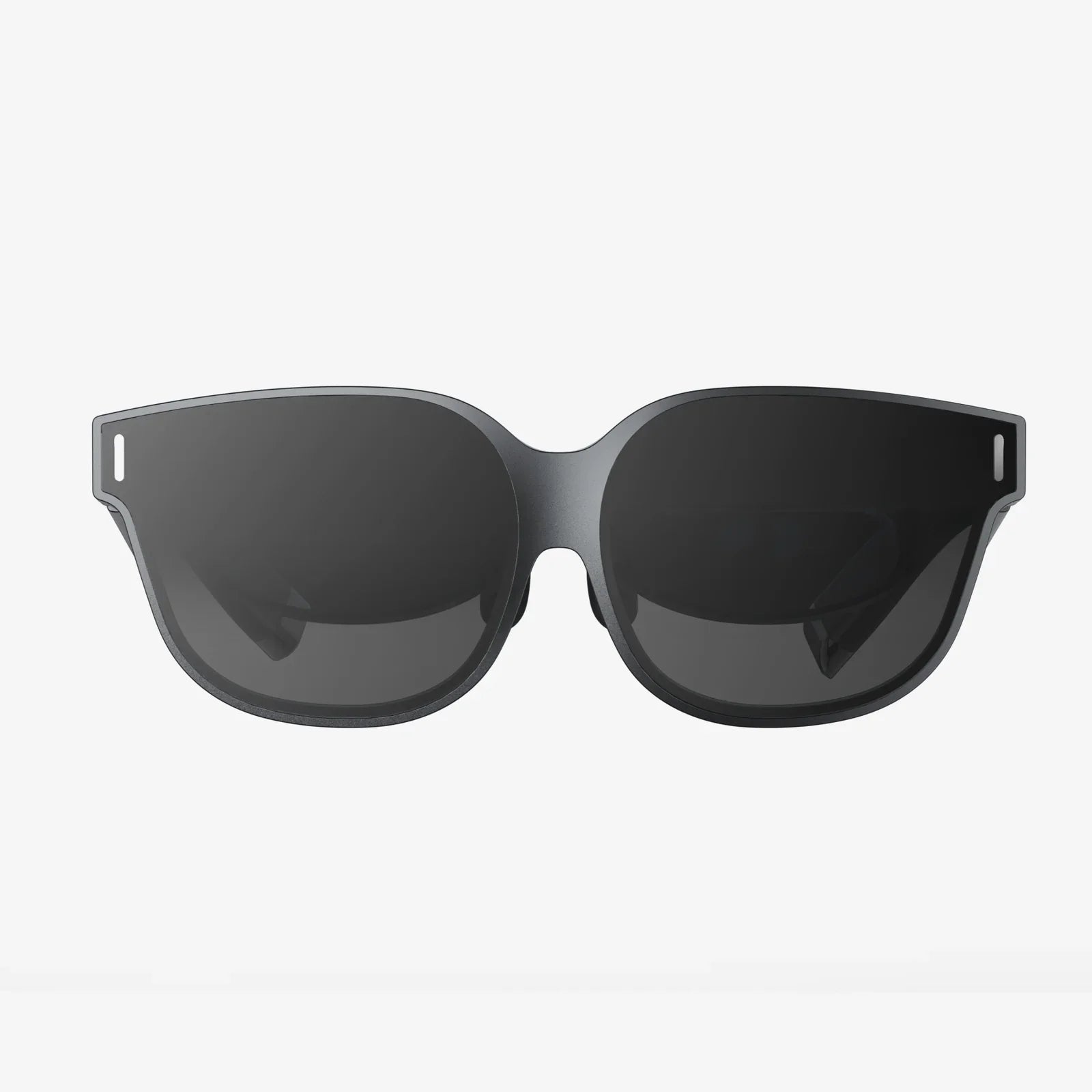
Smart glasses represent one of the most ambitious and futuristic categories of wearable technology. Unlike Virtual Reality (VR) headsets that create entirely digital environments, smart glasses aim to overlay digital information—a concept known as Augmented Reality (AR)—onto the user's real-world field of view. Early iterations focused on monochromatic displays that provided basic notifications, navigation cues, and translation data.
The current and next generation of these devices is far more advanced. They are moving towards full-color, wave-guide displays that can project high-fidelity holograms onto the real world. The potential applications are staggering: mechanics could see repair instructions overlaid on an engine, surgeons could visualize patient vitals and MRI data during a procedure, tourists could see historical facts materialize on a monument, and architects could walk clients through a full-scale 3D model of a building on an empty plot of land. While consumer adoption is still in its early stages, the race to create the definitive pair of AR glasses is one of the most intense battles in tech, promising to redefine how we interact with digital information.
At the opposite end of the spectrum from AR lie Virtual Reality (VR) and Mixed Reality (MR) headsets. These wearables are designed for full digital immersion. VR headsets completely block out the physical world, transporting the user to a computer-generated environment for gaming, social interaction, virtual travel, and immersive storytelling. The technology has advanced with high-resolution displays, precise inside-out tracking that eliminates the need for external sensors, and sophisticated controllers that mimic hand movements.
Mixed Reality (MR) headsets represent a powerful hybrid. They use outward-facing cameras to digitize the real world and then blend it seamlessly with virtual objects. This allows a user to see their physical hands and room while interacting with a digital creature that can hide behind their real sofa. The professional applications are immense, enabling remote collaboration where engineers can manipulate 3D models together from different continents or medical students can practice complex procedures on virtual patients. These headsets are not just for entertainment; they are powerful tools for design, training, and remote work.
The concept of smart clothing, or e-textiles, involves integrating electronic components like sensors and conductive threads directly into garments. This creates a wearable that is fundamentally more intimate and capable than a device worn on the wrist or head. A smart shirt, for example, can have sensors woven throughout the torso to provide detailed Electrocardiogram (ECG) data, measure breathing rate, and analyze posture throughout the entire day with clinical-grade accuracy that a wrist-worn device cannot match.
Smart socks can analyze a runner's gait and foot strike. Heated jackets can be controlled via a smartphone app to maintain perfect body temperature. The goal of this category is to make the technology disappear entirely, creating clothing that is indistinguishable from normal apparel but possesses a hidden layer of intelligent functionality. This seamless integration promises the most passive and comprehensive form of health and activity monitoring, capturing data from the largest possible surface area of the body without any need for the user to remember to wear a separate device.
Driven by a demand for more proactive and personalized healthcare, Continuous Glucose Monitors (CGMs) have become a landmark wearable technology. Traditionally used by individuals with diabetes, these small, discreet sensors are worn on the arm or abdomen and measure glucose levels in interstitial fluid every few minutes, transmitting the data to a smartphone or dedicated receiver. This provides a real-time, dynamic picture of blood sugar levels, replacing the painful and infrequent finger-prick tests.
The impact is revolutionary, allowing for precise dietary and insulin management. Furthermore, this technology is now sparking interest in the broader wellness and biohacking communities. By understanding how different foods, sleep patterns, and stressors affect their metabolic health, individuals are using CGMs to optimize their energy, performance, and long-term health. This represents a key trend in wearables: the migration of clinical-grade medical monitoring from the hospital directly into the hands (and onto the bodies) of consumers, democratizing access to deep health data.
Moving even further down the path of unobtrusiveness is the category of smart patches and biosensors. These are typically single-use, adhesive devices that stick directly to the skin like a bandage. Despite their simple appearance, they pack a significant amount of technology, including flexible batteries, microprocessors, and an array of miniaturized sensors. They are designed for continuous monitoring over a period of days or weeks for specific medical or research purposes.
Applications include monitoring core body temperature for athletes or military personnel, tracking UV exposure for skin health, measuring hydration levels, or conducting decentralized clinical trials by gathering real-world patient data. Their single greatest advantage is their discreteness and ability to gather data in situations where a wrist-worn device would be impractical, impossible, or simply not accurate enough. They represent the extreme frontier of miniaturization in wearable tech, prioritizing targeted, clinical-quality data over multifunctionality.
As awareness grows about the impact of our environment on our health, a new class of wearables has emerged: smart jewelry and environmental sensors. These devices take the form of elegant rings, pendants, or bracelets that double as sophisticated trackers. Smart rings, for instance, have become popular for their ability to provide highly accurate sleep staging and recovery metrics due to their stable position on the finger, which is less prone to movement artifacts than the wrist.
Beyond personal metrics, other wearables in this space focus on the external environment. Small, wearable sensors can detect air quality, pollen count, UV levels, and even noise pollution, sending alerts to your phone if conditions become unhealthy. This external data layer is crucial for building a complete picture of personal wellness, connecting internal biometrics like heart rate variability and sleep quality to external factors like air pollution and allergen levels, enabling users to make informed decisions to protect their health.
On the farthest horizon of wearable technology lies the development of non-invasive brain-computer interfaces (BCIs). These devices, often in the form of headbands or specialized headphones, use sensors (like EEG) to detect electrical activity from the brain. While currently focused on research and niche applications, the potential is mind-boggling. Current applications include meditation and focus training, allowing users to see real-time feedback on their mental state.
Future applications could allow for controlling software or devices with your thoughts, providing new communication avenues for individuals with certain disabilities, or monitoring for neurological conditions like impending seizures or fatigue in high-risk professions like aviation or trucking. While still in its relative infancy compared to other categories, BCI technology represents the ultimate wearable: a direct portal into the human nervous system, promising a future where technology can understand and respond to our intentions and cognitive states without a single spoken word or touch.
The true power of this technological revolution lies not in any single device, but in the emerging ecosystem they create. Imagine your smart ring detecting poor sleep, which then prompts your smartwatch to suggest a lighter workout and your smart kitchen appliances to recommend foods that aid recovery. Your environmental sensor could warn of high pollen, and your hearables could automatically enable stronger noise cancellation to combat a stress-induced headache detected by a future BCI headband. This interconnected web of data, worn across the body, will provide a holistic understanding of human health and performance that was previously unimaginable, moving us from simply tracking our lives to actively and intelligently enhancing them.