


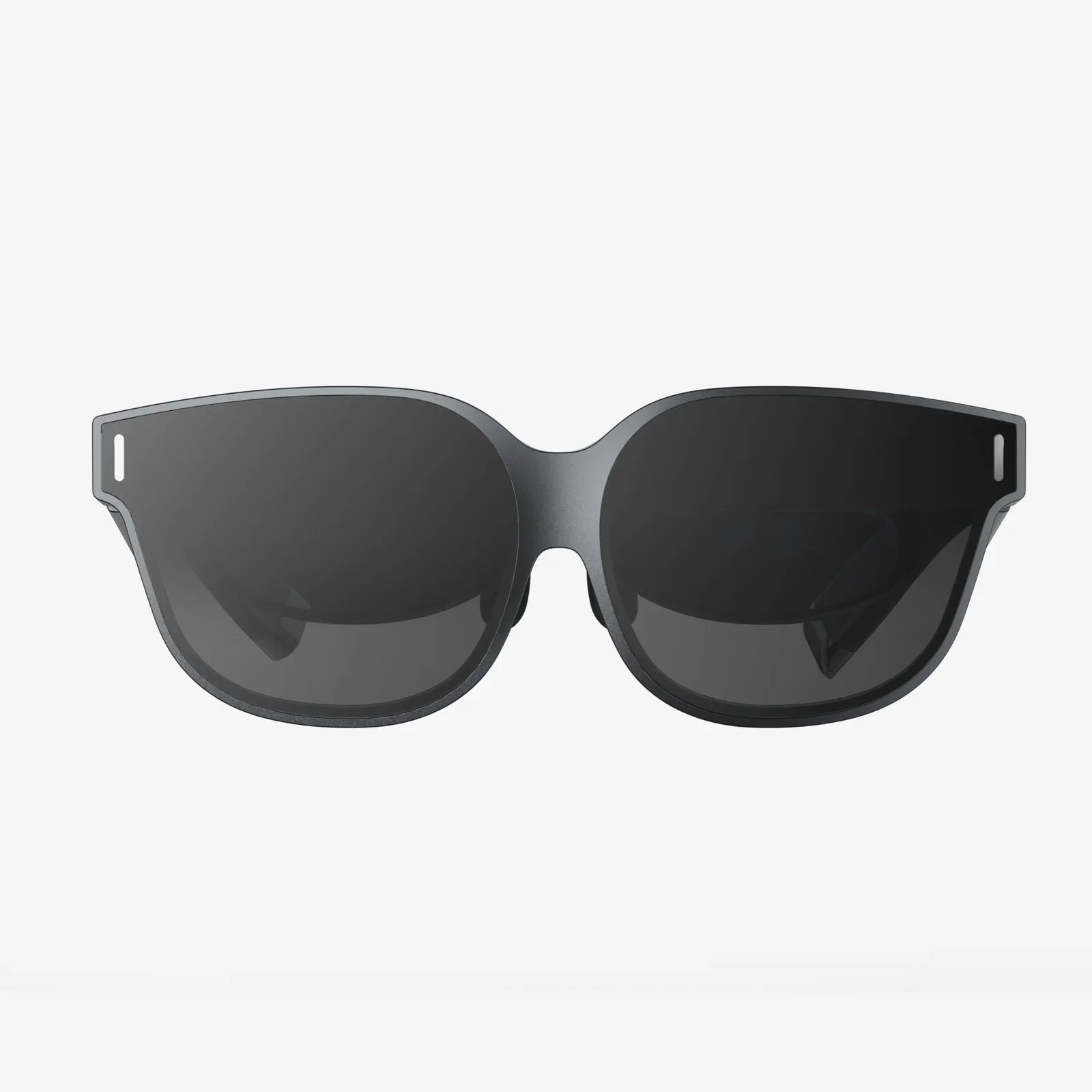
The digital and physical worlds are colliding in spectacular fashion, and at the heart of this revolution are the top augmented reality platforms. These powerful software frameworks are no longer the stuff of science fiction; they are the essential tools building the next layer of our reality. For businesses, developers, and creators, understanding this landscape is the key to unlocking unprecedented engagement, streamlining complex workflows, and creating experiences that were once unimaginable. The future is here, and it’s waiting for you to build upon it.
The evolution of AR platforms has been nothing short of remarkable. From rudimentary marker-based systems to today's sophisticated cloud-anchored and SLAM-powered (Simultaneous Localization and Mapping) environments, the technology has matured at a breakneck pace. This maturation has given rise to a diverse ecosystem of platforms, each with its own strengths, specializations, and target audiences. Navigating this ecosystem requires a clear understanding of the different types of platforms available and the core functionalities they provide.
The Bedrock of AR: Understanding Core Technologies
Before diving into the platforms themselves, it's crucial to grasp the fundamental technologies that power them. These are the building blocks that all top-tier platforms leverage to create seamless and convincing augmented experiences.
Simultaneous Localization and Mapping (SLAM): This is the magic behind most modern AR. SLAM algorithms allow a device to understand its physical environment in real-time by identifying key feature points and tracking their position. It simultaneously maps the environment and localizes the device within it, enabling digital content to be placed and persist accurately in the real world without the need for markers.
Surface Detection: Platforms use sensors like LiDAR (Light Detection and Ranging) or advanced computer vision to detect horizontal planes (floors, tables) and vertical planes (walls). This allows digital objects to sit convincingly on real surfaces, obeying the laws of physics and perspective.
Occlusion: A critical factor for immersion, occlusion is the ability for real-world objects to appear in front of digital ones. For example, a virtual character should be hidden behind your real sofa, not appear in front of it. Advanced platforms handle this computationally, creating a more believable blend of realities.
Cloud Anchoring: This technology allows AR experiences to be persistent and shared across multiple devices and sessions. By saving the digital object's position to the cloud relative to a specific real-world location, different users can return to the same spot days later or view the same content simultaneously on their own devices, enabling collaborative AR.
Image and Object Recognition: Many platforms can be trained to recognize specific 2D images (like a poster) or even 3D objects (like a machine part). This triggers associated AR content, making it powerful for industrial manuals, interactive marketing, and educational tools.
A Spectrum of Solutions: Categories of AR Platforms
The market for AR platforms is not monolithic. It can be broadly segmented into several categories based on their primary use case, development complexity, and target user.
1. Mobile-Centric AR Development Kits
These are software development kits (SDKs) provided by major technology companies, deeply integrated into their mobile operating systems. They are designed primarily for developers to build AR experiences for smartphones and tablets.
Key Characteristics:
- Deep OS Integration: They leverage the full power of the device's hardware, including dedicated AR processors and advanced sensors.
- Massive Device Reach: They target the billions of active devices running their respective operating systems, offering an unparalleled potential user base.
- Robust Feature Sets: They offer comprehensive features like SLAM, surface detection, face tracking, and image recognition out-of-the-box.
- Developer-Focused: They require significant coding expertise in native languages (e.g., Java, Kotlin, Swift) or game engines.
These platforms are the foundation for a vast number of consumer-facing AR apps, from social media filters to immersive gaming and retail try-on experiences.
2. Cross-Platform and Game Engine AR
This category is dominated by powerful game engines that have expanded their toolkits to include robust AR development capabilities. Their primary advantage is the ability to create once and deploy across multiple operating systems and device types.
Key Characteristics:
- Cross-Platform Deployment: Build a single project and publish it to iOS, Android, and often other platforms like headsets, drastically reducing development time and cost.
- Powerful Rendering Engines: They bring high-fidelity 3D graphics, complex animations, and physics simulations to AR experiences.
- Vast Asset Ecosystems: They are supported by huge marketplaces for 3D models, textures, plugins, and other assets, accelerating development.
- Established Workflows: They are the industry standard for game development, meaning there is a large talent pool of developers familiar with the tools.
These platforms are the go-to choice for creating rich, interactive, and graphically intensive AR applications, especially for games, marketing campaigns, and complex visualizations.
3. Web-Based AR Platforms
This approach delivers AR experiences directly through a web browser, eliminating the need to download a dedicated app. It represents the lowest barrier to entry for end-users.
Key Characteristics:
- No App Download Required: Users access AR by simply clicking a link, making it ideal for impulsive interactions like scanning a QR code on a product.
- Instant Accessibility: It democratizes AR, allowing anyone with a compatible smartphone to engage with the content immediately.
- Easier to Share and Index: AR experiences are as shareable as a URL and can be indexed by search engines.
- Rapid Prototyping: Many web AR platforms offer simplified, codeless or low-code authoring tools for quick creation and iteration.
Web AR is perfect for broad-reach marketing campaigns, product visualizations, museum exhibits, and any scenario where frictionless access is paramount.
4. Enterprise and Industrial AR Platforms
This specialized category focuses on solving business problems. These platforms are designed for robustness, security, and integration with enterprise software systems like CAD, PLM, and IoT platforms.
Key Characteristics:
- Hardware Agnostic: They support a wide range of devices, from smartphones to dedicated AR smart glasses.
- Enterprise-Grade Features: Focus on remote expert assistance (see-what-I-see video calling), complex 3D visualizations of machinery, step-by-step work instructions overlaid on equipment, and data capture.
- Security and Integration: Built with corporate IT requirements in mind, offering secure data handling and APIs to connect with existing business software.
- Authoring for Non-Developers: Often include drag-and-drop editors that allow subject matter experts (e.g., senior technicians) to create AR work instructions without writing code.
These platforms are transforming fields like manufacturing, field service, logistics, and training by improving accuracy, reducing errors, and accelerating complex procedures.
Choosing the Right Tool for the Job: Key Selection Criteria
With this diverse landscape, selecting the right platform is a strategic decision. The choice should not be based on popularity alone but on a careful analysis of your project's specific needs.
1. Target Audience and Devices: Who are you building for? Consumers on their personal phones? Field technicians on ruggedized smart glasses? The answer will immediately narrow your options. Consider the devices they use and their technical comfort level.
2. Development Resources and Expertise: Do you have an in-house team of experienced developers fluent in C# or C++? Or are you a marketing team needing to create a campaign quickly with minimal coding? Your team's skillset will dictate whether you need a full SDK, a game engine, or a codeless authoring tool.
3. Core Features and Functionality: Make a list of must-have features. Do you need multi-user collaboration? Object recognition? Integration with a specific 3D file format? Offline functionality? Not all platforms support every feature equally.
4. Deployment and Distribution: How will users access the experience? Through an app store? A private enterprise catalog? A simple web link? The distribution method is a primary driver in choosing between a native, web, or enterprise platform.
5. Total Cost of Ownership: Look beyond initial licensing fees. Consider costs for development, maintenance, publishing, and cloud services. Some platforms use a revenue-share model, while others charge per user or per published experience.
The Future is an Augmented Layer
The trajectory of AR platform development is clear: towards greater simplicity, more powerful capabilities, and deeper integration into our daily lives and work. We are moving towards a world where a persistent, shared digital layer over our physical environment is commonplace. The leading platforms are already laying the groundwork for this future with advances in visual search, semantic understanding (where the software understands an object is a 'chair' and not just a collection of surfaces), and ever-more seamless user interfaces.
The barrier to entry for creating AR is falling rapidly, empowering a new generation of creators. At the same time, the ceiling for what is possible is being pushed higher by relentless innovation, enabling solutions to problems we are only beginning to understand. The competition among these top augmented reality platforms is fierce, and this is ultimately a win for everyone—driving innovation, improving usability, and expanding the realm of the possible.
Whether you're a developer ready to code the next killer app, a brand manager aiming to captivate your audience, or an operations director seeking to revolutionize your workflow, the power to reshape reality is now at your fingertips. The platforms are here, the devices are capable, and the market is eager. The only question that remains is what you will build.
Share:
Difference Between AR and VR: A Complete Guide to Understanding Immersive Technologies
8K VR Glasses: The Unprecedented Leap into Hyper-Realistic Virtual Worlds