


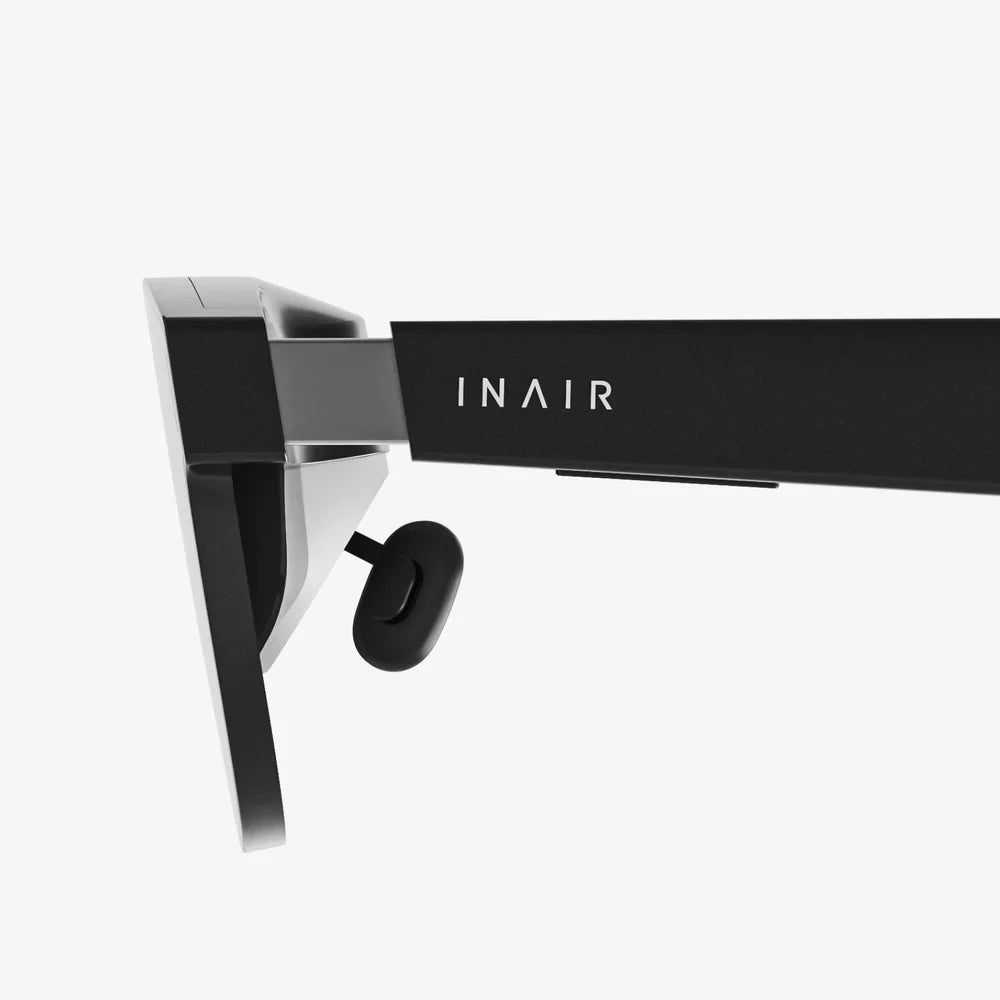
Imagine settling into your favorite chair, on a long-haul flight, or even lying in bed and, with a simple gesture, summoning a crystal-clear, massive high-definition screen that only you can see. This isn't a scene from a science fiction novel; it's the reality made possible by TV projection glasses, a technological marvel that is fundamentally reshaping our concept of personal entertainment. By merging the immersive potential of a home theater with the intimate convenience of a wearable device, these glasses offer a portal to a private cinematic universe, untethered from the constraints of physical space and external distractions. The promise is intoxicating: a big-screen experience that fits in your pocket, available anytime, anywhere.
The Core Technology: How Do TV Projection Glasses Actually Work?
At first glance, the technology behind TV projection glasses seems like pure magic. How can a device perched on your nose project an image that feels expansive and distant? The secret lies in a sophisticated combination of optics, micro-displays, and computing power.
The process begins with a tiny, high-resolution micro-display panel, often based on OLED or similar advanced technology, located inside the arms or front of the glasses. This minuscule screen generates the initial image. However, this image is far too small and close to the eye to be viewed comfortably. This is where the ingenious optical system takes over.
Precision-engineered lenses and prisms, including often a setup known as free-form optics or waveguides, are used to collimate the light from the micro-display. Collimation is the key principle: it makes the diverging light rays from the small screen appear to be coming from a much farther distance, essentially tricking your brain into perceiving the image as if it were a large screen projected several meters away. The result is a virtual image that can have an equivalent perceived size of a 100-inch, 150-inch, or even larger display, all while maintaining a compact and wearable form factor.
Advanced models integrate sensors for head tracking and orientation, ensuring the image remains stable. They also feature built-in spatial audio speakers or support for high-fidelity Bluetooth headphones, completing the immersive sensory experience by delivering rich, directional sound directly to your ears.
Beyond the Hype: Tangible Benefits and Real-World Applications
The appeal of TV projection glasses extends far beyond a simple novelty. They solve several genuine challenges associated with traditional screen-based media consumption.
A Truly Personal and Private Cinema
In an increasingly connected world, true privacy is a luxury. TV projection glasses offer exactly that. Whether you're watching a sensitive work document, a favorite action movie packed with spoilers, or simply want to enjoy a show without disturbing your partner sleeping next to you, these glasses provide a completely isolated viewing bubble. The content is for your eyes only, making them perfect for travel, open-plan offices, or shared living spaces.
Unparalleled Portability and Space Saving
The dream of a massive home theater setup is often crushed by the realities of space and budget. TV projection glasses eliminate this dilemma entirely. Your immersive screen is no longer tied to a wall or a stand; it's with you wherever you go. They are the ultimate solution for apartment dwellers, students in dorms, frequent travelers, and anyone who desires a big-screen experience without the big-screen footprint. A entire theater system effectively condenses into a single, sleek pair of glasses.
Reduced Eye Strain and Enhanced Comfort
Paradoxically, despite being so close to the eyes, the optical technology can reduce eye strain compared to traditional screens. Because the virtual image is projected at a distance, the user's eye muscles are relaxed in a similar way to looking at a far-away object, rather than constantly focusing and converging on a nearby phone or laptop screen. This can lead to a more comfortable viewing experience during extended binge-watching sessions.
Expanding Applications Beyond Entertainment
While media consumption is the primary driver, the potential applications are vast. Imagine mechanics viewing repair manuals hands-free, surgeons accessing patient data during procedures, architects walking clients through 3D building models, or remote workers managing multiple virtual desktops without the need for physical monitors. The technology serves as a gateway to augmented reality productivity tools, overlaying digital information seamlessly onto the real world.
Navigating the Considerations: What to Know Before You Buy
As with any emerging technology, TV projection glasses come with their own set of considerations. Being aware of these will ensure your experience meets expectations.
Understanding Field of View (FOV)
Field of View is arguably the most critical specification. It determines how much of your vision the virtual screen occupies, directly impacting the sense of immersion. A wider FOV feels more like being in a movie theater, while a narrower one can resemble a large television at the end of a bed. Current consumer models offer varying FOVs, and this is a key differentiator in the feeling of scale they provide.
Resolution and Image Quality
The quest for pixel-perfect clarity is paramount. Since the image is magnified significantly, any imperfections in the source micro-display can become noticeable. Look for glasses that offer a high perceived resolution (often described as equivalent to a 1080p or 4K experience at the screen's virtual size) to avoid a "screen door effect" or visible pixels, ensuring a sharp and engaging picture.
Design, Fit, and Battery Life
Comfort is king for a wearable device. Glasses must be lightweight and well-balanced to avoid pressure points during long sessions. Compatibility with prescription lenses is also a crucial factor for many users. Furthermore, battery life dictates freedom. Modern devices typically offer several hours of continuous video playback, but this can vary significantly. Assessing your typical usage patterns against the device's battery performance is essential.
The Content Connection
Most TV projection glasses are not standalone devices; they are displays. They need a content source, typically connecting via HDMI or wirelessly to a smartphone, laptop, gaming console, or media streamer. The ease of this connection, latency for gaming, and compatibility with your existing devices are vital practical checks. Some models are moving towards greater independence with built-in streaming apps, reducing the need for an external source.
The Future is Wearable: Where is This Technology Headed?
The current generation of TV projection glasses is impressive, but it merely scratches the surface of what's possible. The trajectory points towards even more integrated and intelligent devices.
We are rapidly moving towards a future where these glasses will shed their dependency on external sources, becoming all-in-one entertainment hubs with onboard processing, storage, and internet connectivity. Integration with voice assistants and gesture controls will make navigation seamless and intuitive.
Most excitingly, the line between virtual cinema screens and augmented reality is blurring. The next evolution will be spatial computing glasses that can pin multiple application windows—a browser, a messaging app, a video player—onto your physical environment, allowing you to interact with digital content contextually within your space. Your living room wall could become your monitor, your office desk your control center, all through a single wearable device.
Advances in waveguide technology, eye-tracking, and photorealistic passthrough AR will eventually make the devices smaller, lighter, and more socially acceptable, transforming them from a niche gadget into a mainstream computing platform that could one day replace our televisions, monitors, and phones.
From the solitary traveler seeking escape on a cross-country train to the busy professional creating a multi-monitor workstation on a café table, TV projection glasses are democratizing the big screen experience. They represent a significant leap towards a more personal, portable, and immersive digital life, breaking the final barrier between our digital content and our perception of reality. The era of carrying your cinema in your bag is not just here; it's just getting started, promising a world where your favorite entertainment and most critical work tools are always just a glance away.
Share:
Best Smart Glasses Available Now: A Comprehensive Guide to the Future on Your Face
Best Smart Glasses Available Now: A Comprehensive Guide to the Future on Your Face