


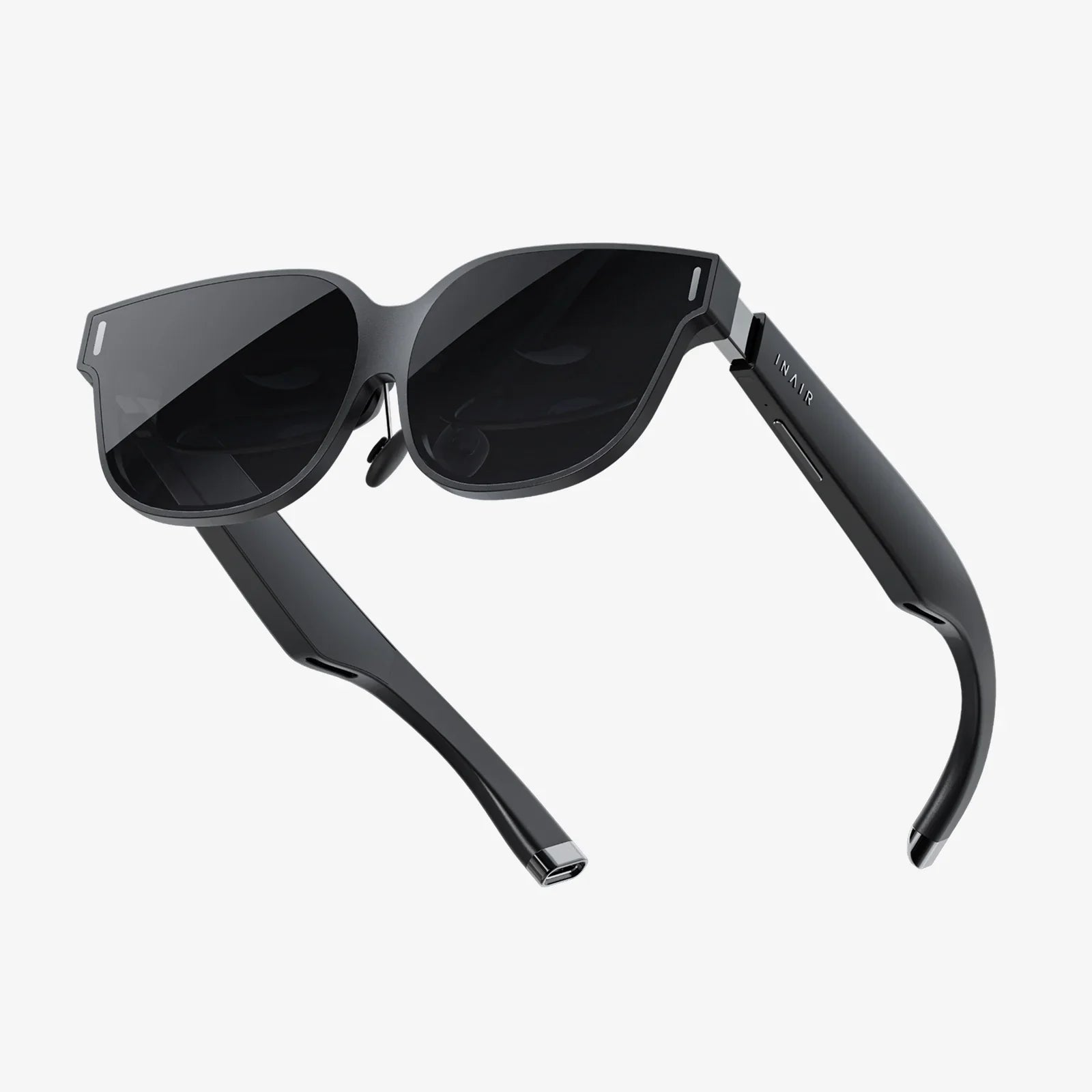
Imagine slipping on a single, sleek headset and instantly having the keys to every virtual kingdom, every immersive training simulation, and every social space the digital realm has to offer. No more compatibility checks, no more walled gardens of exclusive content—just pure, unadulterated access. This is the promise, the revolution, and the undeniable future being ushered in by the advent of truly universal VR goggles. This isn't just another incremental tech upgrade; it's a paradigm shift, poised to dismantle the very barriers that have long confined virtual reality to a niche hobby and propel it into the mainstream consciousness as an indispensable tool for work, play, and human connection.
Beyond the Walled Gardens: Defining the "Universal" Experience
For years, the virtual reality landscape has been a fragmented empire, divided by competing platforms and proprietary ecosystems. Consumers were forced to make a daunting choice: invest in one company's hardware and, by extension, lock themselves into its specific library of software and experiences. This siloed approach stifled innovation, limited consumer choice, and created a confusing barrier to entry for newcomers. Universal VR goggles represent a fundamental rejection of this model. Their core philosophy is one of openness and interoperability.
But what exactly makes a pair of VR goggles "universal"? It's a combination of hardware and software working in concert to achieve platform-agnosticism.
- Hardware Agnosticism: True universality starts with the physical design. This means building headsets that are not tethered to a single processing unit. They must be compatible with a wide range of devices, from powerful gaming consoles and desktop computers to modern smartphones and standalone processors. This involves versatile connectivity options like USB-C, DisplayPort, and robust wireless standards like Wi-Fi 6E, ensuring a high-fidelity link regardless of the source.
- Software and Platform Agnosticism: This is the true heart of the revolution. Universal goggles must be able to access and run applications from multiple digital storefronts and platforms. Instead of being gatekept by a single operating system, they might run on an open-source OS or feature a proprietary layer that seamlessly translates and runs software from various sources, much like a computer can run programs from different developers.
- Controller and Tracking Compatibility: A universal system must support a variety of input methods. This includes inside-out tracking using onboard cameras that work flawlessly across different software environments, as well as support for third-party controllers, haptic gloves, and other peripherals, giving users the freedom to choose their preferred method of interaction.
The Technical Symphony: Inside the Universal Headset
Creating a device that can gracefully dance between so many different technological partners is no small feat. It requires a harmonious blend of cutting-edge components and intelligent software design.
The display is the soul of the experience. Universal headsets increasingly favor high-resolution Micro-OLED or advanced LCD panels, offering pixel densities so high that the dreaded "screen door effect" becomes a relic of the past. A wide field of view (often 110 degrees or more) is coupled with a crucial feature: a variable refresh rate. This allows the display to sync perfectly with the output of everything from a top-tier graphics card to a mobile processor, preventing screen tearing and ensuring smooth, comfortable visuals no matter the source.
Processing this visual feast demands a robust internal architecture. While some universal headsets act as simple displays for external powerhouses (PCs, consoles), the trend is toward hybrid models. These contain their own onboard processor for mobile-level experiences and standalone functionality but can also switch into a high-performance "dumb" display mode when connected to a more powerful machine. This dual nature is key to true versatility.
Perhaps the most critical technical challenge is crafting an intuitive and accurate tracking system. Universal headsets rely heavily on inside-out tracking, using a constellation of wide-angle cameras, LiDAR sensors, and gyroscopes to map the physical room and track the headset's and controllers' positions within it. For this to work universally, the headset's software must create a standardized spatial map that any connected platform can understand and utilize, allowing you to set up your play space once and have it recognized by every application you run.
A World of Applications: More Than Just Games
While gaming is the most visible and exciting application for many, the value of universal VR goggles extends far beyond the virtual battlefield. Their open nature makes them a powerful catalyst for change across numerous sectors.
Revolutionizing Education and Training
Imagine a medical student using the same headset to practice a complex surgical procedure from their university's proprietary software in the morning, and then in the afternoon, joining a virtual historical tour of ancient Rome hosted on a completely different educational platform. Universal goggles eliminate the prohibitive cost of specialized hardware for schools and institutions, allowing them to invest in a single solution for a multitude of immersive learning experiences, from biology to architecture to soft skills training.
Transforming Remote Work and Collaboration
The future of work is distributed, and universal VR is its meeting room. Instead of being locked into one company's virtual meeting app, employees could use their personal headsets to enter a persistent virtual office that works with their company's chosen software. An architect could review a 3D model in one application, then seamlessly step into a client meeting hosted on another, all without ever taking off their headset. This fluidity breaks down digital silos and fosters a more natural and productive collaborative environment.
Democratizing Social Connection and Experiences
Social VR platforms are vibrant digital cities, but today, they are often isolated from one another. Universal goggles act as a passport. A user could attend a live virtual concert with friends on one platform and then immediately catch a movie in a virtual cinema on another. This freedom to roam the entire social VR metaverse, not just a corporate-owned slice of it, enriches human connection and creates a more vibrant and competitive ecosystem for experience creators.
Navigating the Challenges: The Road to True Universality
The path to a perfectly unified VR world is not without its obstacles. The largest hurdle is not technical but philosophical: corporate cooperation. Major tech companies have invested billions in building their own ecosystems, using exclusive content to drive hardware sales. Convincing these giants to open their gardens and support a universal standard requires a fundamental shift in business strategy, likely driven by overwhelming consumer demand for interoperability.
There are also significant technical and user experience hurdles to overcome. How does a universal headset handle storefront logins, payment systems, and user identities across different platforms? Creating a unified, seamless user interface that elegantly blends these disparate elements is a monumental task. Furthermore, ensuring consistent performance and visual quality across the vast spectrum of connected hardware, from smartphones to supercomputers, requires incredibly sophisticated software optimization.
The Future is Open: What Lies Ahead
As the technology matures, we can expect universal VR goggles to become lighter, more comfortable, and more powerful. The pursuit of visual fidelity will continue, with advancements like varifocal displays (which adjust focus based on where you're looking) and even higher resolutions becoming standard. However, the most exciting evolution will be in the realm of accessibility and integration.
We are moving toward a future where your VR headset is as fundamental and versatile as your smartphone. It will be your portal to work, your window to social events, your home theater, and your personal gym. The concept of "an app" will fade, replaced by persistent digital spaces that you inhabit. The headset itself may evolve into more minimalist forms, perhaps even stylish glasses, as the processing is increasingly handled by compact wearable computers or powerful cloud servers streamed directly to the device.
This evolution will be underpinned by the development of true open standards for VR/AR, much like HTML and TCP/IP standardized the web. When these standards are widely adopted, the vision of a truly open and connected metaverse—a network of virtual worlds, not a single owned platform—will finally be within reach.
The dream is no longer on the distant horizon. The first steps have been taken, and the direction is clear. Universal VR goggles are the key that will unlock the full, magnificent potential of immersive technology, transforming it from a collection of intriguing gadgets into a seamless layer of our reality. The next time you consider stepping into a new world, you won't have to ask which door you need to buy—you'll already have the master key in your hands.
Share:
Most Expensive VR Goggles: A Deep Dive into the Pinnacle of Immersive Technology
Wearable for Windows: The Ultimate Guide to a Seamless Connected Ecosystem