


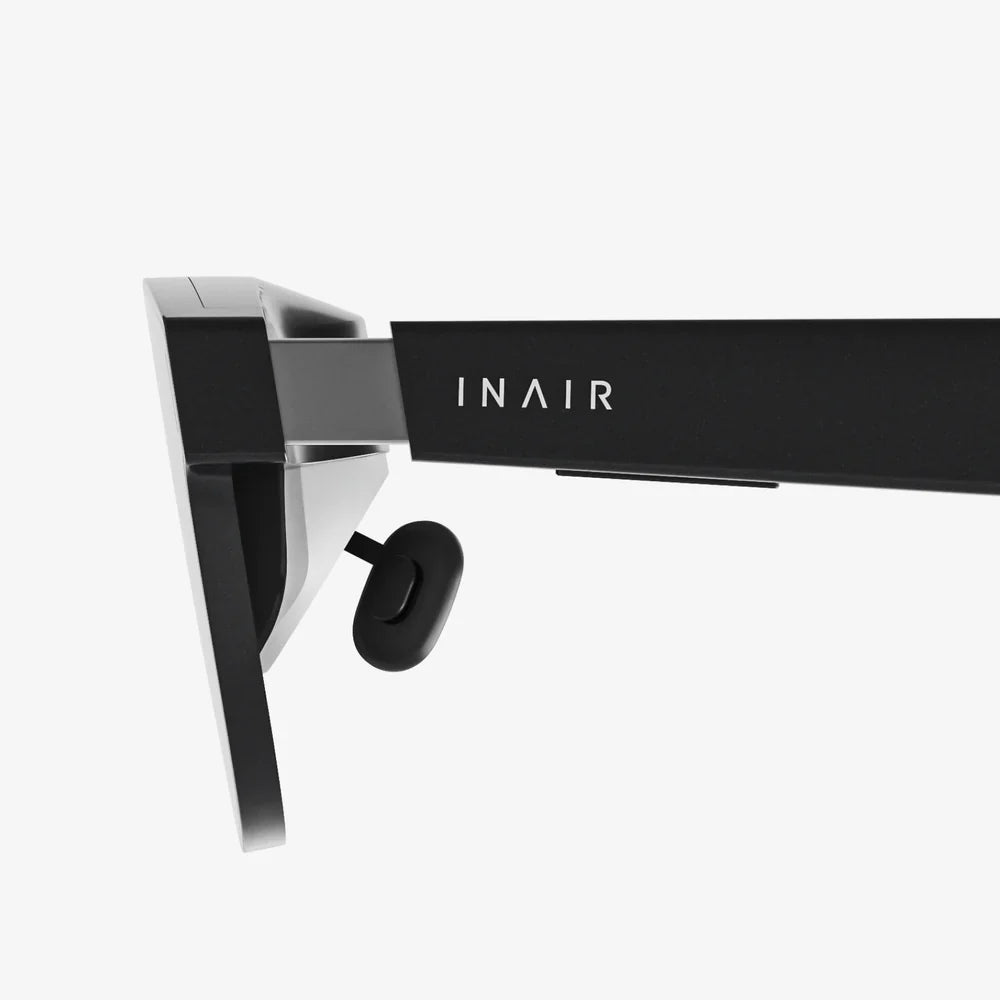
Imagine slipping on a single, elegant piece of technology and instantly stepping into any virtual world, playing any game, attending any meeting, or exploring any experience, all without a second thought about compatibility, wires, or exclusive ecosystems. This isn't a distant sci-fi fantasy; it's the tantalizing promise of the universal VR headset, a concept that is rapidly evolving from a user's dream into a tangible future for the entire industry. The current virtual reality landscape, while innovative, is a labyrinth of walled gardens and exclusive content, leaving consumers frustrated and the market fragmented. The universal VR headset emerges as a beacon of hope, a vision for a unified, accessible, and truly immersive digital frontier that belongs to everyone, not just a select few. This is the next great leap, and it's closer than you think.
The Fractured Reality: Why We Need Universality
To understand the revolutionary nature of a universal platform, one must first grapple with the frustrations of the present. Today's VR market is strikingly similar to the early days of gaming consoles, where titles were locked to specific hardware. A headset from one manufacturer often acts as a key to its own exclusive kingdom, with a curated store, proprietary software, and unique controllers. This creates significant friction for the average consumer. The fear of purchasing the "wrong" headset and missing out on coveted experiences is a major barrier to entry. It stifles creativity for developers, who must often choose which platform to support or face the costly and time-consuming process of porting their applications across different systems. This fragmentation hinders the growth of VR, preventing it from reaching its full potential as a ubiquitous computing platform. A universal standard would shatter these walls, creating a thriving, competitive ecosystem where the best experiences, not the most exclusive ones, rise to the top.
Pillars of Universality: What Truly Defines a Universal VR Headset?
The term "universal" extends far beyond simply playing any game. It encompasses a holistic approach to hardware, software, and connectivity, built upon several core pillars.
1. Cross-Platform Software and Storefront Compatibility
At its heart, a universal headset must be agnostic to software sources. Imagine an digital store that isn't owned by the headset manufacturer but operates as an open marketplace, much like the web itself. Applications purchased from this marketplace would run seamlessly on any certified universal device. This would require a robust, open API (Application Programming Interface) and SDK (Software Development Kit) that all developers can use, ensuring their creations work flawlessly across different hardware from various brands. This decouples software from hardware, empowering users with true choice and freedom.
2. Open Standards for Tracking and Input
One of the biggest technical hurdles is input. Different headsets use different controllers with unique button layouts, tracking rings, and haptic feedback systems. A universal standard would define a common input profile. This doesn't mean every controller must be identical; manufacturers could still innovate with ergonomics and additional features. However, a base-level compatibility would be mandated—a common set of buttons, joysticks, and tracking protocols that every game can rely on. This ensures that a developer can design a control scheme knowing that every universal headset user, regardless of their controller's brand, will have the necessary inputs to play.
3. Hardware Agnosticism and Scalability
Universality does not mean uniformity. The beauty of an open ecosystem is that it can cater to all tiers of the market. A universal platform could support everything from standalone mobile-grade headsets to powerful PC-connected devices and even future super-high-end systems. The software would automatically scale its fidelity based on the detected hardware, much like a PC game adjusts its settings for different graphics cards. This allows users to invest in the hardware that suits their budget and performance needs without being excluded from the software ecosystem.
4. Seamless Connectivity and Interoperability
A true universal device should connect effortlessly to a wide range of host systems—a gaming PC, a laptop, a games console, or even a smartphone—using a common, high-bandwidth protocol. The industry is already moving towards this with standards like USB4 and DisplayPort Alt Mode. Wireless connectivity would also be standardized, perhaps around a robust protocol like Wi-Fi 6E or future iterations, ensuring low-latency, high-fidelity experiences without proprietary dongles or dongles.
The Technical Hurdles: Navigating the Path to Standardization
The vision is clear, but the path is fraught with technical and commercial challenges. Achieving consensus on open standards is a monumental task, often involving consortiums of competing companies. Agreeing on a single tracking technology—inside-out vs. outside-in, camera-based vs. LiDAR—is complex. Different display technologies (LCD, OLED, MicroOLED) with varying resolutions, refresh rates, and field-of-view require a software layer that can intelligently adapt. Furthermore, creating a security model that protects developers' intellectual property while maintaining an open environment is crucial. These are not insignificant obstacles, but they are being actively addressed by industry groups and forward-thinking engineers who recognize that long-term growth depends on cooperation, not just competition.
Beyond Gaming: The Universal Headset as a Productivity and Social Tool
While gaming is the current driving force of VR, the implications of a universal standard extend far beyond entertainment. Imagine the impact on remote work. Instead of a company mandating a specific headset for virtual meetings, employees could use any certified universal device to join a collaborative workspace. Architects, engineers, and designers could share 3D models knowing that every stakeholder can view and interact with them, regardless of their hardware. In social spaces, the walls between platforms would crumble. Friends could meet up in a virtual world without first confirming they all own the same brand of headset. This interoperability is the key to making virtual interactions as natural and effortless as a phone call or a video chat is today, finally fulfilling the promise of the metaverse as a connected, persistent digital layer over our reality.
The Economic Ripple Effect: Developers, Consumers, and the Market
Adopting a universal standard would trigger a massive positive economic shift. For developers, the addressable market instantly expands from a single platform's user base to the entire VR community. This reduces risk and increases potential ROI, encouraging more investment and higher-quality content. For consumers, it means more choice, lower prices due to hardware competition, and the assurance that their software library is future-proofed and not tied to a single company's fortunes. For the market as a whole, it accelerates adoption by removing confusion and barriers, leading to a larger, more sustainable ecosystem for everyone involved. It shifts the competitive focus from locking users into an ecosystem to competing on the merits of hardware quality, comfort, performance, and price.
The Road Ahead: From Concept to Reality
The journey towards a universal VR headset is already underway. We see early signs in initiatives like OpenXR, a royalty-free open standard for VR and AR applications from The Khronos Group. OpenXR provides a common layer that allows developers to target a wide range of hardware without having to port their code, and it is already being adopted by major players in the industry. While not a complete solution, it represents a critical first step towards software universality. Consumer demand is also growing louder, as users become increasingly frustrated with exclusivity deals and closed ecosystems. As this demand grows and the technical foundations like OpenXR mature, it will create irresistible pressure on the industry to fully embrace open standards. The first company to successfully champion a truly open platform may not win a single generation's hardware race, but they could win the future of spatial computing.
The dream of a single device that serves as your passport to every corner of virtual reality is no longer just a dream—it's an inevitable evolution. The universal VR headset represents a future where the technology itself fades into the background, becoming an invisible window rather than a conspicuous gadget. It promises a world where the digital experiences we cherish are defined by their creativity and immersion, not by the logo on our foreheads. The walls are beginning to crack, and the light of a unified, boundless, and incredibly exciting virtual world is starting to shine through. Your next headset won't just be a purchase; it will be an investment in an entire open universe of possibilities.
Share:
Android XR Buy: Your Ultimate Guide to the Next Reality
What is Extended Reality with Example: A Deep Dive into the Blended Future